In Waterbury, CT, winter doesn’t just bring snow—it brings one of the most destructive forces a home can face: freeze–thaw cycles. Unlike storms or floods, freeze–thaw damage doesn’t happen overnight. It works slowly, quietly, and relentlessly, often going unnoticed until repairs become expensive and unavoidable.
At LCM Services LLC, we regularly uncover damage caused not by one harsh winter—but by years of repeated freezing and thawing. This type of damage rarely announces itself. Instead, it hides behind walls, beneath surfaces, and inside materials that look perfectly fine—until they fail.
This guide explains how freeze–thaw cycles damage homes over time, why Waterbury homes are especially vulnerable, and what homeowners can do to protect their investment.
What Is a Freeze–Thaw Cycle?
A freeze–thaw cycle occurs when:
- Moisture enters a material
- Temperatures drop below freezing
- Water expands as it freezes
- Temperatures rise and the ice melts
This process repeats dozens—sometimes hundreds—of times each year in Connecticut.
💡 Key Fact: Water expands by about 9% when frozen, creating immense internal pressure.
Why Waterbury Homes Are Especially at Risk
Waterbury’s climate creates ideal conditions for freeze–thaw damage.
Local Risk Factors:
✔️ Frequent temperature swings around 32°F
✔️ Older masonry and foundations
✔️ Aging roofing and siding materials
✔️ Moisture-prone basements
✔️ Snow accumulation followed by melting
Many Waterbury homes were built before modern moisture barriers and insulation standards—making them more vulnerable to repeated expansion and contraction.
How Freeze–Thaw Cycles Attack Building Materials
Freeze–thaw damage isn’t dramatic—it’s cumulative.
What Happens Inside Materials:
- Water enters pores, cracks, and seams
- Freezing expands the trapped moisture
- Materials stretch and weaken
- Thawing leaves slightly larger openings
- More water enters the next cycle
Over time, this leads to progressive structural breakdown.
1. Masonry & Brick Damage
Brick and concrete are porous—even when they look solid.
Common Freeze–Thaw Effects:
- Spalling (brick faces flaking off)
- Mortar deterioration
- Hairline cracks expanding
- Loose or shifting masonry
| Masonry Issue | Freeze–Thaw Cause |
| Cracked brick | Moisture expansion |
| Crumbling mortar | Repeated stress |
| Wall bowing | Structural weakening |
🧠 Once masonry begins to fail, water penetration accelerates rapidly.
2. Foundation Stress & Cracking
Foundations are under constant pressure—but freeze–thaw cycles intensify it.
How Damage Occurs:
- Moist soil freezes and expands
- Pressure pushes against foundation walls
- Small cracks widen over time
- Meltwater seeps deeper into cracks
Even “minor” foundation cracks can become entry points for ongoing moisture intrusion.
⚠️ LCM Services LLC Insight: Many foundation leaks in Waterbury only appear after winter—not during it.
3. Roof Damage You Don’t See Right Away
Roofs suffer heavily from freeze–thaw cycles, especially in older homes.
Common Roof Issues:
- Shingles lifting and cracking
- Ice dam formation
- Flashing separation
- Hidden underlayment damage
When snow melts during the day and refreezes at night, water backs up under shingles—leading to leaks that may not show up until months later.
4. Siding, Trim & Exterior Surfaces
Exterior materials expand and contract with temperature changes.
Freeze–Thaw Effects on Exteriors:
- Warped siding panels
- Open seams at joints
- Cracked caulking
- Rotting wood trim
These gaps allow even more moisture to enter, compounding the problem.
5. Window & Door Vulnerabilities
Windows and doors are natural weak points.
What Freeze–Thaw Does:
- Breaks down seals
- Warps frames
- Creates air and water leaks
- Increases condensation
Once seals fail, moisture enters wall cavities—often unnoticed.
6. Interior Damage That Starts Outside
Many homeowners don’t realize interior issues often start outdoors.
Interior Warning Signs:
- Peeling paint
- Bubbling drywall
- Musty odors
- Cold spots near walls
These are often symptoms of freeze–thaw damage that began outside months earlier.
Why Freeze–Thaw Damage Is So Easy to Miss
Freeze–thaw damage:
✔️ Progresses slowly
✔️ Hides behind finishes
✔️ Mimics normal aging
✔️ Doesn’t always leak immediately
By the time visible damage appears, the underlying issue may already be advanced.
DIY Fixes vs Long-Term Solutions
Temporary fixes often fail under freeze–thaw conditions.
Common Short-Term Fixes:
- Re-caulking cracks
- Painting over damage
- Patching masonry
| Fix Type | Longevity |
| Cosmetic patch | Short |
| Temporary seal | Limited |
| Structural repair | Long-term |
At LCM Services LLC, we focus on addressing root causes, not just symptoms.
How Freeze–Thaw Damage Impacts Home Value
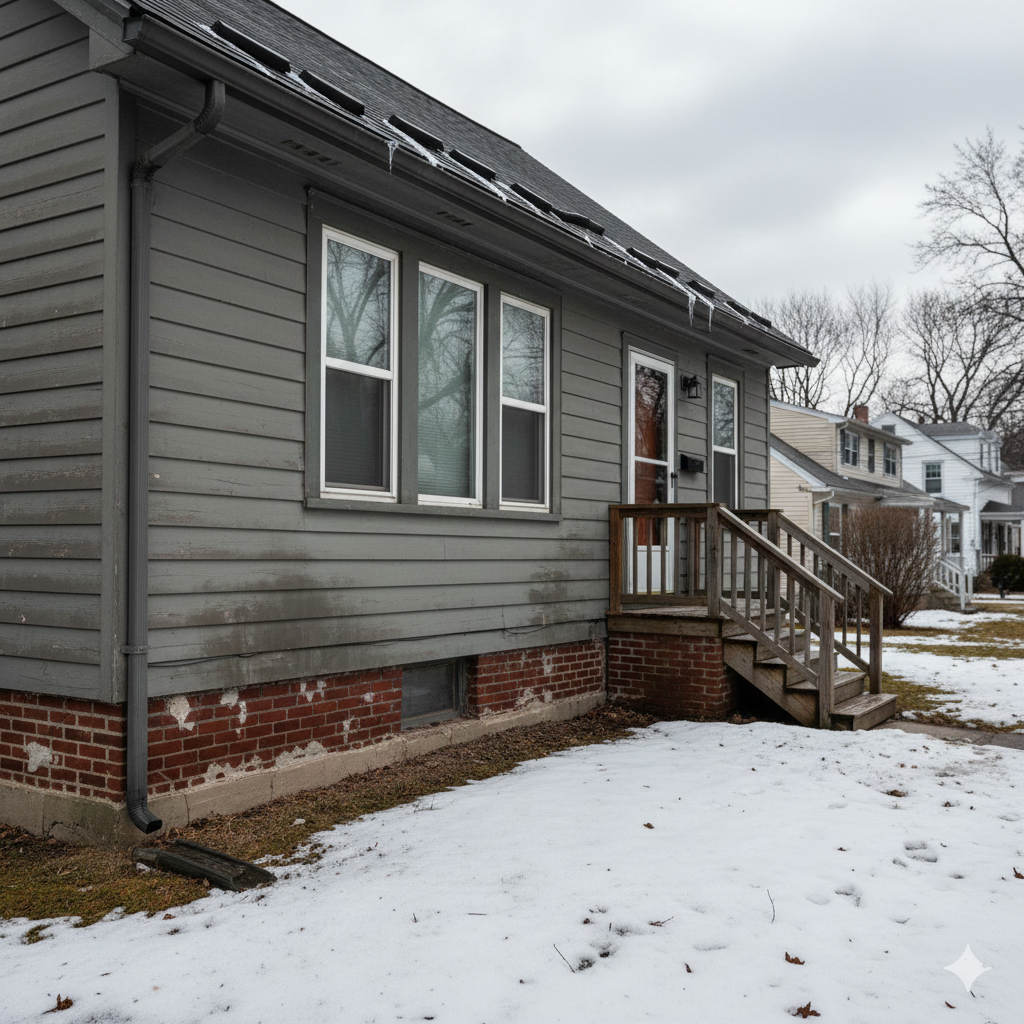
Damage from freeze–thaw cycles affects:
- Home inspections
- Appraisals
- Buyer confidence
- Insurance claims
Homes with visible cracking, moisture issues, or deferred maintenance often see reduced value and delayed sales.
The Cost of Ignoring Freeze–Thaw Damage
| Stage | Cost Impact |
| Early intervention | Low |
| Moderate repairs | Medium |
| Structural repairs | High |
| Water damage restoration | Very High |
📉 Preventive repairs are almost always cheaper than reactive ones.
Why Professional Inspections Matter
Freeze–thaw damage often requires trained eyes to detect.
At LCM Services LLC, we inspect:
✔️ Masonry joints
✔️ Foundations
✔️ Roof transitions
✔️ Window and door seals
✔️ Moisture pathways
This allows homeowners to fix issues before winter makes them worse.
How LCM Services LLC Helps Protect Waterbury Homes
We understand how Waterbury homes age—and how winter accelerates damage.
Our approach:
✔️ Preventive assessments
✔️ Honest recommendations
✔️ Durable repair solutions
✔️ Long-term protection strategies
We don’t just fix what’s broken—we help prevent what’s coming.
What Homeowners Can Do Now
✔️ Inspect masonry annually
✔️ Seal foundation cracks early
✔️ Address roof and flashing issues
✔️ Replace failing window seals
✔️ Improve drainage around the home
Preparation today prevents damage tomorrow.
Final Thoughts
Freeze–thaw cycles don’t break homes all at once—they wear them down quietly. Understanding this process is the first step toward protecting your home, your comfort, and your long-term investment.
FAQs
Yes—especially over many years in climates like Waterbury’s.
Yes. Aging materials and outdated construction increase risk.
No. Winter expansion makes small cracks worse quickly.
Often only if damage is sudden—not from neglect.
A trusted local professional like LCM Services LLC.