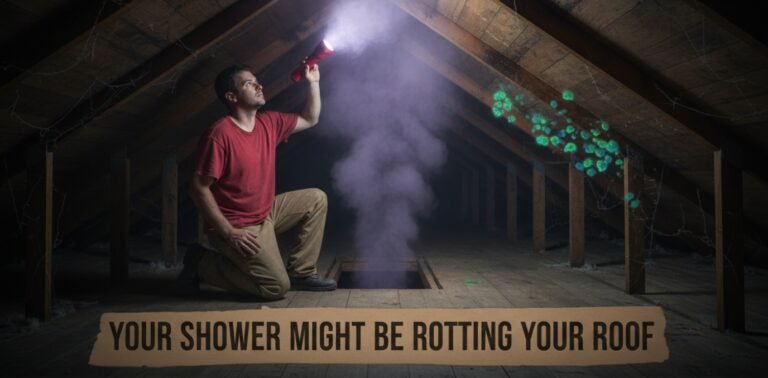

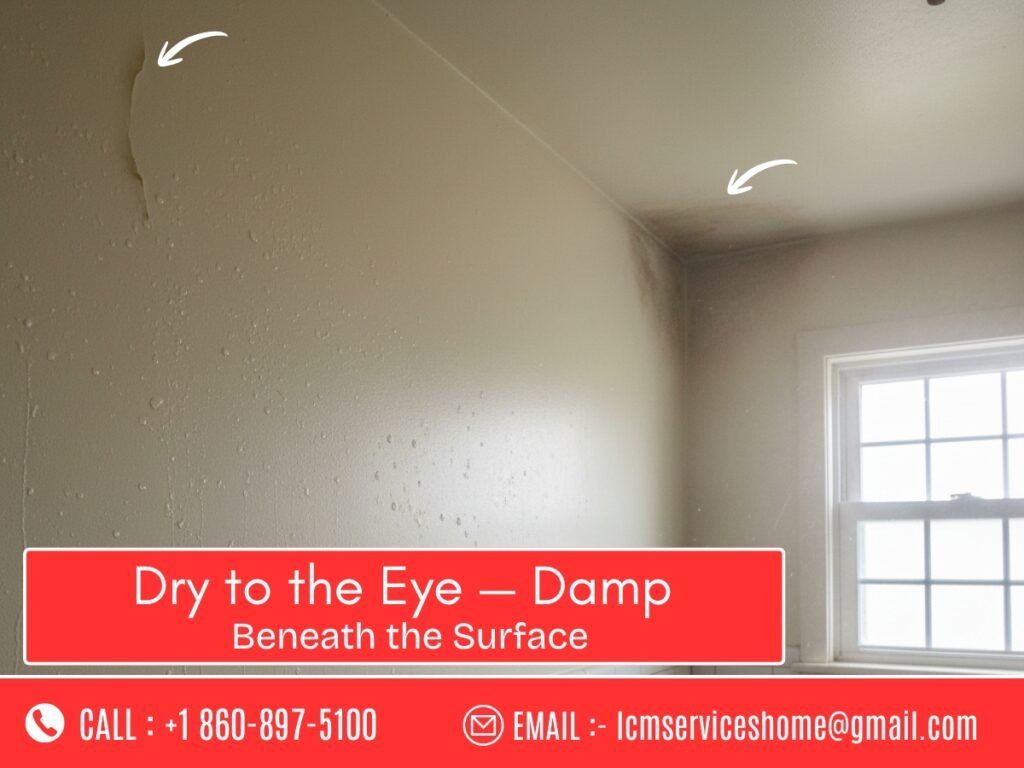
Many Waterbury homeowners assume that once the mirror clears and the fan turns off, the bathroom is dry.
But in reality, moisture often remains inside the walls long after the shower ends.
At LCM Services LLC, we regularly inspect homes where:
- Paint keeps peeling
- Bathrooms smell musty
- Walls feel cool or clammy
- Mold keeps returning despite cleaning
The common thread? Persistent moisture trapped in bathroom walls, not just surface condensation.
This blog explains why this happens so often in Waterbury homes, how moisture behaves after showers, what signs to watch for, and what homeowners can do to stop long-term damage.
What “Damp Walls” Really Means
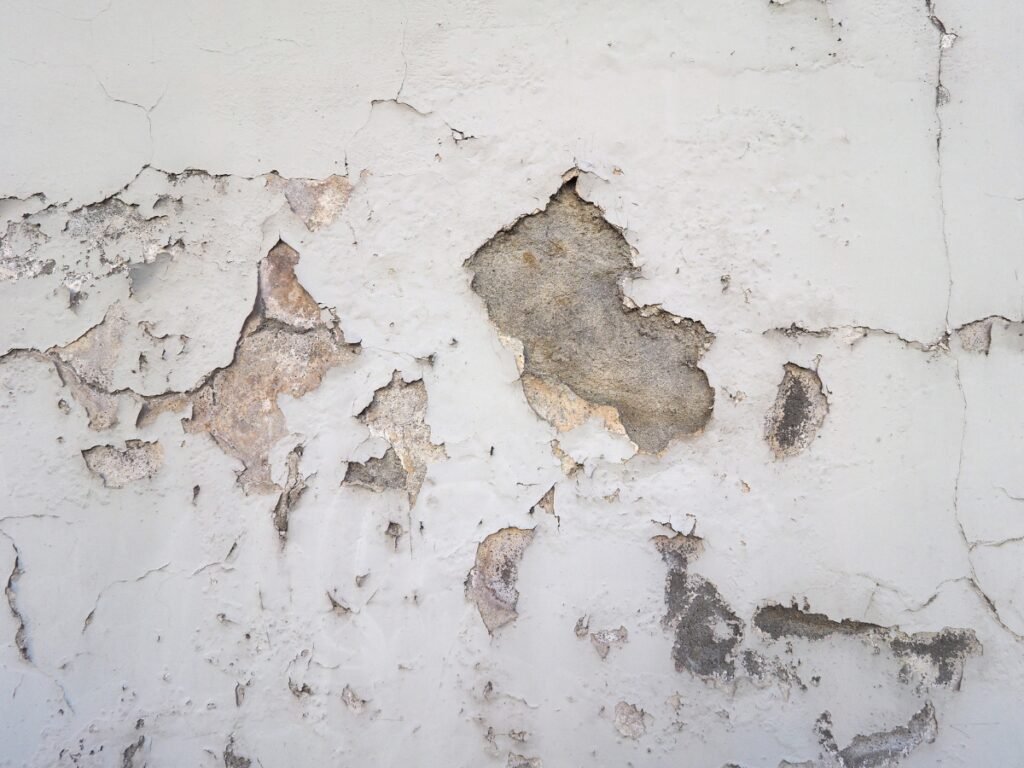
Damp bathroom walls don’t always look wet.
Instead, they may:
- Feel cool to the touch
- Stay dark or blotchy
- Dry unevenly
- Absorb moisture repeatedly
🧠 Dampness often exists inside the wall layers, not on the surface.
Why This Problem Is So Common in Waterbury Homes
Waterbury has a unique mix of conditions that encourage lingering moisture:
- Older housing stock
- Cold winters and humid summers
- Seasonal temperature swings
- Bathrooms built without modern ventilation
- Exterior walls exposed to shade
Homes along Atwood Ave, Town Plot, East End, and Oakville frequently show this issue.
How Moisture Forms During a Shower
Let’s break it down step by step:
- Hot water produces steam
- Steam rises and spreads
- Warm moisture hits cooler wall surfaces
- Condensation forms
- Moisture absorbs into paint, drywall, grout, or plaster
If moisture isn’t removed quickly, it moves deeper into the wall.
Why Bathroom Fans Often Don’t Fix the Problem
1. Undersized Exhaust Fans
Many older Waterbury homes still use:
- Low-capacity fans
- Fans not rated for modern showers
They remove odors—but not moisture.
2. Poor Fan Placement
Fans installed:
- Too far from the shower
- Over toilets instead of tubs
leave steam trapped near walls.
3. Venting Into Attics or Walls
Shockingly common in older homes:
- Fans vent into attics
- Or stop inside wall cavities
This moves moisture, not removes it.
Cold Exterior Walls Make Moisture Worse
Bathrooms located on:
- Exterior walls
- North-facing sides
- Shaded sides of the home
stay cooler longer.
When warm steam meets cold surfaces:
- Condensation increases
- Drying slows dramatically
This is why one bathroom dries faster than another in the same house.
Older Wall Materials Absorb Moisture
Many Waterbury homes were built with:
- Plaster walls
- Old drywall without moisture resistance
- Oil-based paints
- Porous grout and tile backing
These materials absorb and hold moisture, unlike modern systems.
Why Paint Peels Even With “Bathroom Paint”
Bathroom paint helps—but it’s not magic.
If moisture:
- Comes from behind the paint
- Gets trapped in drywall
- Enters through seams
Paint will fail regardless of quality.
Hidden Places Moisture Collects
Bathroom moisture often hides in:
- Corners behind vanities
- Wall cavities near tubs
- Ceiling-to-wall joints
- Behind tile surrounds
- Shared walls with bedrooms
This explains why damage sometimes appears outside the bathroom.
How Long Damp Walls Take to Dry (If Ever)
In ideal conditions, walls dry within hours.
In Waterbury homes with:
- Poor airflow
- Cold walls
- High humidity
Moisture may linger 24–72 hours or longer.
Repeated daily showers mean walls never fully dry.
Real Local Example
A homeowner near Town Plot complained about recurring bathroom mold.
Inspection showed:
- Fan vented into wall cavity
- Exterior wall behind shower
- Plaster absorbing moisture
The issue wasn’t cleaning—it was trapped moisture.
How Damp Bathroom Walls Affect the Rest of the Home
Bathroom moisture doesn’t stay contained.
It can:
- Travel through wall cavities
- Affect adjacent rooms
- Cause odors in hallways
- Increase whole-house humidity
This is why moisture problems often feel “mysterious.”
Common Homeowner Mistakes
❌ Running the fan only during showers
❌ Turning fans off too early
❌ Painting over moisture damage
❌ Ignoring cold wall surfaces
❌ Assuming mold means “dirty”
These actions mask symptoms instead of solving causes.
Health & Structural Risks of Damp Walls
Persistent dampness can lead to:
- Mold growth
- Wood rot
- Paint failure
- Insulation damage
- Poor indoor air quality
⚠️ Moisture problems worsen quietly over time.
How Professionals Diagnose Moisture Issues
At LCM Services LLC, proper diagnosis includes:
- Checking ventilation paths
- Measuring wall moisture
- Inspecting exterior wall exposure
- Evaluating insulation
- Identifying airflow restrictions
Surface fixes alone never work long-term.
Prevention Tips for Waterbury Homeowners
✔ Improve Moisture Removal
- Run fans 20–30 minutes after showers
- Upgrade to higher CFM exhaust fans
- Ensure fans vent outdoors
✔ Reduce Wall Absorption
- Use moisture-resistant drywall
- Seal grout and tile
- Repair failing caulk
- Address exterior wall leaks
✔ Improve Airflow
- Leave doors open after showers
- Use ceiling circulation
- Balance whole-home humidity
Cost Considerations (What Homeowners Should Expect)
| Fix Type | Cost Impact |
| Fan upgrade | Low–Moderate |
| Vent correction | Moderate |
| Wall repair | Moderate–High |
| Mold remediation | High |
| Structural repair | Very High |
Early action saves money.
When to Call a Professional in Waterbury, CT
Call a professional if:
- Walls stay damp overnight
- Mold keeps returning
- Paint peels repeatedly
- Bathrooms smell musty
- Adjacent rooms feel humid
These indicate hidden moisture issues.
Why Choose LCM Services LLC in Waterbury, CT
At LCM Services LLC, we understand how Waterbury’s climate, home styles, and construction methods affect moisture behavior.
What Sets Us Apart
✔ Local experience
✔ Whole-home moisture insight
✔ Ventilation & exterior solutions
✔ Honest assessments
✔ Long-term fixes
We don’t guess—we investigate.
Areas We Serve
We proudly serve:
- Waterbury
- Atwood Ave
- Town Plot
- East End
- Oakville
- Nearby Connecticut communities
Each neighborhood presents unique moisture challenges.
Final Thoughts
If your bathroom walls never seem to dry, don’t ignore it.
👉 Contact LCM Services LLC for a professional moisture evaluation in Waterbury, CT.
Solving damp walls early protects your health, comfort, and home value.
FAQs
Because moisture becomes trapped inside wall materials.
Yes, especially in older homes with poor ventilation.
No, moisture must be removed at the source.
Not if undersized or vented incorrectly.
Yes, moisture travels through walls.