
From the ground, the roof looks perfectly fine.
No missing shingles. No obvious sagging. No water dripping from the ceiling. To most homeowners, that means one thing: no problem.
But experienced professionals know a very different truth.
Some of the most expensive roof repairs begin on roofs that appear completely normal.
At LCM Services LLC, some of the most serious roof damage we uncover comes from homes where the owner was confident everything was “in good shape.” The roof looked intact. The house felt dry. Yet underneath the surface, damage had been quietly building for years.
This blog explains why roofs that look fine often need the most repairs, what homeowners commonly miss, how hidden damage develops, and why waiting for visible signs usually means paying more later.
The Dangerous Assumption: “No Visible Damage Means No Problem”
Most homeowners rely on visual cues:
- Missing shingles
- Interior leaks
- Obvious stains
- Structural sagging
The issue is that roofs are systems, not surfaces.
A roof can appear intact while:
- Water is entering beneath shingles
- Flashing has failed
- Insulation is saturated
- Decking is slowly rotting
By the time visible signs appear, the damage is no longer minor.
Roofs Are Designed to Hide Problems—At First
Roofing systems are built with layers:
- Shingles or roofing material
- Underlayment
- Flashing
- Decking
- Insulation and framing
These layers are meant to manage water, not immediately reveal failure. When something goes wrong, the system absorbs the problem before it shows itself.
That delay creates a false sense of security.
Why Older Roofs Are Especially Deceptive
Many Connecticut homes have roofs that are:
- Near the end of their lifespan
- Installed under older building standards
- Exposed to decades of freeze–thaw cycles
Older materials don’t fail dramatically — they degrade quietly.
Common hidden issues include:
- Brittle underlayment
- Nail fatigue
- Sealant breakdown
- Flashing corrosion
None of these are visible from the driveway.
Flashing: The Most Overlooked Roof Failure Point
Flashing protects the most vulnerable areas of a roof:
- Chimneys
- Skylights
- Roof valleys
- Plumbing vents
- Roof-to-wall connections
When flashing fails:
- Water enters behind roofing materials
- Damage spreads beneath the surface
- Leaks appear far from the source
From the outside, flashing can look “fine” while sealant underneath has already failed.
Professionals at LCM Services LLC frequently find flashing issues long before homeowners notice any interior damage.
Why Roof Leaks Rarely Appear Where Damage Starts
Water does not drip straight down.
Instead, it:
- Travels along rafters
- Follows decking seams
- Spreads through insulation
- Appears far from the entry point
This is why:
- Ceiling stains show up in random rooms
- Walls bubble without nearby roof damage
- Leaks appear months after storms
A roof can be compromised for a long time before the home gives a visible warning.
The Attic Tells a Different Story
If roofs had voices, the attic would be where they whisper the truth.
During professional inspections, attics often reveal:
- Darkened roof decking
- Damp or compressed insulation
- Moisture trails along framing
- Elevated humidity
- Early mold growth
Yet homeowners rarely enter attics — and even when they do, subtle signs are easy to miss.
Storms Don’t Always Cause Damage—They Reveal It 🌧️
Many homeowners believe:
“The roof was fine until that storm.”
In reality:
- The storm didn’t create the problem
- It exposed an existing weakness
High winds lift shingles just enough to break seals. Heavy rain pushes water into tiny openings. Freeze–thaw cycles expand cracks that were already there.
Roofs that “look fine” often fail during storms because they were already compromised.
Why DIY Visual Checks Give False Confidence
Looking at a roof from the ground or ladder has limits.
DIY checks often miss:
- Subsurface moisture
- Loose fasteners
- Underlayment deterioration
- Sealant failure
- Decking softness
Professional inspections focus on systems, not appearances.
Small Problems That Lead to Big Repairs
Here’s how minor issues escalate:
| Early Issue | What Happens Next | Final Outcome |
| Loose flashing | Water intrusion | Wood rot |
| Nail pops | Moisture entry | Deck damage |
| Minor leak | Insulation saturation | Mold |
| Seal failure | Hidden decay | Structural repair |
Roofs rarely fail suddenly — they fail gradually.
Why Ceiling Stains Are a Late Warning
When homeowners finally see:
- Brown ceiling spots
- Peeling paint
- Bubbling drywall
The damage has already:
- Passed through insulation
- Weakened framing
- Increased repair scope
At that point, repairs cost significantly more than early intervention.
Energy Loss: The Hidden Cost of “Fine” Roofs
Roofs that appear intact can still cause:
- Heat loss in winter
- Cooling loss in summer
- Rising energy bills
- HVAC strain
Moist insulation and air leaks reduce energy efficiency long before leaks become visible.
This is one reason homeowners often complain about high bills even when nothing looks wrong.
Why Patch Repairs Often Fail
Quick fixes may hide symptoms but don’t stop damage.
Common mistakes include:
- Sealing visible cracks only
- Replacing a few shingles
- Painting over stains
- Ignoring attic conditions
Without addressing the underlying issue, repairs become temporary — and repeated.
What Professional Roof Inspections Actually Look For
At LCM Services LLC, roof inspections evaluate:
- Surface condition
- Flashing integrity
- Fasteners and seals
- Attic moisture
- Decking condition
- Drainage performance
This comprehensive approach identifies future problems, not just current leaks.
The Cost Difference: Early vs Late Repairs
| Timing | Typical Repair | Cost Impact |
| Early inspection | Minor repair | Low |
| Delayed action | Interior damage | Medium |
| Ignored issues | Structural repair | High |
| Long-term neglect | Full replacement | Very High |
Most major roof repairs could have been smaller — if caught sooner.
Why “Looks Fine” Is Not a Roofing Standard
Roofs aren’t designed to show failure early.
They’re designed to:
- Protect the home
- Manage water
- Hide complexity
That’s why visual appearance is one of the least reliable indicators of roof health.
Protecting Your Home Means Looking Deeper
A roof’s job is to protect everything underneath it.
When hidden damage goes unnoticed:
- Walls suffer
- Insulation fails
- Structural components weaken
- Home value drops
Prevention is always less disruptive — and less expensive — than restoration.
Why Homeowners Trust LCM Services LLC
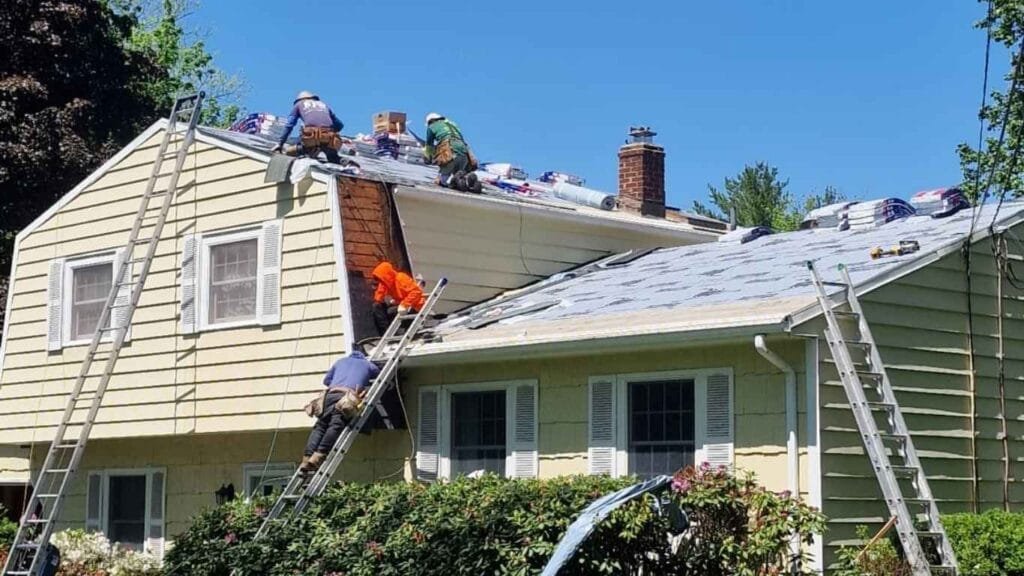
LCM Services LLC understands how Connecticut roofs age, how storms expose weaknesses, and how hidden damage develops over time.
Our inspections focus on long-term protection, not short-term fixes.
Final Thoughts
If there’s one takeaway, it’s this:
Roofs that look fine often need attention the most — because their problems stay hidden the longest.
Waiting for visible damage means waiting until repairs are bigger, costlier, and more disruptive than necessary.
Professional insight turns uncertainty into clarity — and small problems into manageable solutions.
FAQs
Yes. Most roof damage develops beneath the surface before becoming visible.
At least once a year and after major storms.
Yes. Attics often reveal roof issues long before ceilings do.
Absolutely. Minor leaks can cause major structural damage over time.
At the first sign of recurring issues, moisture, or rising energy bills.