
The first major storm of the season has a way of revealing uncomfortable truths about a home. Rain pounds the roof, wind rattles siding, gutters overflow, and suddenly that “small issue” you meant to fix last year doesn’t feel so small anymore.
At LCM Services LLC, we often hear the same sentence after a heavy storm:
“I wish we had taken care of this sooner.”
This article breaks down the home repairs homeowners most regret skipping after the first storm, why those issues escalate so quickly, and how proactive maintenance can prevent thousands of dollars in damage—especially in older Connecticut homes.
Why the First Storm Is a Wake-Up Call
Storms don’t usually create problems.
They expose weaknesses that were already there.
Wind, driving rain, and rapid pressure changes act like stress tests for your home’s systems. Anything that’s aging, improperly sealed, or poorly maintained gets pushed to its limit.
⚠️ What makes the first storm dangerous:
- Problems surface all at once
- Damage spreads before it’s visible
- Repairs become reactive instead of preventive
1. Roof Repairs That “Could Wait” (Until They Can’t)
The Skipped Repair
A missing shingle, loose flashing, or aging roof section that didn’t seem urgent.
What the Storm Reveals
Water rarely enters straight down. Wind-driven rain forces moisture:
- Under shingles
- Around flashing
- Into nail penetrations
By the time a stain appears on a ceiling, the damage has already traveled.
🛠️ What LCM Services LLC Often Finds
- Wet roof decking
- Saturated insulation
- Mold beginning to form
- Leaks far from the original failure point
💸 Regret Factor:
Small roof repairs skipped before a storm often turn into full roof sections needing replacement.
2. Gutters and Downspouts No One Thought About
The Skipped Repair
Clogged, sagging, or improperly pitched gutters.
What the Storm Reveals
When gutters fail, water spills where it shouldn’t:
- Against foundations
- Behind siding
- Into basements and crawlspaces
🌧️ Overflow during heavy rain accelerates:
- Foundation erosion
- Basement moisture
- Siding rot
Storm Lesson:
Gutters aren’t accessories—they’re part of your home’s drainage system.
3. Siding and Exterior Gaps That Look “Minor”
The Skipped Repair
Cracked siding, loose panels, or small gaps around trim.
What the Storm Reveals
Wind-driven rain finds every opening.
Water entering behind siding doesn’t always show immediately. Instead, it:
- Soaks sheathing
- Weakens framing
- Creates long-term moisture pockets
🔍 At LCM Services LLC, we often open walls weeks later to find damage homeowners never connected to the storm.
4. Windows and Doors That Were “Still Working”
The Skipped Repair
Drafty windows or doors that still open and close.
What the Storm Reveals
Storm pressure pushes water and air through:
- Failed seals
- Deteriorated flashing
- Old caulking
🪟 Hidden Consequences
- Interior wall moisture
- Trim rot
- Energy loss
What feels like a comfort issue becomes a structural one after severe weather.
5. Attic Inspections That Never Happened
The Skipped Repair
No one looked in the attic before storm season.
What the Storm Reveals
The attic is where roof failures quietly show up first.
Common post-storm discoveries:
- Wet insulation
- Dark moisture stains
- Mold beginning to grow
- Poor ventilation trapping humidity
📌 Key Insight:
Most roof damage is first visible from inside the attic, not outside.
6. Basement and Foundation Warning Signs Ignored
The Skipped Repair
Minor cracks, damp smells, or occasional moisture.
What the Storm Reveals
Heavy rain puts pressure on foundations. Water exploits:
- Hairline cracks
- Failed seals
- Poor drainage
🚨 Result:
- Standing water
- Mold growth
- Long-term structural weakening
Once basements flood, repairs become complex and expensive.
7. Exterior Caulking and Sealing That “Looked Fine”
The Skipped Repair
Old caulking around penetrations, vents, and trim.
What the Storm Reveals
Caulking fails silently over time. Storms expose:
- Shrinkage
- Cracks
- Separation
Water entering at these points often travels unseen inside walls.
💡 Small sealing jobs are among the highest ROI repairs—yet often the most neglected.
8. Drainage and Grading Issues No One Addressed
The Skipped Repair
Soil sloping toward the house or poor yard drainage.
What the Storm Reveals
Water follows gravity. Poor grading sends it straight to:
- Foundations
- Basement walls
- Crawlspaces
🌊 Storm runoff can overwhelm even a solid foundation if drainage isn’t corrected.
Why Storm Damage Feels So Sudden
Homeowners often say:
“This happened overnight.”
But in reality, the storm simply accelerated existing issues.
Storms Speed Up:
- Moisture migration
- Structural weakening
- Mold growth
- Material failure
Skipping repairs turns time into your enemy.
The Real Cost of Waiting Until After the Storm
Here’s what delayed repairs usually lead to:
| Skipped Repair | After-Storm Reality |
| Roof patch | Decking replacement |
| Gutter cleaning | Foundation moisture |
| Window sealing | Interior wall damage |
| Siding repair | Framing rot |
| Attic inspection | Mold remediation |
💸 Preventive maintenance is always cheaper than emergency repair.
Why Older Homes Are Hit Harder
Connecticut’s older homes face unique risks:
- Aging materials
- Previous DIY fixes
- Outdated flashing methods
- Years of layered repairs
Storms exploit every weak link.
That’s why proactive inspections are critical—especially before storm season.
How LCM Services LLC Helps Homeowners Stay Ahead
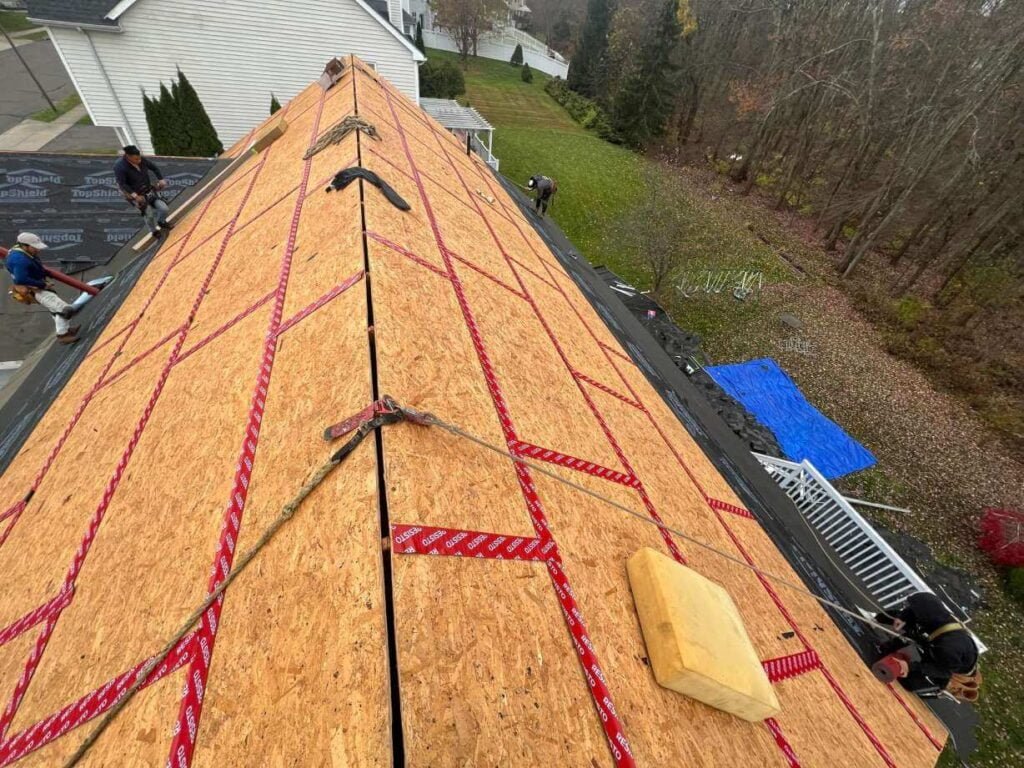
At LCM Services LLC, we focus on pre-storm prevention, not post-storm panic.
Our approach:
✔ Identify hidden vulnerabilities
✔ Inspect roof, attic, and exterior systems
✔ Address moisture pathways early
✔ Prioritize repairs by risk—not appearance
We help homeowners fix the problems they’ll regret skipping before the storm hits.
Smart Repairs to Handle Before the Next Storm
✅ Roof and flashing inspection
✅ Gutter and drainage evaluation
✅ Siding and trim sealing
✅ Attic moisture check
✅ Foundation and grading review
These steps don’t just protect your home—they protect your budget.
Final Thoughts
Storms don’t care how new your roof looks or how small a crack seems. They reveal truth fast—and without mercy.
The repairs homeowners regret most aren’t the expensive ones.
They’re the small, preventable fixes that were postponed too long.
If you want peace of mind when the next storm rolls in, preparation—not reaction—is the smartest investment you can make.
LCM Services LLC helps homeowners protect what matters most by addressing problems before weather turns them into regrets
Roof inspections, gutter cleaning, sealing exterior gaps, attic checks, and drainage improvements should be completed before storms arrive.
Storms expose hidden weaknesses like aging seals, loose flashing, and moisture pathways that aren’t visible during normal weather.
Yes. Older homes often have aging materials and outdated construction methods that storms exploit more easily.
Absolutely. Small issues often allow water intrusion that spreads and escalates into costly structural repairs.
LCM Services LLC identifies hidden vulnerabilities through professional inspections and prioritizes repairs before storms cause damage.