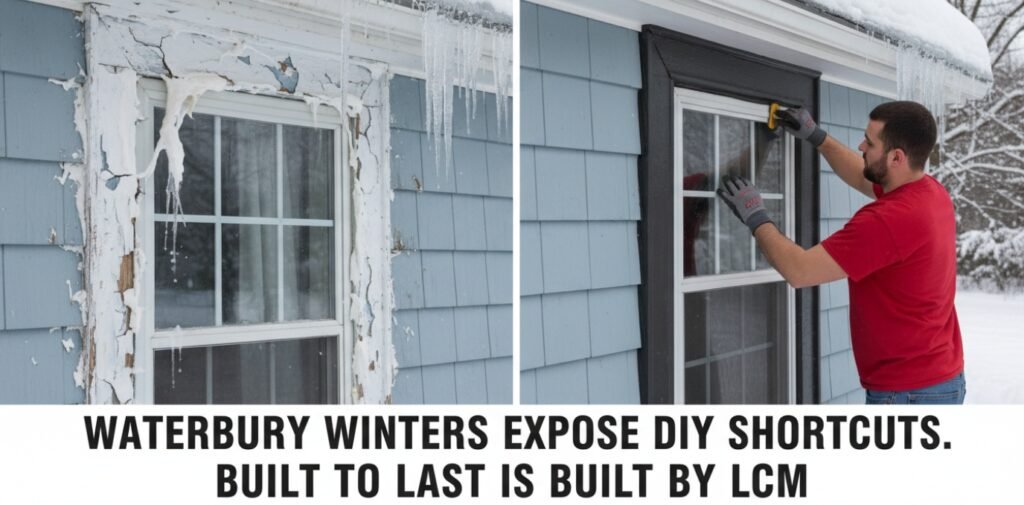
In Waterbury, CT, many homeowners take pride in tackling home projects themselves. A weekend remodel, a quick repair, or a budget-friendly upgrade can feel empowering and cost-effective. And sometimes, DIY truly works.
But at LCM Services LLC, we’ve seen a consistent pattern across homes of all ages and neighborhoods:
DIY projects tend to age faster than professional work — especially in Waterbury’s climate and housing stock.
This isn’t about skill or effort. It’s about systems, materials, environment, and long-term performance. This blog explains why DIY work often breaks down sooner, how local conditions accelerate failure, and what separates lasting craftsmanship from short-term fixes.
The Difference Between “Finished” and “Built to Last”
Most DIY projects aim to solve a visible problem:
- Cover a stain
- Replace a surface
- Patch a leak
- Update a room’s look
Professional work, on the other hand, focuses on systems:
- Moisture control
- Structural compatibility
- Load paths
- Ventilation
- Material behavior over time
DIY projects often succeed cosmetically — but fail structurally or environmentally.
Why Waterbury Homes Are Especially Tough on DIY Work
Waterbury homes face challenges that don’t always exist in newer or warmer regions.
Local Factors That Accelerate Wear
✔️ Freeze–thaw cycles
✔️ High seasonal moisture
✔️ Older construction methods
✔️ Layered renovations over decades
✔️ Settling foundations
DIY methods that work elsewhere often don’t age well here.
Freeze–Thaw Cycles: The Silent Destroyer
Water enters tiny gaps. Then winter arrives.
- Water freezes and expands
- Materials shift and separate
- Sealants crack
- Fasteners loosen
Professional work accounts for this movement. DIY work often doesn’t.
This is why:
- DIY caulking fails early
- Improper flashing leaks
- Rigid materials crack
Time, temperature, and moisture expose shortcuts quickly.
Where DIY Projects Most Commonly Fail
At LCM Services LLC, we see recurring problem areas.
🚿 Bathrooms
- Inadequate waterproofing
- Incorrect tile backer installation
- Poor ventilation planning
- Surface-level sealing only
🪟 Windows & Doors
- Improper flashing
- Over-reliance on caulk
- No drainage path
- Misaligned framing
Roof & Exterior Repairs
- Patch repairs without system evaluation
- Trapped moisture
- Incompatible materials
Interior Repairs
- Drywall covering moisture problems
- Structural issues left unaddressed
- Hidden mold growth
Why DIY Materials Don’t Perform the Same Way
Big-box materials are designed to be accessible — not always durable.
Professionals:
✔️ Select materials based on exposure
✔️ Understand compatibility
✔️ Follow manufacturer specs
✔️ Install for longevity
DIYers often:
❌ Mix incompatible products
❌ Skip prep stages
❌ Use general-purpose materials
❌ Install based on appearance
Materials fail faster when used outside their design limits.
The Hidden Cost of Skipping Preparation
Preparation isn’t exciting — but it’s everything.
DIY projects often skip:
- Moisture testing
- Structural evaluation
- Surface conditioning
- Load assessment
Professionals spend more time preparing than installing. That’s why their work lasts.
Moisture: The Biggest DIY Enemy
Moisture is responsible for most early failures.
DIY projects frequently:
- Seal moisture in instead of redirecting it
- Ignore vapor movement
- Trap condensation
- Hide leaks instead of stopping them
Once moisture is trapped, deterioration accelerates behind finished surfaces.
How DIY Work Ages Over Time
| Timeframe | DIY Project | Professional Work |
| 1 Year | Looks fine | Looks fine |
| 3 Years | Small failures appear | Stable |
| 5 Years | Repairs needed | Still performing |
| 10 Years | Replacement likely | Maintenance only |
This is why DIY often becomes more expensive long-term.
Older Homes Make DIY Riskier
Waterbury has many older homes with:
- Non-standard framing
- Outdated materials
- Hidden past repairs
- Uneven surfaces
DIY assumptions based on modern construction often don’t apply.
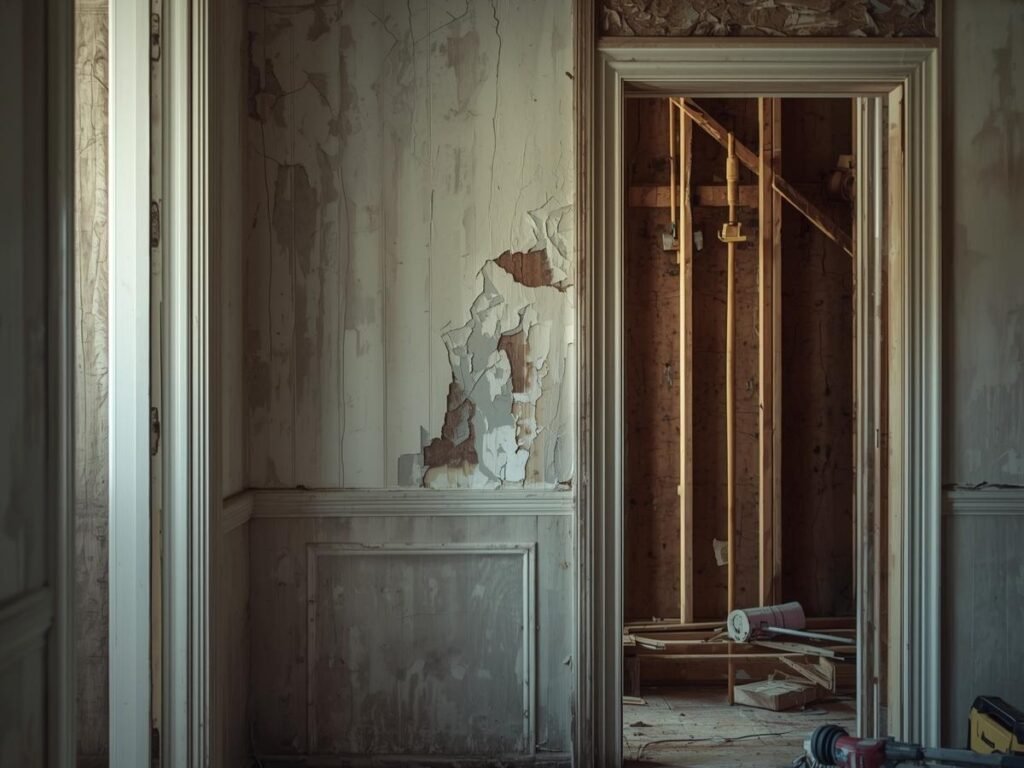
At LCM Services LLC, we regularly open walls and discover:
- Structural compromises
- Moisture pathways
- Unsafe electrical routing
- Unsupported loads
None of which were visible during the DIY phase.
Why Inspections Catch DIY Failures
Home inspectors are trained to spot:
- Non-code installations
- Moisture indicators
- Improper materials
- Safety issues
DIY projects are one of the most common inspection red flags during home sales.
This leads to:
❌ Buyer hesitation
❌ Price reductions
❌ Required repairs under pressure
The Financial Reality of DIY Aging Faster
DIY saves money upfront — but often costs more later.
Hidden costs include:
- Rework
- Material replacement
- Secondary damage
- Mold remediation
- Delayed sales
Professional work reduces repeat spending.
What Professionals Do Differently
Professional contractors like LCM Services LLC:
✔️ Evaluate the whole system
✔️ Plan for seasonal movement
✔️ Control moisture pathways
✔️ Follow long-term performance standards
✔️ Install for durability, not speed
This difference shows up years later — when DIY work has already failed.
When DIY Makes Sense — and When It Doesn’t
DIY can work for:
✔️ Cosmetic updates
✔️ Non-structural changes
✔️ Temporary solutions
DIY is risky for:
❌ Moisture-related work
❌ Structural changes
❌ Exterior systems
❌ Older home repairs
Knowing the difference protects your home.
Final Thoughts: Time Is the Real Test
DIY projects don’t usually fail immediately.
They fail quietly — season by season.
Waterbury’s climate, aging homes, and moisture cycles reveal weaknesses fast. The question isn’t if DIY work will age — but how fast.
Professional work isn’t just about appearance.
It’s about how your home performs years later.
About LCM Services LLC
LCM Services LLC helps Waterbury homeowners evaluate, repair, and renovate homes with a focus on durability, safety, and long-term value.
FAQs
Waterbury’s freeze–thaw cycles, moisture levels, and older housing make DIY shortcuts deteriorate more quickly.
No. DIY works well for cosmetic projects, but system-based repairs are better handled by professionals.
Yes, but repairs often cost more because damage has progressed beneath finished surfaces.
Frequently. Improper installations and moisture risks are common inspection concerns.
Look for cracks, moisture smells, uneven surfaces, rising energy bills, or recurring repairs.