

For many homeowners, walls feel permanent and protective. Fresh paint, smooth drywall, and finished surfaces give the impression that everything behind them is solid and secure. But in reality, walls are one of the most vulnerable parts of a home — especially when moisture quietly finds its way inside.
At LCM Services LLC, we regularly open walls that look perfectly fine from the outside, only to uncover rot, mold, insulation failure, and structural damage hiding just inches away from living spaces. This blog explains how moisture gets behind finished walls, what it does once it’s there, and why early action matters more than most homeowners realize.
Why Moisture Behind Walls Is So Dangerous
Moisture damage isn’t always dramatic. It doesn’t always cause sudden leaks or flooding. In many cases, it’s slow, silent, and persistent.
Once moisture enters a wall cavity, it:
- Has limited airflow to dry out
- Gets absorbed by wood, drywall, and insulation
- Creates ideal conditions for mold growth
- Weakens structural components over time
The danger isn’t just the water — it’s how long it stays hidden.
How Moisture Gets Behind Finished Walls
Most homeowners assume moisture only enters during major leaks. In reality, the entry points are often subtle.
Common Moisture Entry Sources
✔️ Small roof leaks traveling downward
✔️ Failed window or door flashing
✔️ Cracks in exterior siding
✔️ Improperly sealed penetrations (vents, pipes)
✔️ Plumbing drips inside walls
✔️ Condensation from temperature differences
Even tiny gaps can allow water vapor or liquid moisture to enter — especially during heavy rain or freeze–thaw cycles.
What Happens Inside the Wall Cavity
Once moisture is trapped behind finished walls, a chain reaction begins.
1️⃣ Insulation Loses Effectiveness
Wet insulation compresses and loses its thermal resistance. This leads to:
- Higher energy bills
- Cold or hot wall surfaces
- Uneven indoor temperatures
2️⃣ Wood Begins to Deteriorate
Studs, plates, and sheathing absorb moisture slowly. Over time, this can cause:
- Wood rot
- Soft framing
- Loss of load-bearing strength
3️⃣ Mold Growth Starts Quietly
Mold doesn’t need dramatic flooding. It thrives in:
- Damp
- Dark
- Undisturbed spaces
Behind walls is the perfect environment.
4️⃣ Drywall Weakens from the Inside
Drywall absorbs moisture like a sponge. Long before it stains or bubbles, it:
- Loses structural integrity
- Becomes brittle
- Can crumble when touched
Why You Often Don’t See the Damage Right Away
Finished walls are designed to look clean and uniform. That’s exactly why moisture damage hides so well.
🚩 Early damage usually shows no visible signs.
🚩 Odors may be mild or mistaken for normal humidity.
🚩 Paint and trim can look intact while damage spreads behind them.
By the time homeowners notice:
- Stains
- Soft spots
- Musty smells
The problem has usually progressed much further than expected.
Why Older Homes Are More Vulnerable
Many older homes — especially in historic or long-established neighborhoods — were built with:
- Less moisture control technology
- Outdated insulation methods
- Aging plumbing systems
- Multiple renovation layers over time
At LCM Services LLC, we often find that older homes have moisture pathways created decades ago, slowly worsening with each season.
Seasonal Factors That Make Moisture Worse
Moisture intrusion is rarely constant — it spikes with weather.
| Season | Moisture Risk |
| Winter | Condensation, ice dams, freeze–thaw expansion |
| Spring | Saturated materials, heavy rain |
| Summer | Humidity buildup, trapped moisture |
| Fall | Wind-driven rain, clogged drainage |
Each season contributes differently, but the damage compounds year-round.
The Hidden Repairs That Follow Wall Moisture
When walls are finally opened, repairs are rarely limited to one issue.
Common Findings Behind Finished Walls
- Mold-contaminated insulation
- Rotted framing members
- Rusted fasteners
- Corroded plumbing supports
- Electrical safety concerns
These repairs are far more involved than surface fixes.
Why Moisture Damage Is More Expensive to Fix Later
Moisture damage doesn’t stay in one place.
📈 Over time, it spreads:
- Vertically through framing
- Horizontally across wall bays
- Into floors and ceilings
What starts as a minor moisture issue can turn into:
- Structural repair
- Mold remediation
- Energy efficiency loss
- Interior reconstruction
Delaying action almost always multiplies costs.
How Moisture Behind Walls Affects Home Value
Home inspectors know where to look — and moisture is one of the biggest red flags.
Hidden moisture can lead to:
❌ Failed inspections
❌ Lower appraisals
❌ Buyer walkaways
❌ Renegotiated sale prices
Many homeowners only discover wall moisture during the selling process, when timelines and budgets are already tight.
How Professionals Detect Hidden Moisture
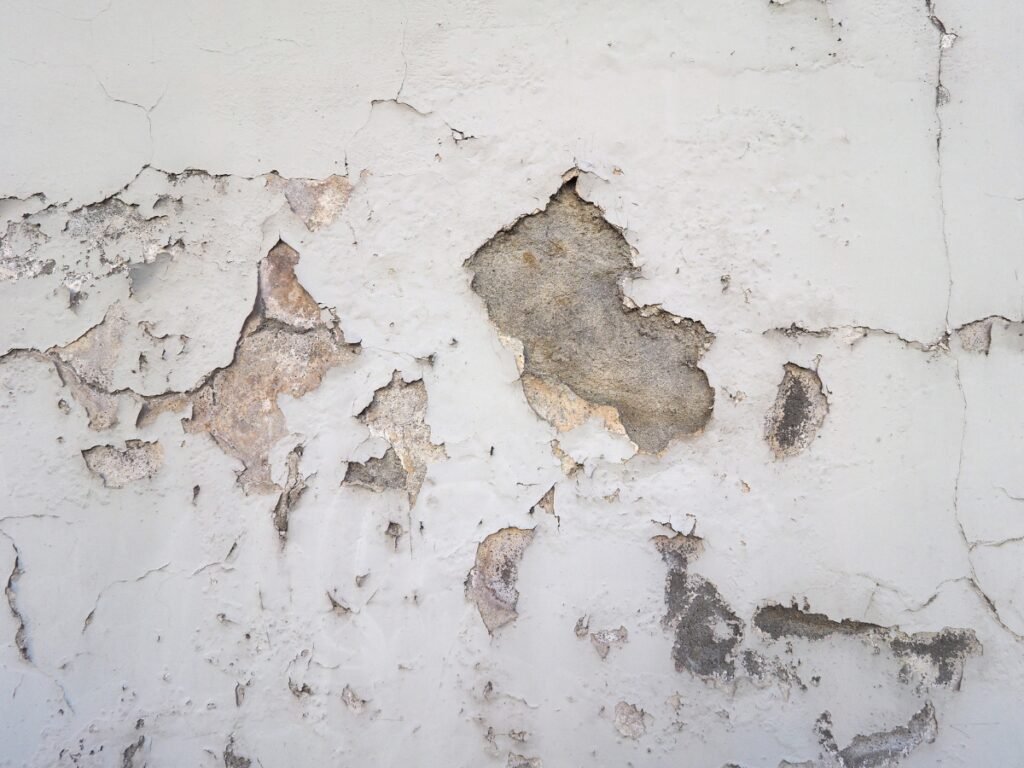
At LCM Services LLC, we don’t rely on guesswork.
Professional assessments may include:
✔️ Moisture meter readings
✔️ Visual inspection of vulnerable zones
✔️ Evaluation of exterior water pathways
✔️ Ventilation and insulation checks
Early detection allows for targeted repairs instead of widespread demolition.
Preventing Moisture from Entering Walls
Prevention is always less disruptive than repair.
Smart Prevention Strategies
✔️ Maintain exterior seals and flashing
✔️ Address roof and window issues early
✔️ Ensure proper ventilation
✔️ Monitor plumbing systems
✔️ Inspect after major storms
Proactive maintenance protects both structure and indoor air quality.
The LCM Services LLC Approach
At LCM Services LLC, we focus on root causes, not just visible symptoms.
Our approach includes:
- Identifying moisture entry points
- Evaluating long-term risk
- Recommending durable solutions
- Helping homeowners prioritize repairs
This ensures repairs last — not just look good temporarily.
Final Thoughts
Finished walls are excellent at hiding problems — until they can’t anymore.
Moisture behind walls:
- Spreads quietly
- Weakens structures
- Raises long-term costs
- Affects health and comfort
The earlier it’s addressed, the simpler the solution.
Sometimes the most important repairs are the ones you never see once they’re done.
About LCM Services LLC
LCM Services LLC provides professional inspection, repair, and renovation services with a focus on long-term durability and homeowner peace of mind.
FAQs
Moisture usually enters through small roof leaks, window flashing failures, plumbing drips, or condensation inside wall cavities.
Yes. Moisture can remain hidden for months or years before stains, odors, or surface damage appear.
It can be. Hidden moisture often leads to mold growth, which may impact indoor air quality and respiratory health.
Contractors like LCM Services LLC use moisture meters, visual assessments, and targeted inspections to locate hidden issues.
Absolutely. Moisture damage is a major inspection red flag and can reduce appraisal value or cause buyers to walk away.