

Shade is usually seen as a good thing.
It keeps homes cooler in summer, protects siding from UV exposure, and gives Waterbury neighborhoods their classic New England charm. Streets lined with mature trees—especially in areas like Atwood Ave, Town Plot, Oakville, and the East End—are some of the most desirable places to live.
But there’s a side effect most homeowners don’t realize:
👉 Shade shortens roof lifespan.
Not suddenly.
Not dramatically.
But quietly, year after year.
This blog explains how shade patterns affect roofs, why some Waterbury streets experience faster roof aging than others, and what homeowners can do to slow the damage before it becomes expensive.
Why Roofs Need Sunlight to Last
Sunlight isn’t just about heat—it’s about drying.
A healthy roof depends on:
- Regular drying cycles
- Evaporation of moisture
- Inhibition of organic growth
When roofs stay shaded:
- Moisture lingers
- Organic growth accelerates
- Shingle materials break down faster
🧠 Shade doesn’t damage roofs directly—it creates the conditions that do.
How Shade Patterns Form in Waterbury Neighborhoods
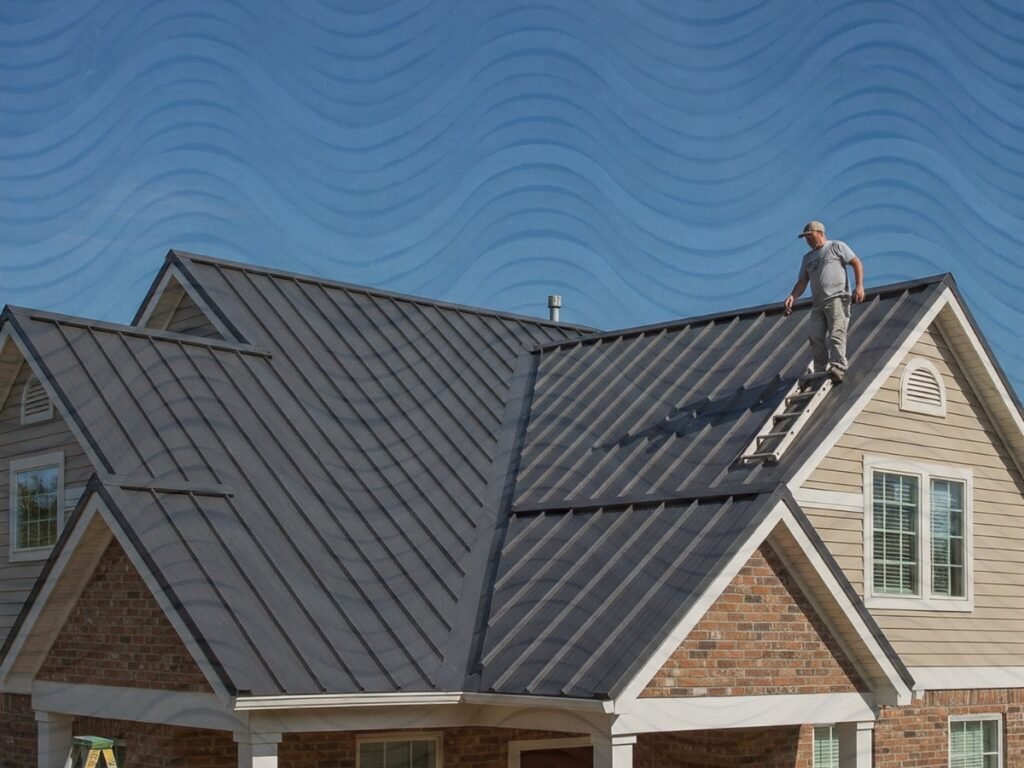
Waterbury’s shade patterns are shaped by a combination of:
- Mature tree canopies
- Street orientation
- Home spacing
- Roof pitch and direction
On some streets:
- One side of the road gets full sun
- The other stays shaded most of the day
That’s why two identical homes can have very different roof lifespans.
Streets Most Affected by Shade-Related Roof Damage
While shade issues can happen anywhere, they’re most common on:
- Tree-lined residential streets
- Narrow roads with dense canopy
- Homes surrounded by older growth trees
Neighborhoods frequently affected include:
- Atwood Ave
- Town Plot
- Oakville
- East End
These areas are beautiful—but tough on roofs.
1. Moisture Retention: The Biggest Problem
Roofs naturally get wet from:
- Rain
- Snow
- Morning dew
Sunlight helps dry them quickly.
In shaded areas:
- Dew stays longer
- Rainwater evaporates slowly
- Snow and ice linger
This prolonged moisture exposure:
- Weakens shingles
- Degrades protective granules
- Encourages rot in roof decking
Even high-quality roofs suffer under constant moisture.
2. Moss, Algae, and Lichen Growth
Shade + moisture = organic growth.
Common Growth Types
- Algae: Black streaks that absorb heat and moisture
- Moss: Thick growth that lifts shingles
- Lichen: Hard growth that embeds into shingles
These organisms:
- Trap water against the roof
- Break down shingle surfaces
- Shorten roof lifespan by years
⚠️ Moss damage is especially common on shaded north-facing roof slopes.
3. Uneven Roof Aging on the Same Home
One of the clearest signs of shade damage is uneven aging.
You may notice:
- One roof slope looks older
- Granules missing on one side
- More staining on shaded sections
This often leads homeowners to ask:
“Why is only half my roof failing?”
The answer is usually shade exposure—not poor materials.
4. Shade Slows Ice and Snow Melt
In winter, shaded roofs:
- Hold snow longer
- Develop ice dams more easily
- Experience repeated freeze–thaw cycles
This causes:
- Water backup under shingles
- Decking moisture
- Hidden rot near roof edges
Damage often shows up months later—usually in spring.
5. Debris Accumulation from Trees
Shade often means trees—and trees drop debris.
Common roof debris includes:
- Leaves
- Twigs
- Seeds
- Sap
Debris traps moisture, blocks drainage paths, and accelerates shingle breakdown.
🧠 Even small debris piles can cause big problems over time.
Real Waterbury Example: Same Street, Different Roof Lives
Two neighboring homes on Atwood Ave:
- Same roof material
- Installed the same year
After 12 years:
- Sunny-side home still performing well
- Shaded home needed early replacement
Inspection revealed:
- Moss growth
- Soft decking
- Granule loss
Shade—not installation—was the deciding factor.
Why Homeowners Miss Shade Damage
Shade-related damage is often overlooked because:
- Roof still “looks fine” from the ground
- Damage develops slowly
- Problems are seasonal
By the time leaks appear, years of damage have already occurred.
How Shade Damage Develops (Step-by-Step)
- Roof stays shaded
- Moisture lingers
- Organic growth begins
- Shingles weaken
- Decking absorbs moisture
- Lifespan shortens
🧠 Shade damage is cumulative, not sudden.
Cost Impact: Shaded Roofs vs Sunny Roofs
| Roof Condition | Average Lifespan |
| Full sun exposure | 25–30 years |
| Partial shade | 18–22 years |
| Heavy shade | 12–18 years |
That difference can mean thousands of dollars over time.
Why Waterbury Roofs Are Especially Vulnerable
Waterbury roofs face:
- Older construction
- Dense tree coverage
- Seasonal moisture extremes
- Freeze–thaw cycles
All of these amplify shade-related damage.
Prevention Strategies for Shaded Roofs
✔ 10 Practical Ways to Extend Roof Life
- Trim overhanging branches
- Improve roof drainage
- Install algae-resistant shingles
- Schedule regular roof cleanings
- Remove debris promptly
- Improve attic ventilation
- Inspect shaded slopes annually
- Address moss early
- Avoid pressure washing shingles
- Work with local roofing experts
Small steps make a big difference.
Safety Warning for Homeowners
⚠️ Moss-covered roofs are slippery
⚠️ DIY cleaning can damage shingles
⚠️ Improper methods shorten roof life further
Professional care is safer and more effective.
When to Call a Professional in Waterbury, CT
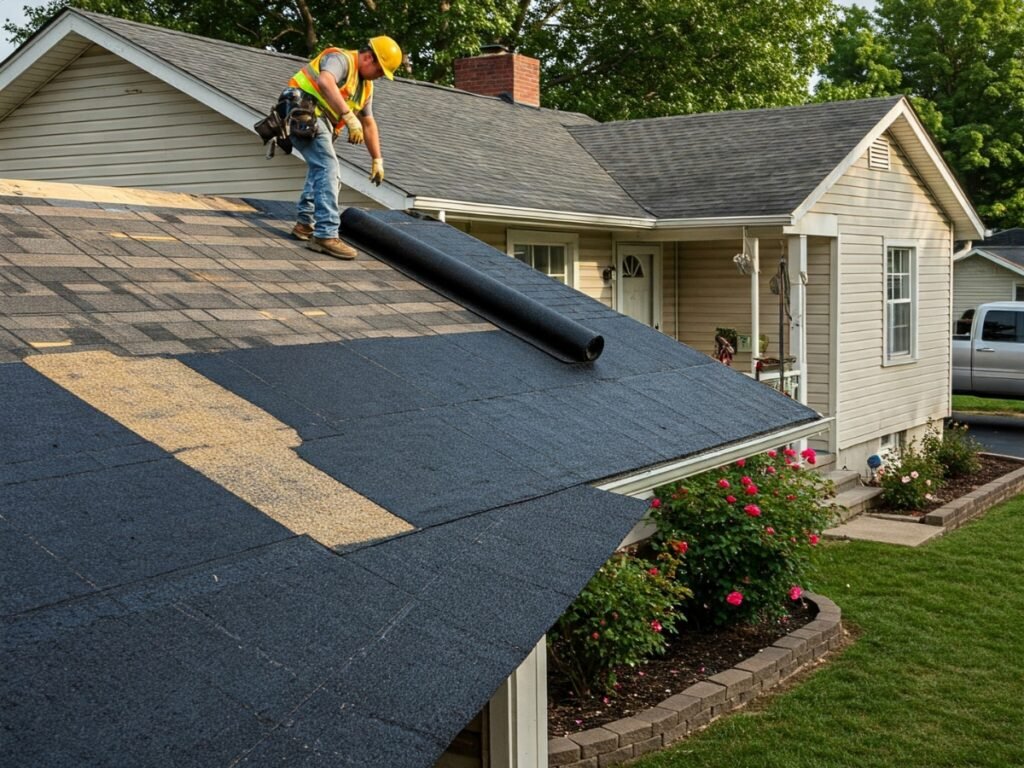
Call a professional if:
- Moss or algae is visible
- One roof slope ages faster
- Roof stays wet long after rain
- Ice dams occur frequently
- Shingles feel brittle or lift
Early intervention saves money.
Why Choose Us for Roofing Services in Waterbury, CT
At LCM Services LLC, we understand Waterbury’s shade patterns and how they affect roofs.
What Sets Us Apart
✔ Local neighborhood experience
✔ Shade-related roof diagnostics
✔ Moss & moisture expertise
✔ Preventative maintenance focus
✔ Honest repair recommendations
We don’t just replace roofs—we help them last longer.
FAQs
Yes, it traps moisture and encourages organic growth.
North-facing slopes with limited sun exposure.
Yes, significantly if left untreated.
Often yes, due to hidden moisture damage.
Absolutely—it improves drying time.