


When Waterbury homeowners think about home damage, winter always gets the blame.
- Snow loads
- Ice dams
- Freezing temperatures
But year after year, the most expensive, widespread, and hidden damage happens in spring.
Spring is when:
- Ice damage reveals itself
- Water finds weak points
- Foundations shift
- Exterior systems fail
Winter creates the stress.
Spring exposes the damage.
Why Spring Is More Dangerous Than Winter

Winter damage is often visible and expected. Spring damage is:
- Subtle
- Progressive
- Moisture-driven
- Structural
Spring problems worsen quietly—and often go unnoticed until repairs become costly.
1. Freeze–Thaw Cycles Reach Their Breaking Point
During winter, materials contract. In spring, they expand—rapidly.
This constant freeze–thaw cycle affects:
- Concrete
- Wood
- Masonry
- Fasteners
By spring:
- Cracks widen
- Seals fail
- Materials lose integrity
💥 Spring is when accumulated stress finally releases.
2. Snowmelt Saturates the Ground Around Foundations
Waterbury’s soil absorbs snowmelt like a sponge.
When that happens:
- Soil expands
- Pressure builds against foundation walls
- Foundations shift slightly
Even minor movement can:
- Misalign doors and windows
- Crack interior walls
- Stress framing
This movement rarely happens in winter—it happens during spring thaw.
3. Heavy Spring Rain Overwhelms Drainage Systems
Spring brings:
- Prolonged rainfall
- Sudden storms
- Rapid runoff
In older Waterbury neighborhoods like Atwood Ave, Town Plot, East End, and Oakville, drainage systems are often outdated.
Common issues:
- Clogged gutters
- Short downspouts
- Poor grading
🌧️ Water goes where it shouldn’t—toward your home.
4. Roof Damage Becomes Visible in Spring
Winter weakens roofs. Spring exposes them.
By spring:
- Shingles loosen
- Flashing separates
- Underlayment deteriorates
Leaks often appear after winter, not during it.
Signs include:
- Ceiling stains
- Damp attic insulation
- Mold odors
Spring rain is the real test of your roof’s integrity.
5. Gutters Fail at the Worst Possible Time
Gutters endure winter abuse:
- Ice buildup
- Debris
- Weight stress
In spring:
- Joints separate
- Pitch fails
- Water overflows
Overflowing gutters lead to:
- Foundation saturation
- Basement leaks
- Siding damage
Gutters don’t fail in winter—they fail in spring.
6. Siding and Exterior Walls Take On Moisture
Spring moisture is persistent, not frozen.
This affects:
- Vinyl siding
- Wood trim
- Caulking
- House wrap
Moisture intrusion leads to:
- Swelling
- Warping
- Hidden rot
💧 Spring moisture is more damaging than winter ice.
7. Decks and Porches Deteriorate Rapidly in Spring
Winter traps moisture in deck boards. Spring activates decay.
By spring:
- Wood softens
- Fasteners loosen
- Structural connections weaken
Decks that looked “fine” in winter may be unsafe by late spring.
⚠️ Spring is peak deck failure season.
Real Waterbury Example: Spring Damage Discovery
A homeowner near Atwood Ave noticed:
- Basement dampness
- A sticking back door
- Deck boards feeling soft
Inspection revealed:
- Gutter overflow
- Soil erosion near foundation
- Moisture-damaged deck framing
All damage surfaced in spring, not winter.
Common Homeowner Mistakes in Spring
❌ Ignoring post-winter inspections
❌ Assuming winter damage is over
❌ Delaying repairs until summer
❌ Focusing only on visible issues
Spring damage compounds quickly if ignored.
How Spring Damage Develops (Step-by-Step)
- Winter stresses materials
- Snow accumulates
- Spring thaw saturates soil
- Rain adds pressure
- Weak points fail
- Damage spreads silently
🧠 Spring doesn’t cause the stress—it reveals it.
Why Waterbury Homes Are Especially Vulnerable
Older Housing Stock
Many homes were built before modern moisture control standards.
Dense Neighborhoods
Limited drainage and tight spacing increase water impact.
Climate Patterns
Waterbury experiences:
- Heavy snow
- Rapid thaws
- Strong spring storms
This combination is especially destructive.
Nearby Areas Comparison
Watertown & Oakville
- Slightly better drainage
- Less density
Wolcott
- Higher elevation
- Faster runoff
Cheshire & Middlebury
- Newer construction
- Modern drainage systems
Waterbury’s mix of age and density increases spring risk.
Early Action vs Delayed Repairs
| Issue | Early Cost | Delayed Cost |
| Gutter repair | Low | Moderate |
| Roof repair | Moderate | High |
| Foundation moisture | Moderate | Very High |
| Deck repair | Low | High |
| Structural repair | — | Extremely High |
💰 Spring inspections save thousands.
Warning Signs to Watch For in Spring
⚠️ Musty basement smells
⚠️ New cracks in walls
⚠️ Doors or windows sticking
⚠️ Water near foundation
⚠️ Peeling paint or trim
These are spring danger signals.
Prevention Tips for Waterbury Homeowners
✔ 9 Spring Protection Steps
- Inspect roof after snowmelt
- Clean and test gutters
- Extend downspouts
- Check grading
- Inspect siding and trim
- Examine decks closely
- Control basement humidity
- Seal exterior gaps
- Schedule a professional inspection
Spring maintenance is not optional—it’s protective.
Safety Concerns Many Homeowners Miss
⚠️ Deck collapse risk
⚠️ Electrical moisture hazards
⚠️ Mold exposure
⚠️ Structural instability
Spring damage affects safety—not just appearance.
When to Call a Professional in Waterbury, CT
Call a professional if:
- Water appears where it shouldn’t
- Damage worsens after rain
- Structural movement is suspected
- Multiple systems show issues
Spring problems escalate quickly without intervention.
Why Choose Us for Home Exterior Services in Waterbury, CT
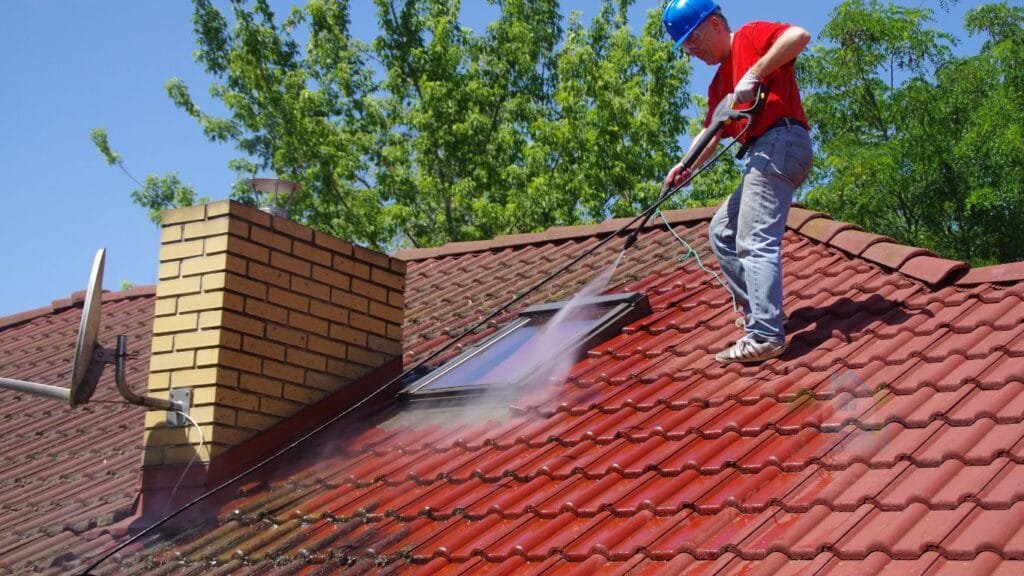
At LCM Services LLC, we specialize in post-winter, spring-season inspections and repairs.
Why Homeowners Trust Us
✔ Local Waterbury expertise
✔ Moisture-focused diagnostics
✔ Honest recommendations
✔ Preventative solutions
✔ Long-term protection mindset
We don’t just fix damage—we prevent future failures.
Final Thoughts
Spring is when Waterbury homes are most vulnerable.
👉 Schedule a professional spring home inspection with LCM Services LLC today to catch hidden damage early and protect your home before problems escalate.
FAQs
Spring exposes winter damage through moisture and soil movement.
Foundation moisture and drainage failure.
Yes, winter damage becomes visible during spring rain.
Yes, due to outdated materials and drainage.
Absolutely—it prevents costly repairs.