
When a Waterbury homeowner wakes up to find their house “broken.” Instead, winter works quietly — slowly stressing materials, widening small gaps, and accelerating wear that most people don’t notice until years later.
Snow piles up. Ice melts and refreezes. Temperatures swing above and below freezing — sometimes multiple times a week. And while your home may look fine on the surface, winter is aging it from the inside out.
At LCM Services LLC, we see this pattern every year across Waterbury neighborhoods — from older homes near Atwood Ave to recently renovated properties that still weren’t prepared for New England’s climate.
This blog explains how winters quietly age homes, why damage often goes unnoticed, and what Waterbury homeowners should understand before small seasonal stress turns into major repairs.
Winter Damage Rarely Looks Like Damage at First
Most homeowners expect winter damage to be obvious: fallen shingles, burst pipes, or visible leaks. But the real problem is cumulative stress.
Winter damage usually starts as:
- Microscopic cracks
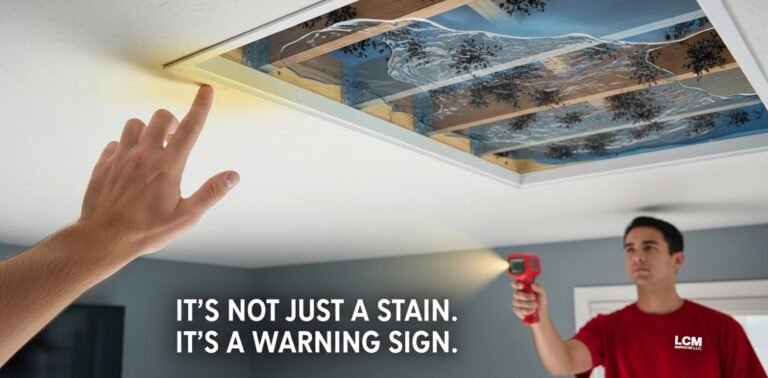
- Minor moisture intrusion
- Subtle material movement
- Slight loosening of fasteners
- Gradual insulation breakdown
These issues don’t trigger alarms. They quietly compound year after year.
⚠️ By the time damage becomes visible, the home has often been aging for multiple winters already.
The Freeze–Thaw Cycle: Waterbury’s Silent Home Killer
One of the biggest culprits behind winter-related aging is the freeze–thaw cycle.
Here’s how it works:
- Moisture enters tiny openings in siding, masonry, trim, or foundation
- Temperatures drop below freezing
- Water expands as it freezes
- Materials are forced apart
- Ice melts and refreezes — repeating the process
Waterbury winters are especially damaging because temperatures frequently hover around the freezing point, creating constant expansion and contraction.
This cycle slowly:
- Widens cracks
- Weakens mortar joints
- Loosens siding
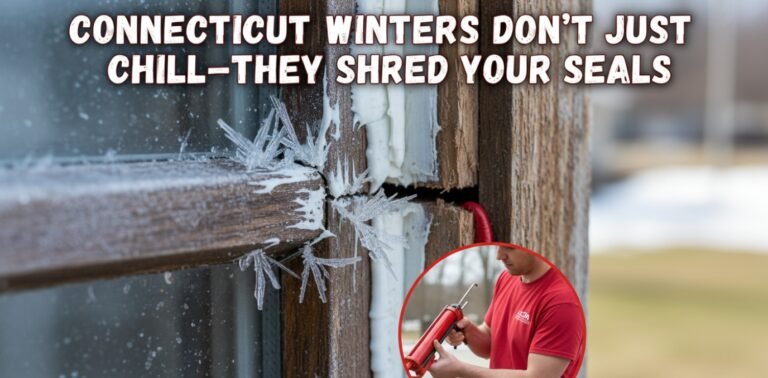
- Breaks down sealants
- Compromises structural connections
And it does this without visible warning.
How Exterior Materials Age Every Winter
Siding and Trim Stress
Vinyl, wood, and fiber cement siding all react differently to cold, but none are immune.
- Vinyl becomes brittle
- Wood absorbs moisture and swells
- Trim boards separate at joints
Each winter increases the chance of:
✔️ Gaps behind siding
✔️ Moisture intrusion
✔️ Hidden rot
What looks like cosmetic wear is often structural stress underneath.
Brick and Masonry Fatigue
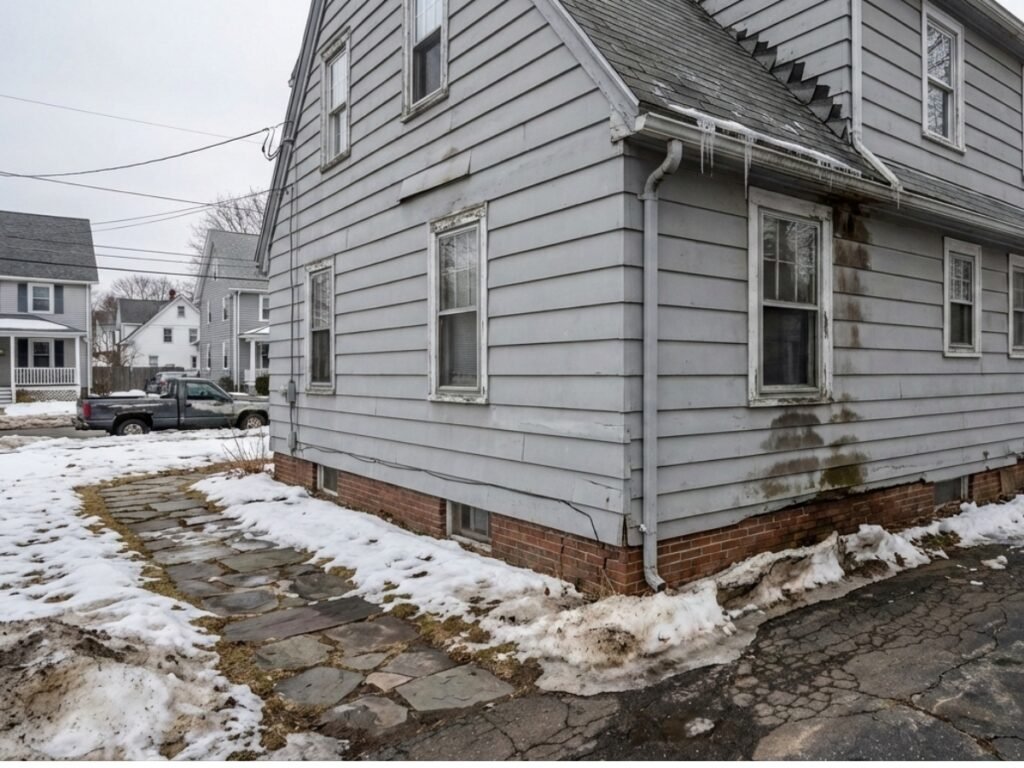
Brick homes around Waterbury are especially vulnerable.
Winter causes:
- Mortar erosion
- Brick surface flaking (spalling)
- Hairline cracking
Once mortar weakens, water finds easier paths into the wall system — accelerating damage every winter thereafter.
Roofs Don’t Fail Suddenly — They Age Seasonally
Roof damage from winter is rarely dramatic at first.
Instead, we see:
- Shingles stiffening and cracking
- Nails loosening from repeated expansion
- Ice dams forcing water backward
- Underlayment slowly deteriorating
🔍 By the time a leak appears, the roof has often been weakening for years, not weeks.
At LCM Services LLC, winter roof inspections often reveal damage homeowners never suspected — especially on roofs that “look fine from the ground.”
💧 Moisture: Winter’s Most Dangerous Companion
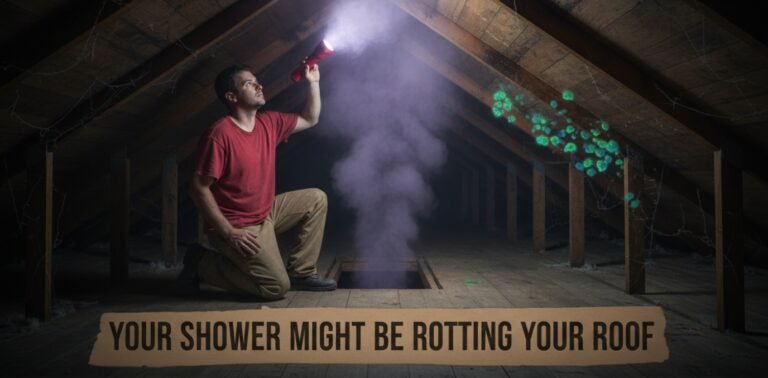
Winter doesn’t eliminate moisture — it traps it.
Snow buildup against foundations, ice around window frames, and condensation inside wall cavities all contribute to long-term moisture damage.
Common winter moisture issues include:
- Condensation inside walls
- Damp insulation losing effectiveness
- Mold-friendly conditions forming quietly
- Wood framing slowly decaying
🚨 Moisture damage doesn’t stop when winter ends — it continues working year-round once established.
Windows: Where Aging Starts Early
Windows are one of the first areas to show winter aging — even when homeowners don’t realize it.
Winter causes:
- Seal failure between panes
- Frame warping
- Drafts that worsen every year
- Moisture buildup around sills
What starts as higher heating bills often becomes:
❌ Rotting window frames
❌ Interior wall damage
❌ Structural framing issues
This is why window-related repairs often uncover deeper problems during replacement.
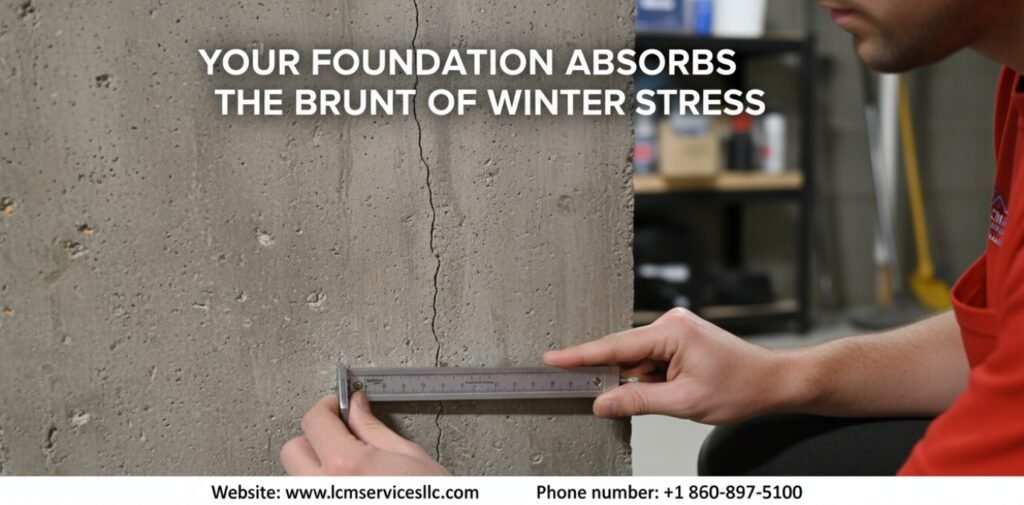
Foundations Feel Winter Stress First
The foundation absorbs more winter stress than any other part of the home.
Repeated freeze–thaw cycles cause:
- Soil movement
- Hydrostatic pressure changes
- Concrete expansion and contraction
Over time, this leads to:
- Hairline cracks
- Uneven floors
- Basement moisture
- Structural shifting
These changes happen slowly — which is why many homeowners assume they’re “normal aging,” not damage.
How Winter Quietly Ages Homes Over Time
| Home Component | Winter Effect | Long-Term Impact |
| Foundation | Freeze–thaw pressure | Cracks, shifting |
| Roof | Ice dams & cold stress | Leaks, rot |
| Windows | Seal breakdown | Energy loss, moisture |
| Siding | Expansion & contraction | Hidden water intrusion |
| Masonry | Mortar erosion | Structural weakening |
| Insulation | Condensation | Reduced efficiency |
Why Homeowners Miss the Warning Signs
Winter damage is often mistaken for:
- Normal wear and tear
- Cosmetic aging
- Settling
- Seasonal inconvenience
But experienced contractors know the difference.
At LCM Services LLC, we often hear:
“We didn’t realize winter could cause that.”
Unfortunately, by the time homeowners realize it, repairs are usually more extensive.
Why Older Waterbury Homes Are More Vulnerable
Many Waterbury homes were built decades ago using materials and methods not designed for modern climate patterns.
Older homes often lack:
- Proper moisture barriers
- Modern insulation systems
- Flexible sealants
- Adequate drainage
Each winter exposes these weaknesses further — aging the home faster than homeowners expect.
The Cost of Ignoring Seasonal Aging
Ignoring winter-related aging doesn’t save money — it delays expenses until they’re larger.
Deferred winter damage can lead to:
💰 Structural repairs
💰 Interior restoration
💰 Mold remediation
💰 Decreased home value
💰 Failed inspections during resale
Small seasonal stress becomes big financial strain when ignored.
How Professional Assessments Make the Difference
Winter damage isn’t always visible — but it is detectable.
Professional evaluations look beyond surfaces to identify:
- Moisture paths
- Structural stress points
- Early-stage material failure
This is where LCM Services LLC helps Waterbury homeowners stay ahead — identifying problems before they become emergencies.
Prevention Is Always Cheaper Than Repair
Smart homeowners treat winter like a predictable force, not a surprise.
Proactive steps include:
✔️ Seasonal inspections
✔️ Drainage improvements
✔️ Sealing vulnerable areas
✔️ Timely repairs
Homes that are maintained with winter in mind age far more slowly.
Final Thoughts
New England winters don’t destroy homes overnight.
They age them quietly.
Relentlessly.
One season at a time.
The question isn’t if winter is affecting your Waterbury home — it’s how long it’s been happening without notice.
With the right awareness and professional guidance, homeowners can stop winter from silently stealing years off their home’s lifespan.
And that’s where experience matters.
LCM Services LLC continues to help Waterbury homeowners understand, protect, and preserve their homes — season after season.
FAQs
Freeze–thaw cycles cause materials to expand and contract repeatedly, leading to cracks, moisture intrusion, and gradual structural wear over time.
Early signs include new cracks, drafts, moisture stains, uneven floors, and higher heating bills, even if no visible damage appears.
Yes. Many older homes lack modern moisture barriers and insulation, making them more susceptible to seasonal stress and hidden deterioration.
Absolutely. Undetected winter-related issues often appear during inspections, reducing buyer confidence and increasing repair negotiations.
Regular seasonal inspections, sealing vulnerable areas, improving drainage, and addressing small issues early help slow winter-related aging.