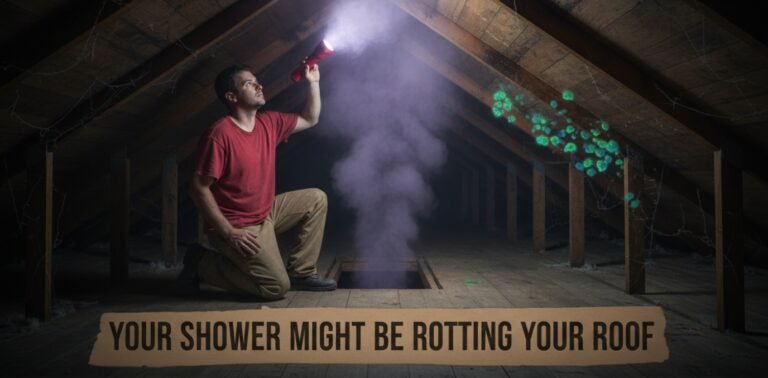


After a storm passes in Waterbury, many homeowners walk outside, look around, and think:
“We’re lucky—nothing looks damaged.”
No missing shingles.
No fallen trees.
No obvious leaks.
But this sense of relief can be misleading.
In Waterbury’s climate, the most serious storm damage often starts invisibly, beneath surfaces and behind walls. By the time damage becomes obvious, repairs are more expensive—and sometimes urgent.
This article explains why storm damage often stays hidden, what areas of your home are most vulnerable, and how Waterbury’s unique conditions make delayed damage more common than people expect.
Why Storm Damage Isn’t Always Immediate
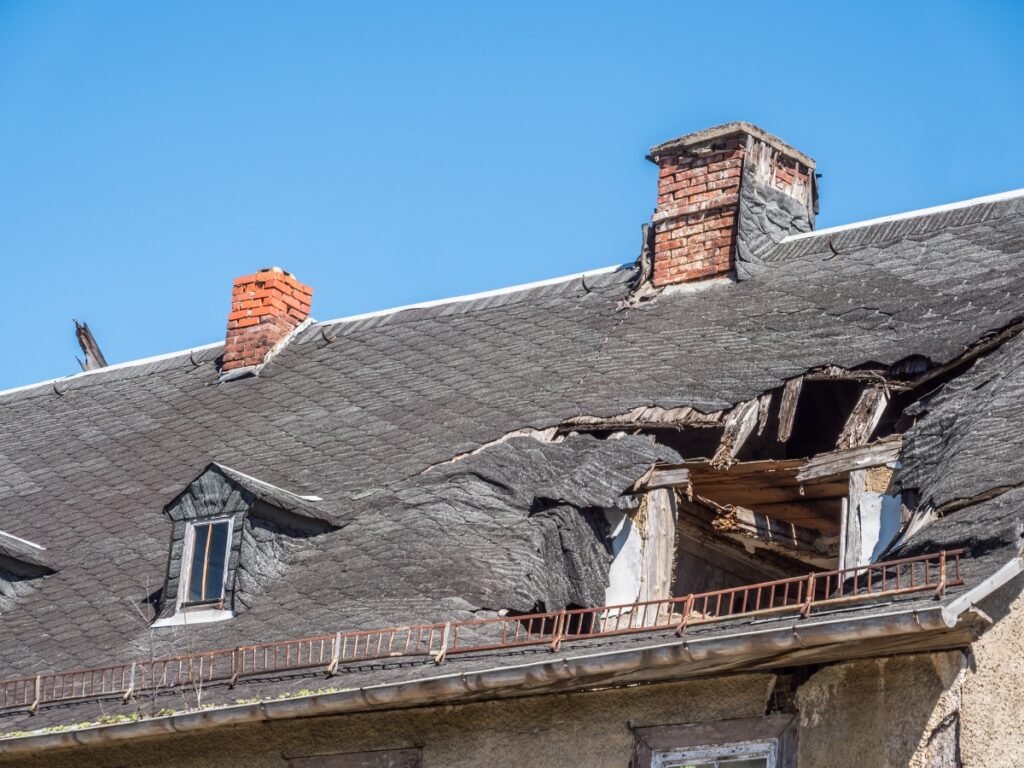
Storms don’t always destroy things outright. Instead, they often:
- Loosen
- Shift
- Stress
- Saturate
Materials may remain in place but lose integrity. Over time, normal weather exposes what the storm weakened.
🧠 Storms don’t always “break” homes—they start the breakdown process.
How Waterbury’s Weather Creates Delayed Damage
Waterbury storms are rarely just wind or rain. They often involve:
- Heavy rain
- Gusty wind
- Snow or ice
- Rapid temperature changes
This combination is especially damaging.
Key Local Factors:
- Freeze–thaw cycles
- Older housing stock
- Dense neighborhoods
- Mature trees
Each of these increases the likelihood of hidden storm damage.
Roof Damage That Doesn’t Show Right Away
Wind-Lifted Shingles
Strong winds can:
- Lift shingles without tearing them off
- Break the seal underneath
- Allow water intrusion later
From the ground, shingles still look fine.
But during the next rain:
- Water seeps underneath
- Underlayment absorbs moisture
- Decking begins to soften
Micro-Cracks from Hail or Debris
Small impacts may:
- Crack shingles
- Knock off granules
- Compromise UV protection
These don’t leak immediately—but they shorten roof lifespan significantly.
Ice & Snow Storm Stress
In winter storms:
- Ice dams form
- Water backs up under shingles
- Damage occurs beneath the surface
Leaks often appear weeks or months later, usually in spring.
2. Gutter Damage That Goes Unnoticed
Gutters rarely fail dramatically.
Storms often cause:
- Slight pitch changes
- Seam separation
- Downspout loosening
- Hidden clogs
Water may still flow—but not correctly.
💧 Result:
- Overflow near foundation
- Fascia saturation
- Basement moisture issues
These problems build quietly after storms.
3. Siding Damage That Hides Behind Panels
Storms affect siding in subtle ways:
- Panels shift slightly
- Fasteners loosen
- Moisture barriers tear
Vinyl siding, in particular:
- Can look perfectly intact
- While allowing water behind it
Once moisture enters:
- Sheathing absorbs water
- Insulation loses effectiveness
- Mold risk increases
4. Window and Door Damage That Feels “Off”
After storms, homeowners may notice:
- Doors sticking
- Windows harder to open
- Drafts
These aren’t coincidence.
Storm-related causes include:
- Frame movement
- Water saturation in surrounding materials
- Minor foundation shifts
These issues often worsen over time.
5. Foundation and Structural Damage That Takes Time
Storms don’t usually crack foundations instantly.
Instead, they:
- Saturate soil
- Increase hydrostatic pressure
- Cause subtle movement
Over time, this leads to:
- Hairline cracks
- Basement dampness
- Uneven floors
- Misaligned doors and windows
Spring is when this damage becomes most noticeable.
Real Waterbury Example: Damage That Appeared Months Later
A homeowner near Atwood Ave experienced a strong fall storm.
Immediately after:
- No visible roof damage
- Gutters appeared intact
Three months later:
- Ceiling stain appeared
- Basement felt damp
- Gutters overflowed during rain
Inspection revealed:
- Lifted shingles
- Gutter pitch failure
- Water intrusion behind siding
The storm caused damage—but time revealed it.
Why Waterbury Homes Are More Vulnerable
Older Construction
Many homes were built before:
- Modern wind standards
- Advanced moisture barriers
Dense Tree Coverage
Falling debris and limb strikes are common.
Seasonal Overlap
Storms often overlap seasons:
- Rain → freeze
- Snow → thaw
This accelerates deterioration.
Common Storm Damage Homeowners Miss
❌ Minor shingle lifting
❌ Small gutter shifts
❌ Loose siding fasteners
❌ Subtle leaks
❌ Moisture smells
These signs are easy to dismiss—but dangerous to ignore.
How Hidden Storm Damage Develops (Step-by-Step)
- Storm stresses materials
- Damage remains hidden
- Moisture infiltrates
- Materials weaken
- Secondary damage appears
- Repairs become larger
🧠 The delay is what makes storm damage expensive.
Early Detection vs Late Repairs
| Issue | Early Cost | Delayed Cost |
| Roof repair | Low–Moderate | High |
| Gutter correction | Low | Moderate |
| Siding repair | Moderate | High |
| Basement moisture | Moderate | Very High |
| Structural repair | — | Extremely High |
💰 Early inspections save thousands.
Seasonal Timing: When Hidden Damage Shows Up
- Spring: Leaks, foundation movement
- Summer: Mold, insulation issues
- Fall: Structural fatigue
- Winter: Ice dam damage
Storm damage rarely appears immediately.
Warning Signs You Shouldn’t Ignore
⚠️ New stains or odors
⚠️ Increased humidity
⚠️ Drafts after storms
⚠️ Gutter overflow
⚠️ Siding movement sounds
These are delayed storm damage signals.
Prevention Tips for Waterbury Homeowners
✔ 9 Smart Steps After Any Storm
- Inspect roof edges and valleys
- Check gutters during rain
- Look for siding movement
- Monitor basement moisture
- Watch for new cracks
- Inspect attic insulation
- Address tree damage quickly
- Schedule professional inspections
- Document storm timing
Preparation limits long-term damage.
Safety Risks of Ignoring Hidden Damage
⚠️ Mold exposure
⚠️ Structural weakening
⚠️ Electrical hazards from moisture
⚠️ Deck or roof collapse
Storm damage isn’t just cosmetic—it’s a safety issue.
When to Call a Professional in Waterbury, CT
Call a professional if:
- A strong storm recently passed
- Damage appears weeks later
- Moisture issues increase
- You plan to sell or renovate
Local expertise matters after storms.
Why Choose Us for Storm Damage Repairs in Waterbury, CT
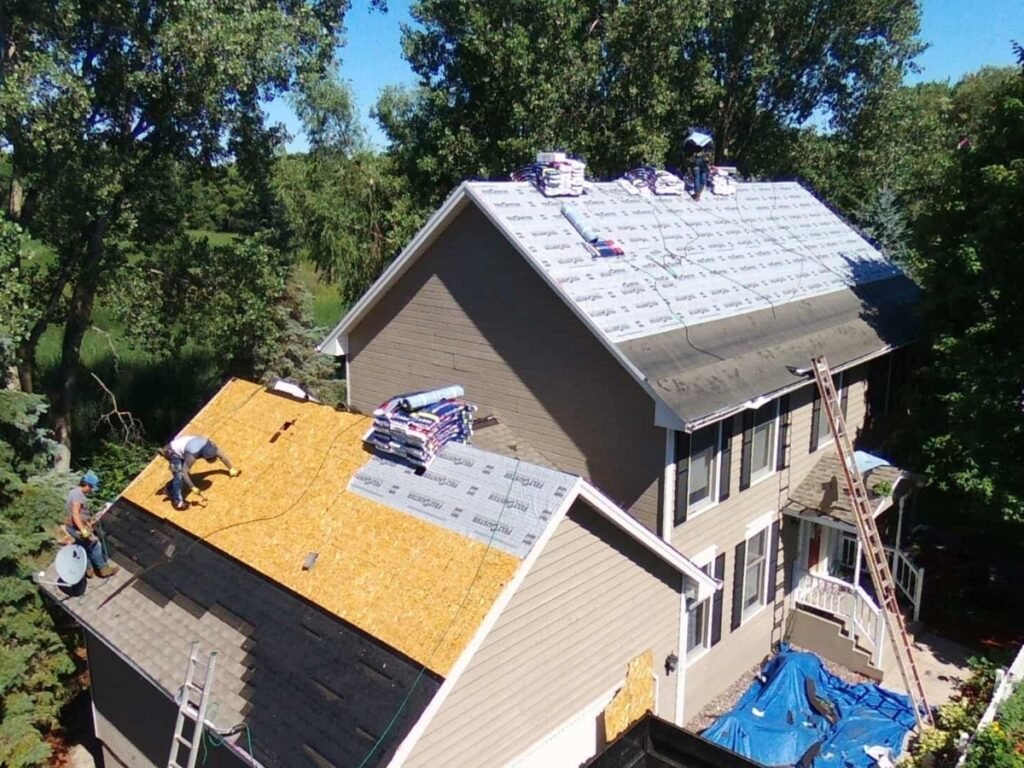
At LCM Services LLC, we specialize in post-storm damage that isn’t obvious.
What Sets Us Apart
✔ Local Waterbury experience
✔ Storm-specific inspections
✔ Moisture-focused diagnostics
✔ Repair-first approach
✔ Long-term protection mindset
We find what storms hide.
FAQs
Yes, many issues surface after moisture exposure.
Yes, hidden damage is common in Waterbury.
Yes, due to older materials and construction methods.
Yes, through soil saturation and pressure.
Often, if documented properly and caught early.