


Bathrooms are essential in every home, but in Waterbury, CT, they are a common source of hidden moisture problems. Even when everything looks normal—no visible leaks, no puddles, no stains—moisture can travel silently throughout your home, damaging walls, ceilings, and even your foundation over time.
This problem is especially prevalent in older Waterbury homes, where ventilation may be outdated, insulation gaps exist, and home layouts allow moisture to migrate between rooms.
In this blog, we’ll explore how bathroom moisture spreads, the risks it poses, the warning signs, and actionable prevention strategies tailored for Waterbury homeowners.
1. How Moisture Forms in Bathrooms
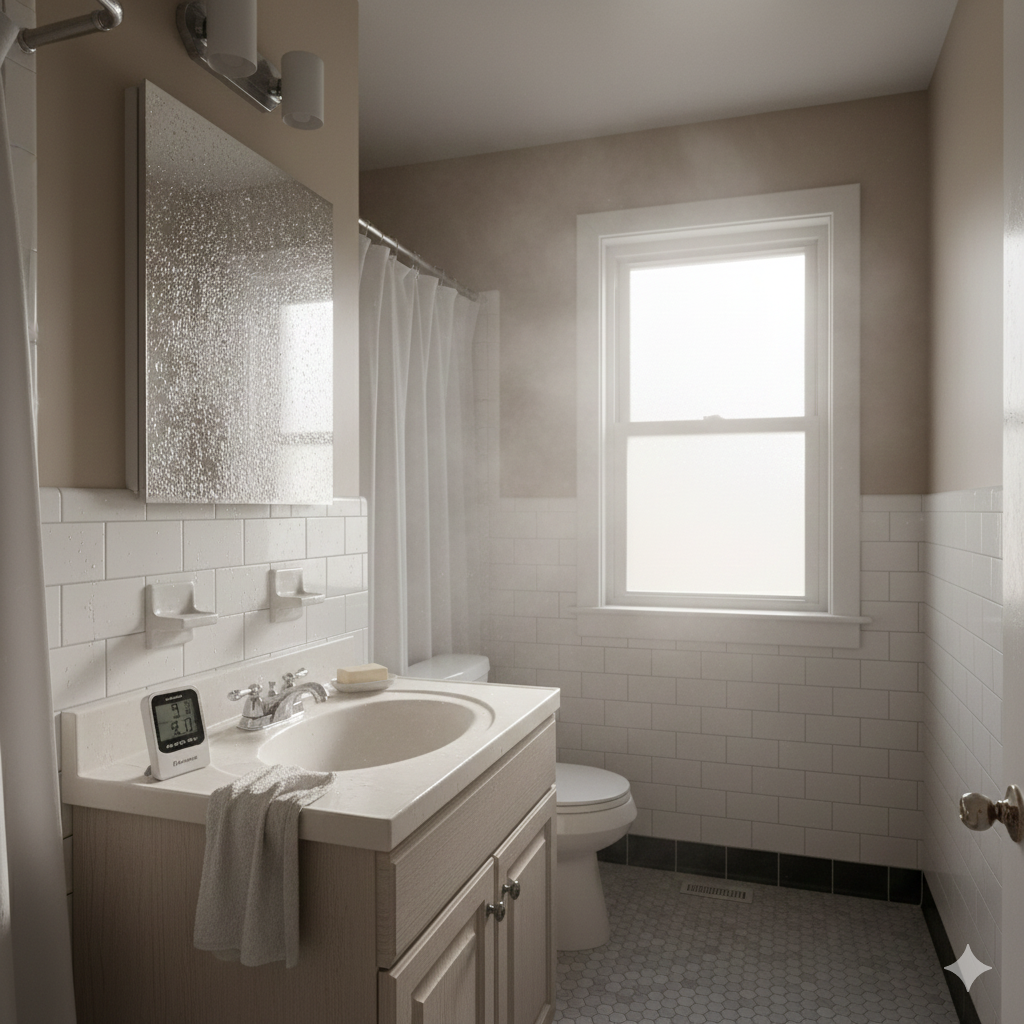
Bathroom moisture primarily originates from:
- Showers and baths: Hot water creates high humidity
- Sinks: Overflow, splashes, and condensation
- Toilets: Steam from hot water, particularly in small bathrooms
- Leaks: Hidden under sinks, around tubs, or behind tile
Even minor daily activities can introduce significant moisture over time.
💡 Local Waterbury Tip: Homes on Atwood Ave, Oakville, and East End neighborhoods often experience higher indoor humidity due to older bathroom designs and smaller ventilation systems.
2. How Moisture Spreads Through the Home
Moisture doesn’t stay confined to the bathroom. It spreads through three main pathways:
2.1 Through Air
Hot, humid air travels:
- Up through ceilings
- Into adjacent rooms
- Into attics and crawl spaces
Poor ventilation amplifies the problem, especially in older Waterbury homes with small exhaust fans or no fans at all.
2.2 Through Building Materials
Moisture moves into walls, insulation, and floors:
- Wooden studs absorb water, swelling over time
- Drywall becomes soft, peels, or cracks
- Insulation retains water, reducing effectiveness
Over time, even a minor leak or repeated condensation can damage structural materials.
2.3 Through HVAC and Ducts
Moist air can enter:
- HVAC return vents
- Supply ducts if leaks exist
- Attic spaces connected to the bathroom
This hidden migration spreads moisture far from the source, often reaching bedrooms, living rooms, or even the basement.
3. Common Waterbury Home Layouts That Accelerate Moisture Spread
- Small bathrooms without windows
- Shared walls between bathrooms and bedrooms
- Attic bathrooms with limited venting
- Older homes with open joist designs
In neighborhoods like Oakville and East End, older homes often have bathrooms tucked into corners without direct ventilation, increasing the risk.
4. Real-Life Examples in Waterbury Homes
Example 1: Atwood Ave Townhouse
- Small upstairs bathroom
- Shower steam frequently reached the hallway ceiling
- Painted ceiling began to peel
- Professional inspection revealed moisture migration into the attic insulation
Example 2: Oakville Colonial Home
- Basement bathroom without exhaust fan
- Musty smell in basement living room
- Moisture had traveled through HVAC ducts, causing mold behind drywall
💡 Lesson: Moisture spreads silently, making early detection essential.
5. Hidden Risks of Bathroom Moisture
Bathroom moisture can create multiple problems:
5.1 Mold Growth
- Mold grows on drywall, insulation, and wood
- Health hazards: allergies, respiratory issues
5.2 Structural Damage
- Softened drywall
- Warped wooden studs and floors
- Ceiling sagging in rooms below bathrooms
5.3 Energy Inefficiency
- Moist insulation loses R-value
- HVAC systems work harder
- Increased energy bills
5.4 Pest Attraction
- Moist areas attract termites and other insects
- Hidden infestations can worsen structural damage
6. Signs Your Waterbury Home is Affected
- Musty odors in adjacent rooms
- Peeling or blistered paint
- Condensation on walls, windows, or ceilings
- Stains on ceilings below bathrooms
- Excessive humidity readings on hygrometer
Even minor signs can indicate widespread moisture problems.
7. Seasonal Factors That Increase Moisture Spread
- Winter: Heating indoors dries air but bathrooms remain humid after showers
- Spring: Higher outdoor humidity penetrates home via ventilation
- Summer: Hot water + high humidity exacerbates condensation
- Fall: Closed windows trap moisture indoors
Waterbury-specific note: Homes with older construction are more susceptible due to outdated ventilation standards.
8. How to Prevent Moisture Spread
✔ 10 Expert Prevention Tips
- Install a powerful exhaust fan in every bathroom
- Vent the fan directly outside, not into the attic
- Run fans during and after showers (at least 20 minutes)
- Open windows when weather allows
- Seal tiles and grout properly to prevent water seepage
- Inspect caulking around tubs, showers, and sinks regularly
- Insulate bathroom walls to reduce condensation on cold surfaces
- Monitor indoor humidity with a hygrometer
- Upgrade old plumbing to prevent leaks
- Schedule professional inspections for hidden moisture in attics, walls, and ducts
9. Solutions for Homes Already Affected
- Dry out the space with dehumidifiers and ventilation
- Replace damaged insulation and drywall
- Treat mold professionally
- Check HVAC ducts for moisture infiltration
- Repair leaks and reseal tiles
Addressing moisture quickly prevents more extensive and costly damage.
10. Cost Implications
| Issue | Minor Cost | Major Cost |
| Exhaust fan installation | $150–$350 | — |
| Mold remediation | $500–$1,500 | $3,000+ |
| Drywall repair | $200–$600 | $1,500+ |
| Insulation replacement | $300–$800 | $2,000+ |
| Full bathroom remodel | $5,000+ | $15,000+ |
💡 Early prevention is always more cost-effective than repair.
11. Safety and Health Considerations
- Mold exposure can trigger allergies and asthma
- Structural weakening can cause ceiling or floor collapse
- Moisture attracts pests that may carry disease
Professional intervention is safer than DIY fixes in most Waterbury homes.
12. When to Call a Professional in Waterbury, CT
- Persistent humidity in multiple rooms
- Visible or hidden mold
- Stains or warping of floors, ceilings, or walls
- Leaks not easily visible behind tiles
- HVAC duct condensation
A local expert like LCM Services LLC ensures proper assessment and remediation.
13. Why Choose Us for Bathroom Moisture Solutions in Waterbury
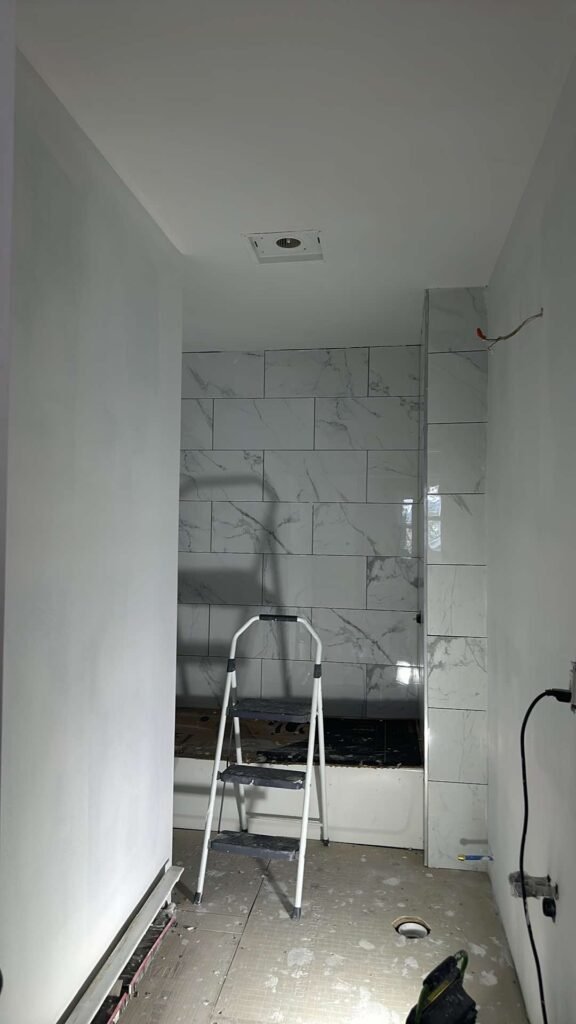
At LCM Services LLC, we specialize in Waterbury homes’ unique moisture challenges.
Our Approach:
- Comprehensive inspection of bathrooms, ducts, attics, and crawl spaces
- Moisture detection using professional tools
- Mold prevention and remediation
- Ventilation and insulation upgrades
- Local experience with older Waterbury homes
We don’t just treat symptoms—we solve the problem at the source.
FAQs
It spreads through walls, ceilings, and ducts, causing mold and structural damage.
Yes, even compact bathrooms can produce significant humidity that migrates.
Look for musty odors, peeling paint, condensation, and high humidity readings.
They help but don’t stop moisture from spreading through building materials.
At least once per season, especially after winter and spring.