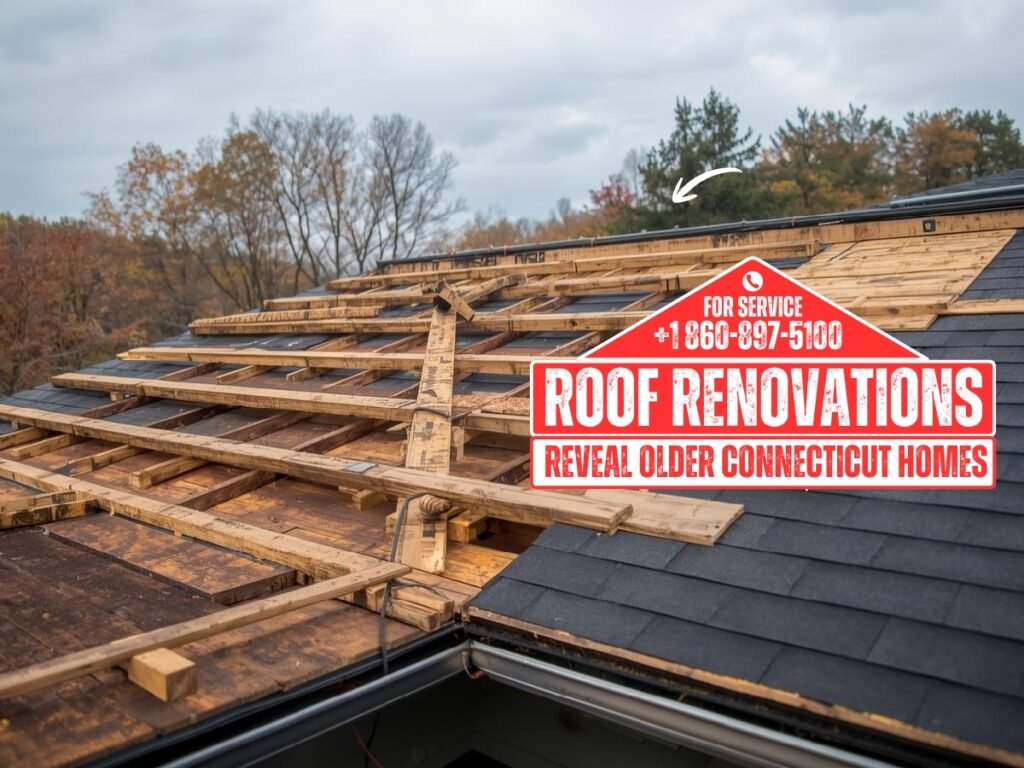
Older homes across Connecticut have a charm that’s hard to replace—solid craftsmanship, classic architecture, and decades of history. But when it comes time for a roof renovation, many homeowners are surprised by what’s uncovered once the old materials come off. What looks like a simple roofing update often turns into a deeper look at how time, weather, and past repairs have quietly shaped the home beneath the surface.
At LCM Services LLC, roof renovations frequently reveal stories that homeowners never expected to hear. From hidden moisture damage to outdated construction methods, the roof often becomes the gateway to understanding the true condition of an older Connecticut home.
This blog explores what roof renovations commonly uncover, why these discoveries matter, and how homeowners can use this information to protect their investment long-term.
The Illusion of “Good Condition” in Older Roofs
From the street, many older Connecticut homes appear perfectly sound. Shingles may look intact, flashing may seem stable, and leaks may not be obvious. But appearance can be deceiving—especially in homes built decades ago.
Roof renovations expose what visual inspections often miss:
- Layers of aging materials stacked over time
- Structural stress hidden beneath sheathing
- Subtle water intrusion that hasn’t reached living spaces yet
Many homeowners assume that if there’s no active leak, the roof is doing its job. In reality, deterioration often starts long before water becomes visible inside the home.
Connecticut’s Climate Leaves Its Mark
Connecticut’s climate plays a major role in how older roofs age. Freeze-thaw cycles, heavy snow loads, summer heat, and seasonal storms all contribute to long-term wear.
During roof renovations, contractors often find:
- Wood decking weakened by repeated moisture absorption
- Ice dam damage near eaves and valleys
- Ventilation systems that no longer meet modern standards
Over time, these conditions compromise not just the roof covering, but the entire roofing system beneath it.
Hidden Moisture Damage Beneath the Surface
One of the most common discoveries during roof renovations is moisture damage that homeowners didn’t know existed. Older roofing systems were not designed with today’s moisture control standards in mind.
Once shingles and underlayment are removed, contractors may uncover:
- Rotted roof decking
- Mold growth around vent penetrations
- Water staining along rafters and trusses
Moisture doesn’t always cause immediate leaks. Instead, it quietly weakens materials over years, creating problems that only become visible during renovation.
Structural Issues That Have Been Developing for Decades
Roof renovations often reveal structural concerns that date back to the original construction of the home. Older building codes were different, and materials that were once considered adequate may no longer perform well under modern conditions.
Common structural findings include:
- Sagging rooflines caused by long-term load stress
- Undersized rafters or trusses
- Improper spacing that affects roof stability
These issues don’t always require full reconstruction, but they do require professional evaluation and proper reinforcement.
Multiple Generations of Repairs—Not All Done Correctly
Many older Connecticut homes have gone through several roof repairs or partial replacements over the years. During renovations, it’s common to find:
- New shingles installed over old layers
- Mixed materials from different eras
- Inconsistent flashing and patchwork repairs
While some of these fixes may have worked temporarily, they often mask deeper problems. Roof renovations finally bring these shortcuts to light.
Ventilation Problems That Impact the Entire Home
Proper roof ventilation wasn’t always a priority in older home construction. During renovations, inadequate or outdated ventilation systems are frequently discovered.
Poor ventilation can lead to:
- Trapped heat in the attic
- Increased moisture buildup
- Reduced lifespan of roofing materials
Roof renovations provide a critical opportunity to upgrade ventilation, improving not just roof performance but overall home comfort and energy efficiency.
Insulation Gaps and Energy Loss
Another common revelation during roof renovations is inadequate insulation. Older homes often lack the insulation levels needed to meet today’s efficiency standards.
Contractors may find:
- Thin or uneven insulation coverage
- Compressed insulation that no longer performs
- Air leaks at roof penetrations
These issues contribute to higher heating and cooling costs, making roof renovations an ideal time to improve energy performance.
Flashing Failures Around Critical Areas
Flashing protects the most vulnerable parts of the roof—chimneys, skylights, vents, and roof intersections. In older homes, flashing systems often show signs of failure.
During renovation, professionals frequently uncover:
- Rusted or cracked metal flashing
- Improperly sealed transitions
- Temporary fixes using roofing cement instead of proper materials
Replacing or upgrading flashing during renovation helps prevent future leaks and extends the life of the new roof.
Outdated Materials That No Longer Perform
Roof renovations often reveal materials that were once standard but no longer meet modern performance expectations. This can include:
- Felt underlayment that has deteriorated
- Old fasteners that have corroded
- Wood components vulnerable to moisture
Replacing these materials ensures the new roof isn’t built on a compromised foundation.
How Roof Renovations Change Home Value Conversations
What’s uncovered during a roof renovation often affects more than just the roof—it influences the home’s overall value and marketability.
Buyers and inspectors pay close attention to:
- Structural integrity
- Moisture history
- Quality of past repairs
Addressing issues during renovation helps homeowners avoid surprises during future inspections or resale.
Why Professional Evaluation Matters
Roof renovations aren’t just about installing new shingles—they’re about understanding the full condition of the home. At LCM Services LLC, roof renovations are approached as diagnostic opportunities, not just cosmetic upgrades.
Professional contractors know how to:
- Identify early signs of deeper issues
- Recommend long-term solutions instead of quick fixes
- Align repairs with Connecticut’s climate challenges
This expertise helps homeowners make informed decisions that protect their property for years to come.
Renovation as a Preventive Investment
While uncovering hidden issues can feel overwhelming, roof renovations ultimately provide clarity. Discovering problems early allows homeowners to address them on their terms—before emergencies, interior damage, or major structural failures occur.
Roof renovations often prevent:
- Costly interior water damage
- Mold remediation expenses
- Structural repairs that escalate over time
Viewed this way, renovation becomes a proactive investment rather than a reactive expense.
What Homeowners Should Expect During Renovation
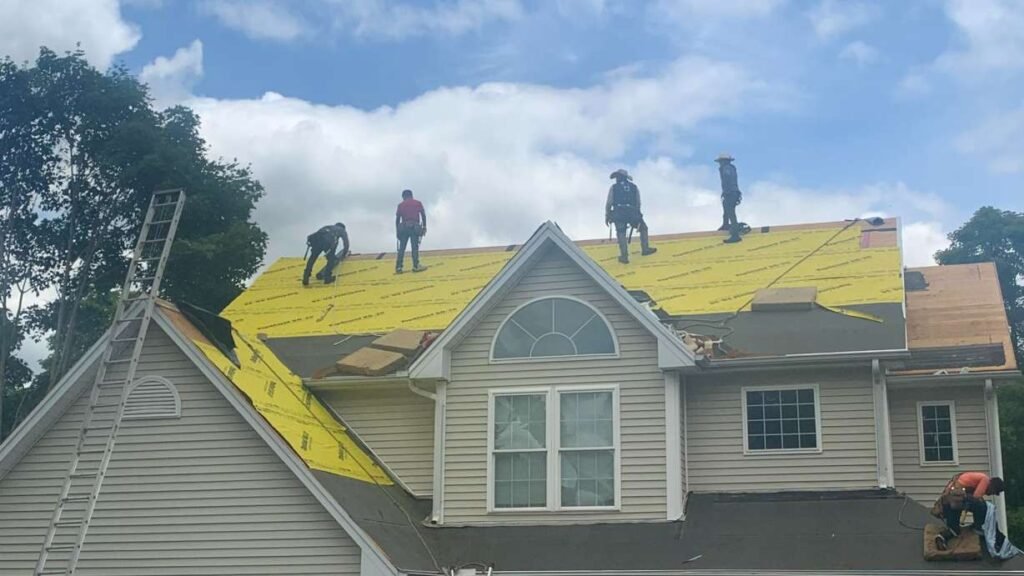
Understanding that roof renovations may reveal unexpected findings helps homeowners prepare mentally and financially.
It’s normal for renovations to uncover:
- Minor decking repairs
- Flashing upgrades
- Ventilation improvements
Planning for these possibilities ensures smoother projects and better outcomes.
The Bigger Picture: Protecting the Entire Home
A roof is more than a covering—it’s a system that protects every part of the home beneath it. When older Connecticut homes undergo roof renovations, the process often reveals how interconnected roofing, structure, insulation, and ventilation truly are.
Addressing these elements together creates stronger, safer, and more durable homes.
Why Connecticut Homeowners Benefit from Experience
Older homes require a different approach than newer construction. Materials, design methods, and past repairs all influence renovation decisions.
Working with experienced professionals like LCM Services LLC ensures that roof renovations respect the home’s history while upgrading it for modern performance and longevity.
Final Thoughts
Roof renovations in older Connecticut homes reveal far more than worn shingles. They uncover hidden moisture, structural stress, outdated systems, and long-standing repair shortcuts. While these discoveries can be surprising, they also offer homeowners valuable insight into their property’s true condition.
Handled correctly, roof renovations become an opportunity to strengthen the home from the top down—protecting comfort, value, and peace of mind for years to come.
FAQs
Yes. Many issues develop slowly over decades and only become visible once roofing materials are removed.
Not always. Some renovations only need minor fixes, while others reveal areas that benefit from reinforcement.
Absolutely. Upgrading ventilation and insulation during renovation can significantly reduce energy loss.
It’s possible. Older homes often reveal necessary repairs that weren’t visible during initial inspections.
Experienced professionals understand Connecticut homes, climate challenges, and how to address issues correctly the first time.