
Most homeowners believe that once a new roof is installed, the hard part is over.
The shingles look perfect. The flashing is clean. Everything feels sealed and secure.
For a while, it is.
But in Waterbury, Connecticut, roofing problems rarely announce themselves loudly. Instead, the weather works quietly — season after season — wearing down even newly installed roofs in ways most homeowners never notice until years later.
At LCM Services LLC, we often inspect roofs that are far newer than expected for the level of deterioration they show. The reason isn’t always poor materials or bad craftsmanship. More often, it’s Waterbury’s unique weather patterns slowly breaking roofing systems down from the inside out.
Understanding how this happens can help homeowners make smarter decisions — both before and after roof installation.
Waterbury’s Weather Is Not “Average” Roofing Weather
Roofing materials are often rated under controlled assumptions.
Waterbury does not follow those assumptions.
This area experiences:
- Hot, humid summers
- Freezing winters
- Rapid temperature swings
- Heavy snowfall and ice buildup
- Wind-driven rain
Each of these alone stresses roofing systems. Together, they create a cycle of expansion, contraction, moisture intrusion, and material fatigue that quietly shortens roof lifespan.
Freeze–Thaw Cycles: The Slow Roof Killer
One of the most damaging forces in Waterbury is the freeze–thaw cycle.
How It Works
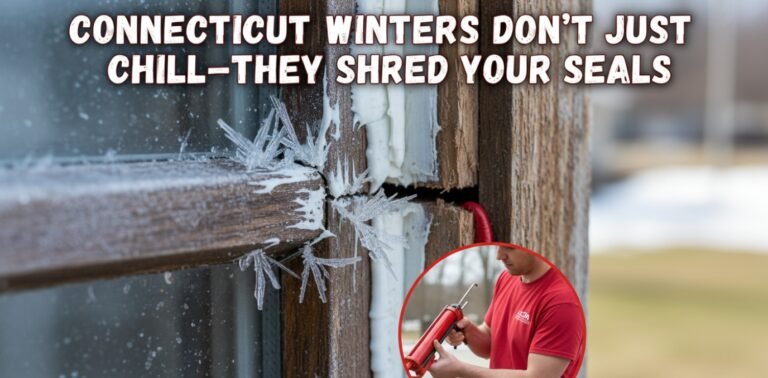
- Moisture enters tiny gaps under shingles or flashing
- Temperatures drop below freezing
- Water expands as it turns to ice
- Materials shift, lift, or crack
- Ice melts — and the cycle repeats
This process doesn’t cause immediate leaks. Instead, it:
- Loosens fasteners
- Weakens sealants
- Separates shingle edges
- Compromises flashing
By the time leaks appear, the damage has often been building for years.
Snow Load and Ice Dams Add Structural Stress
Snow isn’t just a surface issue.
Heavy snow accumulation adds weight to the roof structure, especially on:
- Older homes
- Roofs with low slope
- Areas with uneven insulation
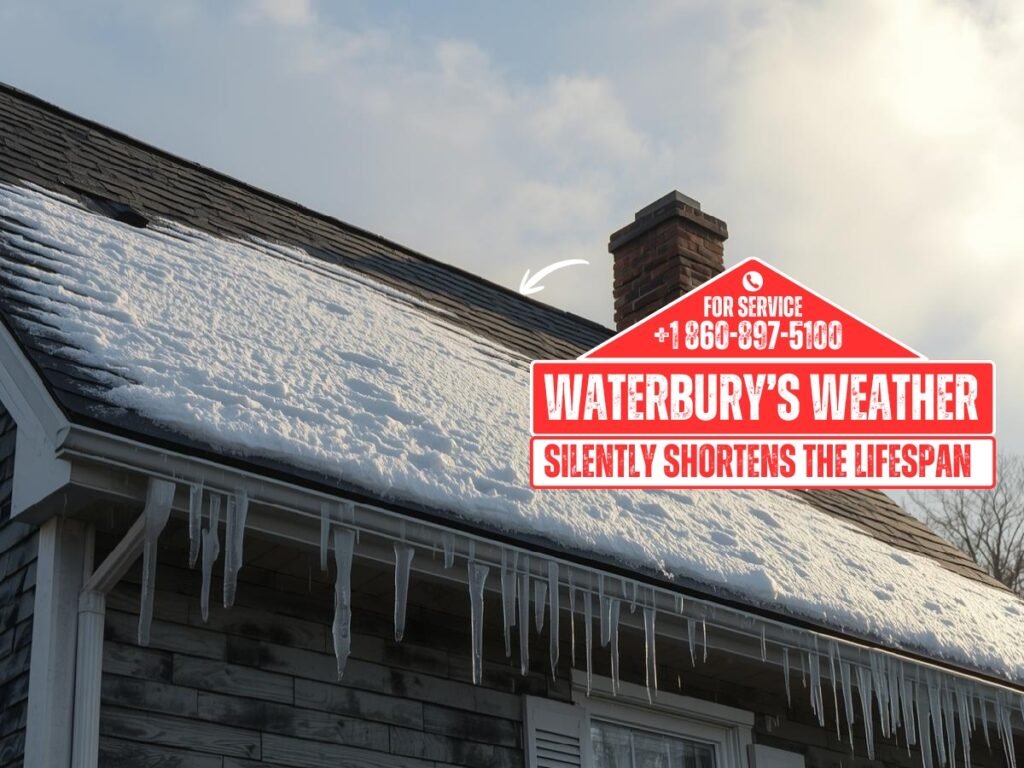
As snow melts and refreezes at roof edges, ice dams form. These trap water and force it backward under shingles — directly into vulnerable areas.
Even a well-installed roof can suffer premature aging if ice dam prevention wasn’t addressed during installation.
Summer Heat Breaks Down Roofing Materials Faster Than Expected
Many homeowners associate roof damage with winter — but summer heat is just as destructive.
During hot Waterbury summers:
- Asphalt shingles soften
- Sealants dry out faster
- UV exposure weakens materials
Then, as temperatures drop at night, materials contract.
This daily expansion and contraction causes:
- Granule loss
- Brittle shingles
- Cracking around fasteners
Over time, the roof loses flexibility — making it more vulnerable to future weather events.
Wind-Driven Rain Finds the Weakest Point
Rain in Waterbury often comes with strong, shifting winds.
Unlike straight-down rainfall, wind-driven rain:
- Forces water sideways and upward
- Tests flashing joints
- Exploits minor installation gaps
Areas most affected include:
- Roof valleys
- Chimney flashing
- Skylights
- Roof-to-wall intersections
These are not material failures — they are stress points where weather repeatedly tests the installation.
Humidity Creates Moisture Problems From Below
Roof damage doesn’t always start on top.
High humidity levels can cause:
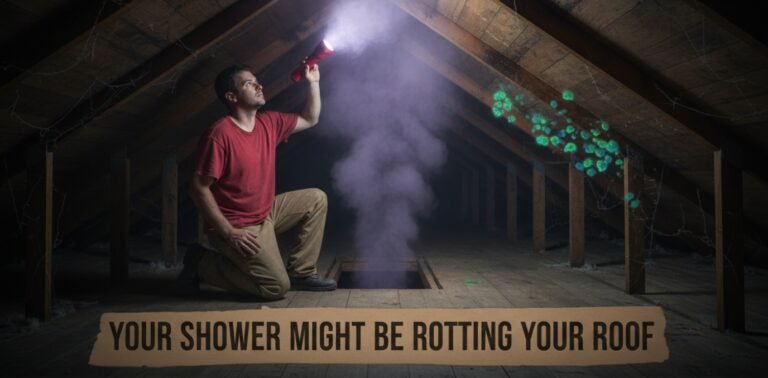
- Condensation in attic spaces
- Damp roof decking
- Mold growth
When moisture comes from below, it weakens the roof structure silently.
Without proper ventilation, even new roofs can deteriorate faster than expected — regardless of shingle quality.
Why “Standard” Roof Installations Struggle in Waterbury
Many roofing installations follow manufacturer guidelines — but guidelines are not climate-specific solutions.
In Waterbury, roofs often need:
- Enhanced underlayment
- Ice & water shield beyond minimums
- Upgraded flashing systems
- Proper attic ventilation planning
Skipping these steps doesn’t cause immediate failure — it shortens lifespan quietly.
This is where local experience matters.
At LCM Services LLC, roofing installation is planned around Waterbury’s weather realities, not just product manuals.
How Weather-Related Wear Shows Up Over Time
Weather damage rarely appears as one dramatic failure.
Instead, homeowners notice:
- Slight shingle lifting
- Granules collecting in gutters
- Small ceiling stains
- Drafts near upper floors
These are symptoms of cumulative stress — not isolated defects.
Ignoring them allows damage to spread beneath the surface.
Common Weather Stress Points on Waterbury Roofs
| Roof Area | Weather Impact |
| Shingle edges | Freeze–thaw lifting |
| Valleys | Ice dam water backup |
| Flashing | Wind-driven rain intrusion |
| Roof decking | Moisture & condensation |
| Attic space | Humidity buildup |
Each of these areas must work together for the roof to last as intended.
Why New Roofs Sometimes Age Like Old Ones
Homeowners are often surprised when a “new” roof starts showing issues within 5–8 years.
This usually happens when:
- Weather-specific protections were minimized
- Ventilation wasn’t upgraded
- Ice dam prevention was ignored
- Installation focused only on surface appearance
The roof may be new — but the conditions around it weren’t corrected.
Planning a Roof Installation With Weather in Mind
A longer-lasting roof in Waterbury starts with planning, not just materials.
Smart installation planning includes:
- Evaluating attic ventilation
- Addressing insulation gaps
- Installing enhanced moisture barriers
- Designing drainage paths for snowmelt
These steps don’t always show visually — but they define how long the roof performs.
Post-Installation Maintenance Matters More Here
Waterbury weather makes maintenance more important, not less.
Homeowners should:
- Inspect roofs after major storms
- Clear gutters before winter
- Address small issues immediately
Small adjustments early prevent weather-related wear from accelerating.
Why Local Experience Changes Outcomes
Roofing isn’t just construction — it’s environmental engineering.
Local professionals understand:
- Where ice dams form first
- How wind patterns affect roof faces
- Which materials perform best locally
- How older homes respond to new systems
This is why homeowners working with LCM Services LLC benefit from solutions tailored to Waterbury’s real conditions — not generic assumptions.
The Cost of Ignoring Weather Effects
When weather-related wear is ignored:
- Repairs become more invasive
- Leaks spread behind walls
- Structural damage increases
- Replacement happens sooner than expected
A roof that should last decades may fail early — not because it was “bad,” but because it wasn’t designed for its environment.
Final Thoughts
Waterbury’s weather doesn’t destroy roofs overnight.
It works patiently — expanding, freezing, melting, drying, and pushing — until small weaknesses become major problems.
Understanding this reality allows homeowners to:
- Plan smarter installations
- Ask better questions
- Protect their investment long-term
A roof built for Waterbury doesn’t just survive the weather — it’s designed around it.
FAQs
Yes. Repeated freeze–thaw cycles and moisture exposure can accelerate wear even on new installations.
In many cases, yes — proper insulation, ventilation, and ice barriers reduce risk significantly.
Absolutely. Poor ventilation traps moisture and heat, weakening roofing materials from below.
Yes. Winter causes the most cumulative stress on roofing systems.
Very. Local knowledge helps anticipate weather-related risks unique to Waterbury homes.