
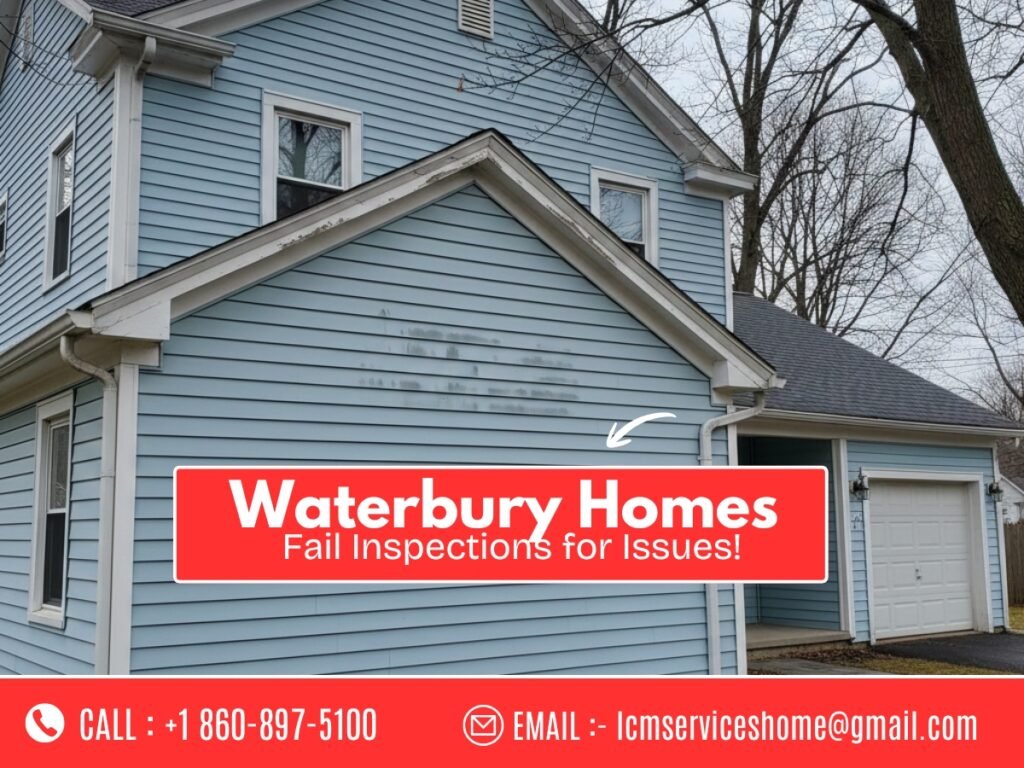
Many Waterbury homes fail inspections not because of obvious damage, but due to hidden exterior and structural issues that develop quietly over time—often behind walls, under siding, along roof edges, or beneath gutters. Homeowners rarely notice these problems because they don’t affect daily living until an inspection forces a closer look.
In older Waterbury neighborhoods especially, small exterior failures can exist for years before triggering a failed inspection.
Why Inspection Failures Surprise Waterbury Homeowners
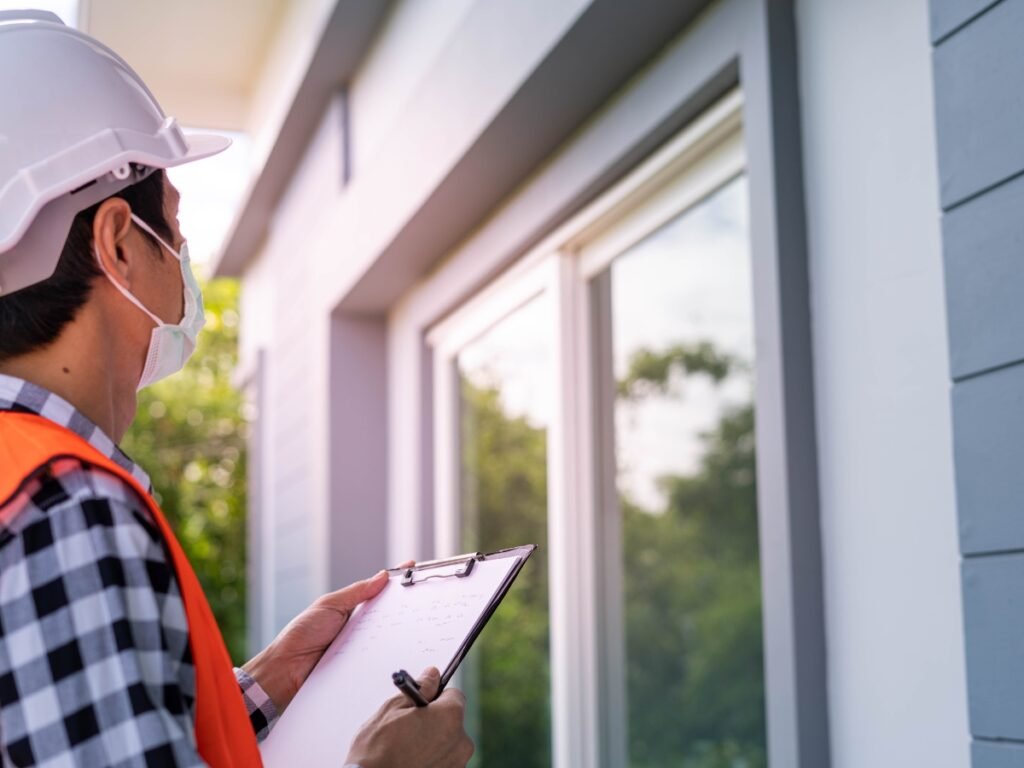
One of the most common reactions we hear at LCM Services LLC is:
“I had no idea anything was wrong.”
That’s because inspections don’t focus on comfort or appearance. Inspectors are trained to identify risk, future failure, and code-related concerns—many of which remain invisible during normal living.
Waterbury homes are particularly vulnerable due to:
- Older construction methods
- Layered renovations over decades
- Moisture-heavy seasonal cycles
- Tree coverage and shading
- Mixed materials on exteriors
What Home Inspectors Look for That Homeowners Don’t
Homeowners look for:
- Leaks
- Cracks
- Drafts
- Visible damage
Inspectors look for:
- Moisture pathways
- Structural movement
- Improper transitions
- Failed seals
- Aging materials near end of lifespan
These are two very different perspectives.
Common Hidden Issues That Cause Inspection Failures
1. Moisture Intrusion Without Visible Leaks
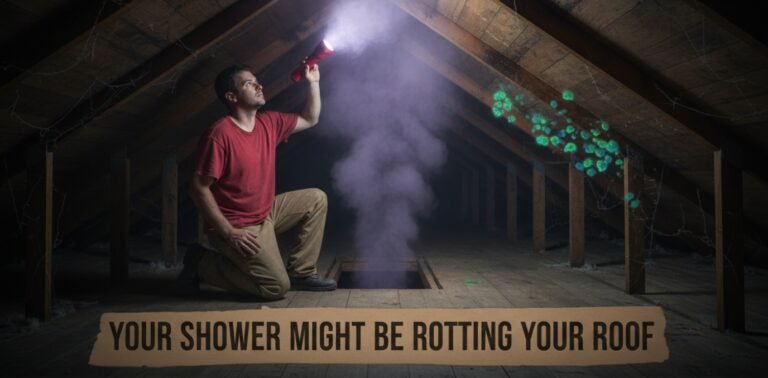
Water often enters walls without dripping into living spaces. Inspectors detect this through:
- Staining patterns
- Soft materials
- Improper drainage paths
- Elevated moisture readings
In Waterbury homes, this commonly occurs behind siding, around windows, and at roof edges.
2. Improper or Aged Exterior Flashing
Flashing failures are one of the top inspection red flags.
Issues include:
- Missing flashing
- Incorrect overlaps
- Corroded metal
- DIY-installed replacements
Even if no active leak exists, inspectors flag these as future failure risks.
3. Siding and Panel Attachment Failures
Loose or improperly fastened panels:
- Allow wind-driven rain inside walls
- Create pressure points
- Indicate aging sheathing
This is extremely common in older Waterbury homes with partial siding replacements.
4. Roof Edge and Fascia Deterioration
Roof edges fail long before shingles look bad.
Inspectors notice:
- Soft fascia boards
- Improper drip edge installation
- Gutter pull-away
- Water staining beneath eaves
Homeowners rarely look up closely enough to catch this.
Why Older Waterbury Homes Are Flagged More Often
Waterbury has a large inventory of homes built before modern building standards. Many have:
- Non-continuous moisture barriers
- Older framing lumber
- Mixed exterior systems
- Multiple generations of repairs
Inspectors recognize these patterns immediately.
“It’s Been Fine for Years” — Why That Argument Fails
Inspection standards are forward-looking, not backward.
Just because a problem hasn’t caused damage yet doesn’t mean it won’t.
Inspectors ask:
- Will this fail soon?
- Does this meet current safety expectations?
- Is moisture actively degrading materials?
That’s why long-standing issues suddenly matter.
Interior Symptoms That Inspectors Connect to Exterior Failures
Homeowners often miss the connection between subtle interior signs and exterior problems.
Inspectors notice:
- Minor drywall cracking near windows
- Slight floor unevenness
- Cold wall sections
- Paint bubbling
- Musty odors
These clues often point to hidden exterior issues.
The Role of Waterbury’s Climate in Inspection Failures
Freeze–Thaw Damage
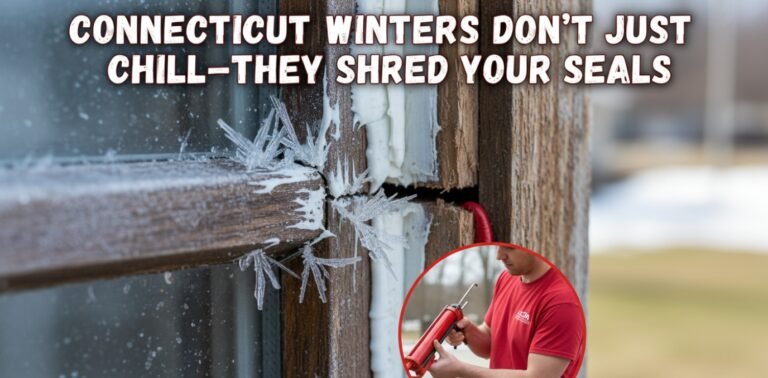
Moisture enters tiny gaps, freezes, expands, and worsens the issue every winter.
Wind-Driven Rain
Sideways rain defeats gravity-based drainage systems.
Heavy Tree Coverage
Shade prevents drying, accelerating rot and material breakdown.
These conditions make Waterbury homes age faster than they appear.
Common DIY Repairs That Fail Inspections
At LCM Services LLC, we frequently see inspection failures caused by well-meaning DIY fixes.
Examples include:
- Caulking over rot
- Reattaching loose siding without addressing moisture
- Painting damaged trim instead of replacing it
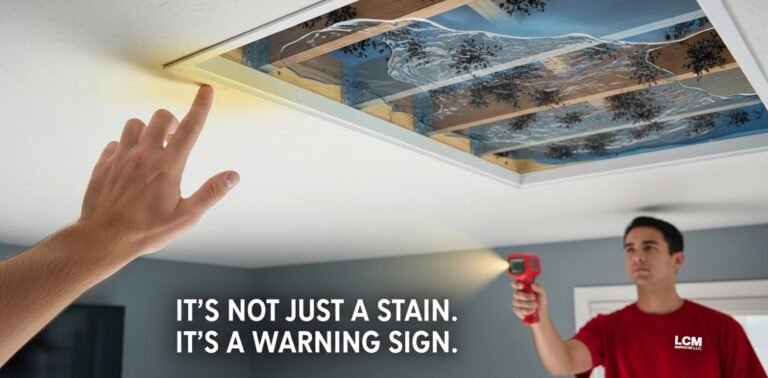
- Covering stains without fixing the source
Inspectors recognize these immediately.
Why Inspectors Flag “No Immediate Hazard” Issues
Even when inspectors note:
“No active leak observed”
They still flag:
- Improper installation
- Aging materials
- Code-related concerns
Because these issues affect:
- Insurance eligibility
- Mortgage approval
- Negotiation leverage
Cost Impact of Late Discovery
| Issue Type | Pre-Inspection Repair | Post-Failure Repair |
| Flashing repair | Low | Moderate |
| Siding correction | Low–Moderate | High |
| Insulation replacement | Moderate | High |
| Structural repair | N/A | Very High |
Inspection-triggered repairs are almost always more expensive.
How to Reduce Inspection Risks Before Listing or Buying
Proactive Exterior Evaluation
Have your exterior checked before inspections.
Address Minor Issues Early
Small repairs prevent major findings.
Avoid Cosmetic-Only Fixes
Inspectors value structural integrity over appearance.
When to Call a Professional in Waterbury, CT
You should call a professional if:
- You’re preparing for a home inspection
- You’re buying an older Waterbury home
- Previous inspections raised concerns
- Repairs were done years ago without documentation
LCM Services LLC specializes in identifying the issues inspectors flag most often.
Why Choose LCM Services LLC in Waterbury
We understand:
- Local housing patterns
- Inspection standards
- Waterbury-specific failure points
- Long-term repair solutions
Our approach focuses on:
- Root-cause analysis
- Honest assessments
- Durable repairs
- Inspection-ready solutions
We fix what inspectors actually care about.
Final Thoughts
Waterbury homes don’t fail inspections because homeowners are careless—they fail because the most serious problems are the hardest to see. Moisture intrusion, exterior system failures, and aging materials develop quietly until an inspection brings them to light.
The best way to avoid surprises is to address issues before they become inspection findings.
FAQs
Because many failures involve hidden exterior and moisture-related issues.
Yes, due to aging materials and outdated construction methods.
They look for signs that indicate hidden problems.
No, inspectors focus on structural and moisture risks.
Yes, most inspection failures start outside the home.