

Most homeowners notice small exterior cracks and think:
“It’s just cosmetic.”
“I’ll seal it later.”
“It hasn’t leaked yet.”
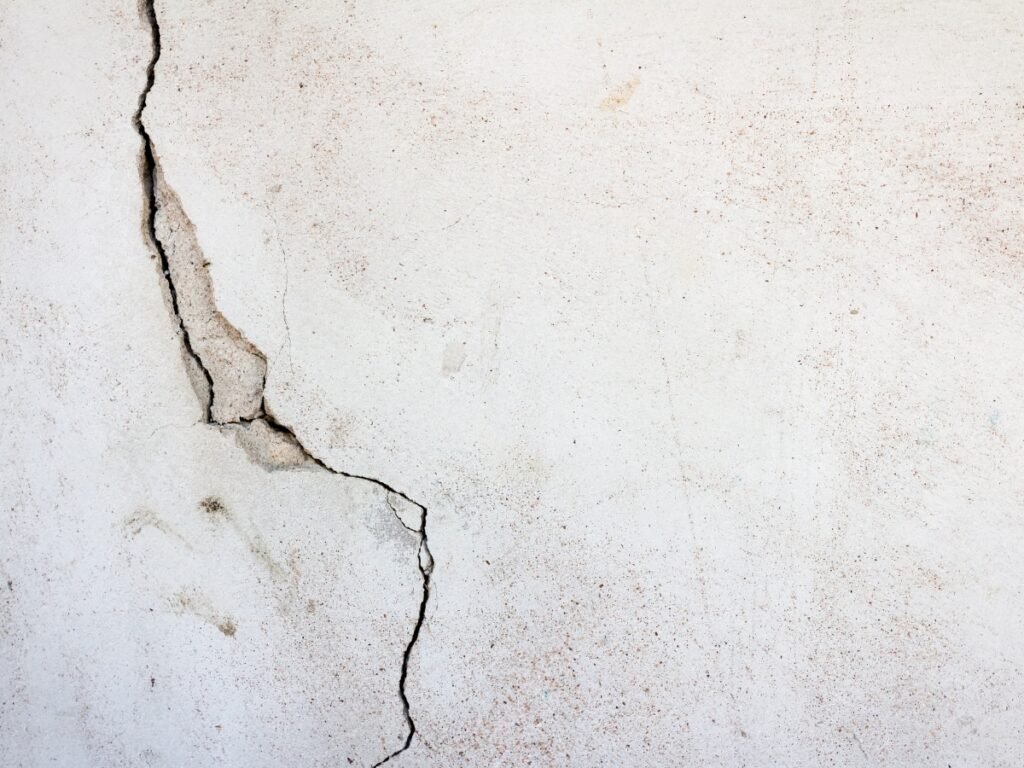
At LCM Services LLC, we’ve seen how these tiny cracks—often no wider than a pencil tip—turn into major interior repairs months or years later.
In Waterbury’s climate, exterior cracks are not static. They expand, absorb moisture, and transmit damage inward. This blog explains why small exterior cracks matter so much, how damage spreads behind walls, what warning signs to watch for, and how early action can save thousands.
What Counts as a “Small Exterior Crack”?
Small exterior cracks include:
- Hairline cracks in siding
- Caulk gaps around windows or doors
- Cracks in trim boards
- Small separations in masonry
- Minor foundation surface cracks
Individually, they seem harmless—but collectively, they create continuous entry points.
Why Waterbury Homes Are Especially Vulnerable
Waterbury homes face:
- Freeze–thaw cycles
- Heavy seasonal rain
- Snow melt against walls
- Older construction materials
- Settling foundations
Neighborhoods like Atwood Ave, Town Plot, Oakville, and the East End often have older siding, wood trim, and original sealants that crack more easily.
How Exterior Cracks Actually Form
Cracks form due to:
- Seasonal expansion and contraction
- Foundation settling
- Moisture absorption and drying
- UV exposure breaking down caulk
- Improper installation
Cracking is normal—but leaving cracks unaddressed is not.
How Moisture Enters Through Tiny Cracks
Water doesn’t need a wide opening.
It moves by:
- Capillary action (wicking)
- Wind-driven rain
- Ice expansion
- Gravity over time
Once moisture enters, it rarely escapes easily.
Step-by-Step: How Exterior Cracks Become Interior Damage
- Crack forms on exterior surface
- Rain or snow melt enters
- Moisture reaches wall cavity
- Insulation absorbs water
- Wood framing stays damp
- Mold or rot begins
- Drywall or plaster deteriorates
🧠 The damage spreads inward and downward, often unseen.
Why Damage Rarely Appears Near the Crack
One of the most confusing aspects is that:
- The interior damage doesn’t line up with the exterior crack
- Water travels along framing
- Gravity pulls moisture downward
This is why interior stains often appear feet away from the actual crack.
Common Places Exterior Cracks Cause Interior Damage
Around Windows & Doors
Small gaps allow:
- Rain intrusion
- Condensation
- Drafts that carry moisture
Interior signs include peeling paint and soft drywall.
Siding Seams & Joints
Siding overlaps can hide:
- Broken seals
- Nail holes
- Expansion gaps
Water slips behind siding unnoticed.
Exterior Trim Boards
Wood trim absorbs moisture quickly.
Cracked trim often leads to:
- Wall rot
- Insect damage
- Interior moisture stains
Foundation & Basement Walls
Hairline foundation cracks can allow:
- Ground moisture
- Hydrostatic pressure intrusion
This leads to damp basements—even without flooding.
Why Waterbury’s Climate Makes Cracks Worse
Waterbury experiences:
- Rapid temperature swings
- Freeze–thaw expansion
- Prolonged damp seasons
Moisture freezes inside cracks, expanding them slightly each cycle. Over years, small cracks become major access points.
Interior Problems Caused by Exterior Cracks
1. Drywall Damage
Moist drywall:
- Warps
- Softens
- Crumbles
- Stains
2. Mold Growth
Hidden moisture creates ideal conditions for mold—often behind walls before it’s visible.
3. Insulation Failure
Wet insulation:
- Loses R-value
- Holds moisture
- Promotes rot
4. Structural Wood Rot
Framing can rot silently, weakening wall integrity.
Real Local Example
A homeowner near Town Plot noticed bubbling paint in a bedroom.
Inspection by LCM Services LLC revealed:
- Small exterior trim crack near a window
- Water intrusion into wall cavity
- Rotted sheathing and insulation
The exterior crack was tiny—but interior repairs were extensive.
Why DIY Seal Jobs Often Fail
Homeowners often:
❌ Use the wrong caulk
❌ Seal over wet surfaces
❌ Ignore underlying rot
❌ Skip surface prep
Temporary seals trap moisture inside walls, making damage worse.
How Professionals Evaluate Crack Damage
At LCM Services LLC, proper evaluation includes:
- Exterior crack mapping
- Moisture detection
- Material condition checks
- Interior wall inspection
- Drainage assessment
We look beyond the surface.
Prevention Tips for Waterbury Homeowners
✔ Inspect Regularly
- Walk exterior walls seasonally
- Check after heavy rain
- Inspect shaded sides
✔ Maintain Sealants
- Replace aging caulk
- Use exterior-rated materials
- Seal joints, not just cracks
✔ Control Water Flow
- Maintain gutters and downspouts
- Keep water away from walls
- Address grading issues
✔ Repair Early
Early crack repair prevents:
- Mold
- Rot
- Costly interior demolition
Early vs Late Repair
| Issue | Typical Cost |
| Crack sealing | Low |
| Trim repair | Low–Moderate |
| Wall cavity drying | Moderate |
| Drywall replacement | High |
| Structural repair | Very High |
Early action saves thousands.
Safety Warnings
⚠️ Moisture-damaged walls may hide mold
⚠️ Structural rot weakens framing
⚠️ DIY demolition can expose health hazards
Professional assessment is safest.
When to Call a Professional in Waterbury, CT
Call a professional if:
- Cracks reappear after sealing
- Interior paint bubbles or peels
- Walls feel soft or damp
- Musty odors persist
- Damage spreads over time
These indicate hidden moisture intrusion.
Why Choose LCM Services LLC in Waterbury, CT
At LCM Services LLC, we understand how small exterior problems turn into major interior repairs—especially in Waterbury’s climate.
What Sets Us Apart
✔ Local Waterbury experience
✔ Exterior-to-interior diagnostic approach
✔ Moisture-focused inspections
✔ Long-term repair solutions
✔ Honest, preventative guidance
We fix the cause—not just the symptom.
Areas We Serve
We proudly serve:
- Waterbury
- Atwood Ave
- Town Plot
- Oakville
- East End
- Surrounding Connecticut communities
Each area has unique construction challenges.
Final Thoughts
If you’ve noticed exterior cracks—don’t wait.
👉 Contact LCM Services LLC for a professional exterior inspection in Waterbury, CT.
Stopping small cracks today prevents big repairs tomorrow.
FAQs
Yes, moisture enters and spreads inside walls.
No, damage often stays hidden for months.
Yes, due to aging materials and construction.
Yes, if underlying damage isn’t addressed.
At least twice per year.