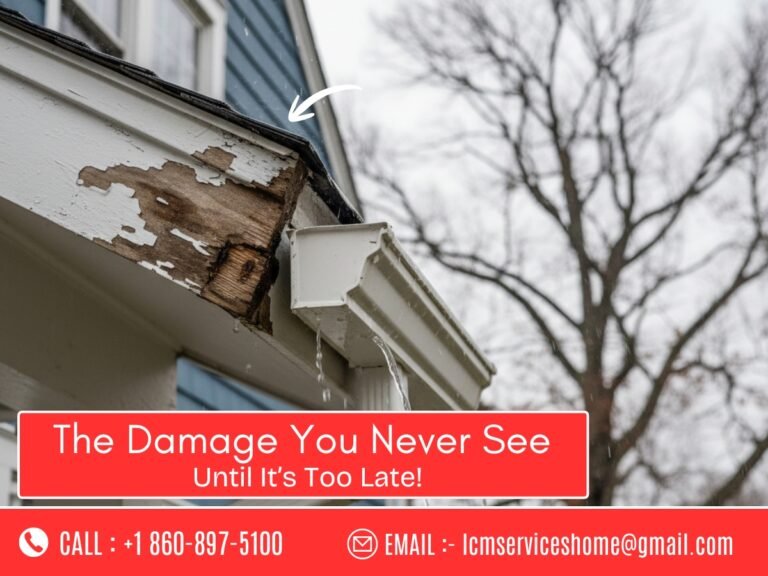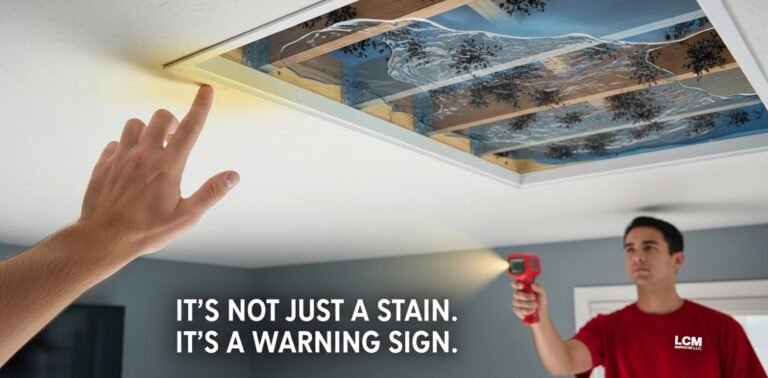


In Waterbury homes, a single loose exterior panel can allow water, air, pests, and pressure changes to enter the structure, triggering a chain reaction that damages insulation, framing, siding systems, interior walls, and even foundations. Because many of these failures start behind the surface, homeowners often don’t realize the problem until repairs become extensive and costly.
This issue is especially common in older Waterbury neighborhoods where mixed construction materials, seasonal weather swings, and aging fasteners create hidden weak points along exterior walls.
Why This Problem Is So Common in Waterbury, CT
Waterbury’s housing stock includes many homes built decades ago, often renovated in phases rather than fully updated at once. This creates layered exterior systems—old sheathing, newer siding, patched trim, and mixed fasteners—all of which respond differently to moisture and movement.
Key local factors include:
- Freeze–thaw cycles that loosen fasteners
- Heavy rain driven sideways by wind
- Tree coverage creating uneven moisture exposure
- Older framing that shifts over time
- Partial siding replacements after storms
In these conditions, one compromised panel is enough to start a cascading failure.
What Counts as an “Exterior Panel”?
Many homeowners think only of vinyl siding, but exterior panels include multiple components:
- Vinyl siding panels
- Fiber cement boards
- Aluminum siding
- Wood clapboards
- Composite panels
- Trim boards and corner posts
A failure in any one of these components can compromise the entire exterior envelope.
How a Loose Panel Starts the Chain Reaction
Step 1: Wind Pressure Exploits the Gap
Once a panel loosens, wind forces its way behind the siding system. In Waterbury storms, pressure changes can lift, flex, or vibrate surrounding panels.
This movement:
- Widens seams
- Breaks locking edges
- Pulls fasteners out of aging sheathing
Step 2: Water Intrusion Follows the Air Path
Water always follows air movement. Rain driven behind one panel doesn’t stay localized—it travels sideways and downward.
Water can reach:
- House wrap seams
- Window flashing
- Wall cavities
- Rim joists
This is why leaks often appear far from the original problem area.
Hidden Damage That Develops Behind the Walls
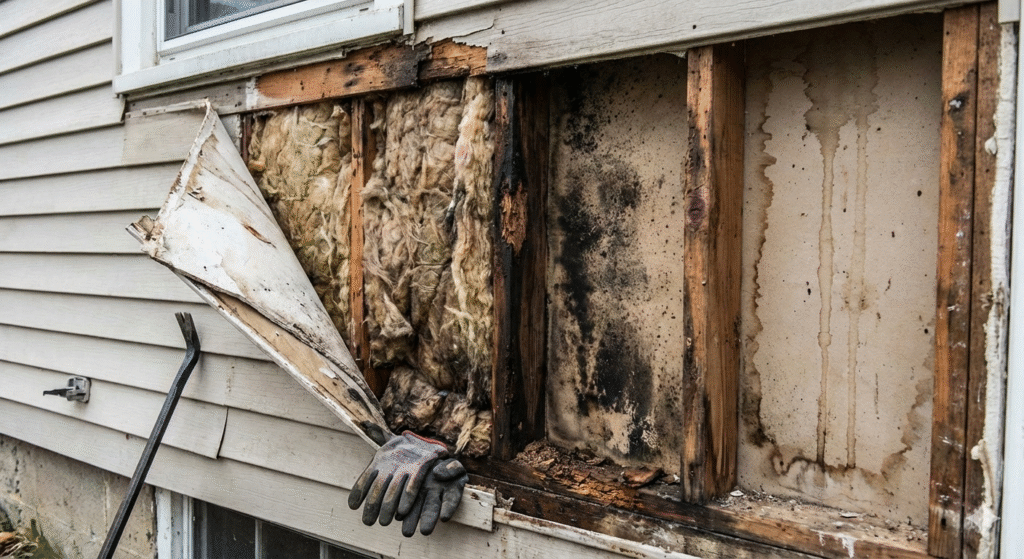
Wet Insulation = Lost Protection
Once insulation absorbs moisture:
- It compresses
- Loses R-value
- Traps humidity
In Waterbury’s climate, wet insulation rarely dries fully, creating long-term damp conditions.
Framing Begins to Deteriorate
Moisture against framing causes:
- Wood swelling
- Nail movement
- Early rot
- Structural softening
This damage often remains invisible for years.
Why the Damage Spreads Instead of Staying Localized
Water Travels Along Framing
Studs, plates, and headers act like channels, carrying moisture horizontally and vertically. A loose panel on the second floor can cause damage in a first-floor wall—or even the basement.
Gravity Does the Rest
Water always moves downward, soaking:
- Window headers
- Door frames
- Floor plates
- Foundation transitions
Interior Symptoms Homeowners Don’t Connect to Siding Problems
Many Waterbury homeowners call professionals for interior issues without realizing the exterior cause.
Common signs include:
- Bubbling paint
- Peeling wallpaper
- Musty smells
- Cold wall sections
- Staining near baseboards
- Soft drywall
By the time these symptoms appear, the exterior issue has usually existed for years.
Why Patch Repairs Often Make Things Worse
A common mistake we see at LCM Services LLC is homeowners reattaching a loose panel without addressing what caused it.
Patch-only repairs fail because they ignore:
- Moisture behind the panel
- Damaged sheathing
- Improper flashing
- Broken locking edges
- Compromised fasteners
This creates a false sense of security while damage continues unseen.
The Role of Waterbury’s Weather Patterns
Freeze–Thaw Expansion
Moisture that enters behind siding freezes, expands, and pushes panels farther out of alignment.
Spring Wind-Driven Rain
Spring storms force rain upward and sideways, defeating gravity-based drainage systems.
Summer Heat Expansion
Panels expand unevenly, stressing already weakened attachment points.
Each season compounds the problem.
How One Loose Panel Can Affect Other Systems
Windows and Doors
Water intrusion can rot window framing, causing:
- Drafts
- Sticking windows
- Failed seals
Electrical Systems
Moisture near exterior walls can affect:
- Outlet boxes
- Wiring insulation
- Breaker performance
Foundation and Sill Plates
Water migrating downward can:
- Soak sill plates
- Damage rim joists
- Increase basement humidity
What Starts Small Gets Expensive
| Issue | Early Repair Cost | Late Repair Cost |
| Loose panel repair | Low | N/A |
| Local sheathing fix | Moderate | High |
| Insulation replacement | Moderate | High |
| Interior wall repair | N/A | High |
| Structural repair | N/A | Very High |
Early detection saves thousands.
Prevention Tips for Waterbury Homeowners
- Inspect siding after storms
- Look for panels that flex in wind
- Watch for uneven siding lines
- Check caulking and trim yearly
- Address minor movement immediately
Avoid waiting for visible interior damage.
When to Call a Professional in Waterbury, CT
Call a professional if:
- A panel won’t stay secured
- You see repeated movement in the same area
- Interior symptoms appear near exterior walls
- Previous repairs failed
At LCM Services LLC, we don’t just reattach panels—we identify the root cause behind the failure.
Why Choose LCM Services LLC for Exterior Repairs in Waterbury
Waterbury homes require localized expertise. We understand:
- Older construction methods
- Mixed material exteriors
- Local moisture patterns
- Common failure points by neighborhood
Our approach focuses on:
- Full exterior system assessment
- Moisture pathway identification
- Long-term repair solutions
- Honest recommendations
We fix the problem—not just the symptom.
Final Thoughts
One loose exterior panel may seem harmless, but in Waterbury homes, it often triggers a chain reaction affecting insulation, framing, interiors, and foundations. The damage spreads quietly, following air and water pathways that homeowners rarely see.
Addressing exterior issues early is the most cost-effective way to protect your home’s structure, comfort, and value.
FAQs
Yes, it allows wind-driven rain to enter wall systems and spread.
Water travels along framing before becoming visible.
Very common due to aging materials and mixed renovations.
Temporary fixes often trap moisture and worsen damage.
Years, until interior symptoms appear.