
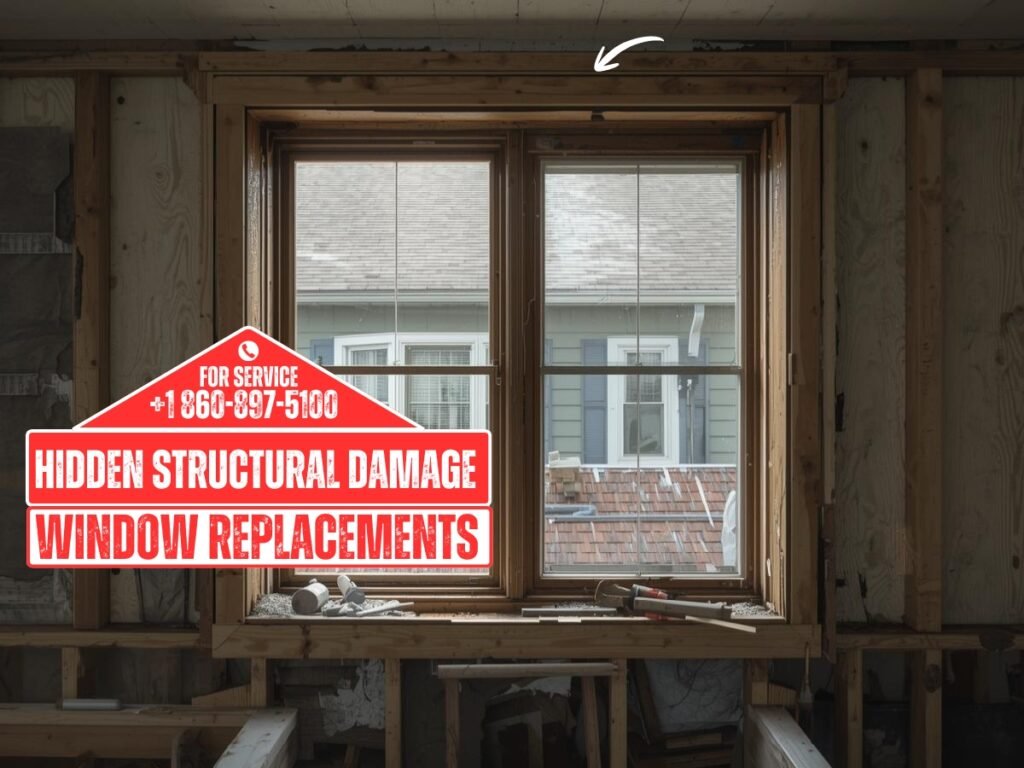
Most homeowners in Waterbury decide to replace their windows for familiar reasons:
• Drafts
• High energy bills
• Difficult-to-open frames
• Condensation or fogging
But once the old windows come out, the real story of the home often begins.
At LCM Services LLC, we’ve seen this many times: what looked like a simple window replacement turns into the discovery of hidden structural damage that has been developing quietly for years — sometimes decades.
These issues are not visible from inside the home. They are concealed behind trim, siding, insulation, and drywall. And until a window is removed, they stay hidden.
Understanding what window replacement can reveal helps Waterbury homeowners plan better, avoid surprises, and protect their home’s structure long-term.
Why Window Openings Are Vulnerable Areas
Windows interrupt the wall system. Anytime you cut a hole in a wall, you create a point where:
- Water can enter
- Air can leak
- Materials can weaken
- Structural components can be stressed
Over time, even small installation flaws or aging materials can turn window openings into one of the most vulnerable parts of the home’s exterior.
Waterbury’s Climate Adds Stress
Homes in Waterbury experience:
- Snow and ice accumulation
- Heavy rainfall
- Freeze–thaw cycles
- Humid summers
- Cold, dry winters
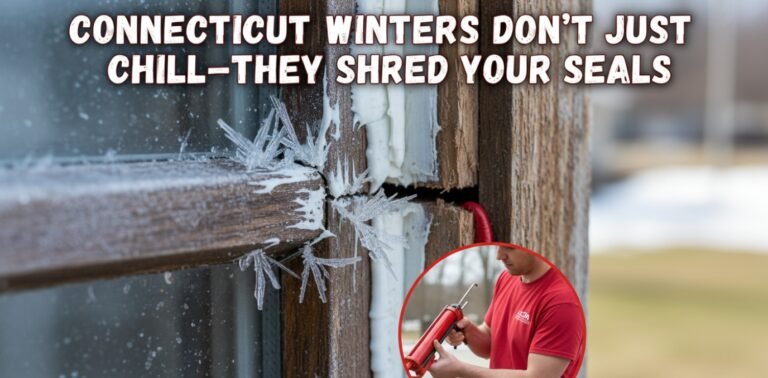
These cycles cause expansion and contraction of building materials. Over years, that movement can break seals, crack caulking, and open tiny pathways for moisture to enter wall cavities.
Moisture doesn’t always create immediate damage — it can sit quietly inside the structure, slowly weakening materials.
Damage #1: Rotted Window Framing
One of the most common discoveries during window replacement is wood rot in the framing.
How It Happens
Water sneaks in through:
- Failed caulking
- Old flashing
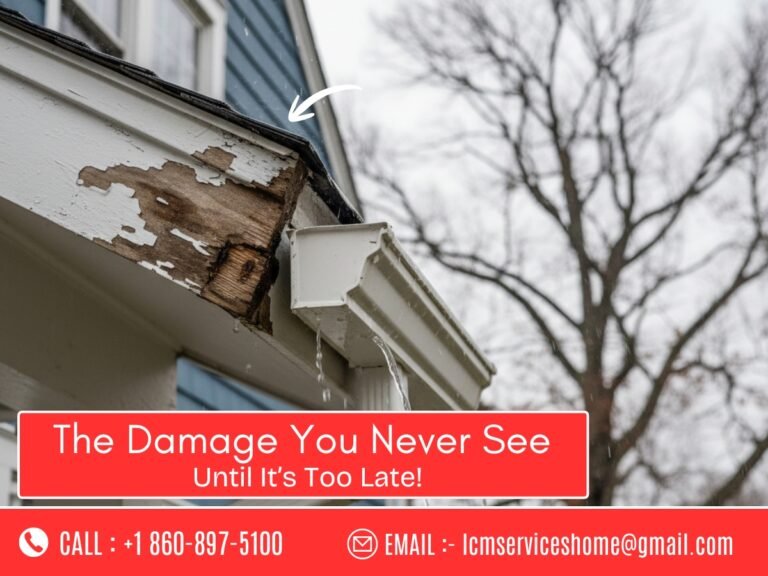
- Cracked trim
- Worn siding joints
It then gets trapped between the window frame and wall structure.
Wood stays damp. Fungi develop. Structural strength decreases.
Signs It Was Happening (But Hidden)
- Peeling paint
- Soft exterior trim
- Musty smells
- Slight wall discoloration
By the time rot is visible, damage inside the wall is often advanced.
Damage #2: Deteriorated Sill Plates
The bottom portion of the window opening — the sill — takes the most water exposure.
Improper slope, missing flashing, or aging materials can allow water to sit there. Over years, the sill plate can weaken.
A compromised sill affects:
- Window stability
- Wall strength
- Water drainage
Left unaddressed, it can lead to sagging or structural shifting.
Damage #3: Mold Growth Inside Wall Cavities
Moisture + darkness + organic materials = mold growth.
Older Waterbury homes often lack modern vapor barriers or air barriers, allowing humid air to enter wall cavities.
When windows are removed, hidden mold may be found on:
- Sheathing
- Framing
- Insulation
This doesn’t always create strong odors, so homeowners may not know it’s there.
Damage #4: Insulation Failure
Older insulation behind windows often:
- Settles
- Gets compressed
- Absorbs moisture
- Becomes ineffective
Wet or deteriorated insulation cannot regulate temperature properly. It also keeps nearby wood damp, contributing to rot.
Damage #5: Structural Shifting Around Openings
Over decades, houses settle. Window openings may:
- Shift out of square
- Develop gaps
- Stress surrounding framing
When new windows are installed into shifted openings without correction, performance issues follow.
Professional replacement means correcting structural irregularities before installing the new unit.
Damage #6: Improper Past Installations
Sometimes hidden damage isn’t from age — it’s from poor past workmanship.
We often find:
- Missing flashing
- Gaps filled with only foam
- No water barrier
- Windows installed directly against raw framing
These shortcuts may hold for years before causing hidden water damage.
Why Homeowners Don’t See These Problems
Most of this damage occurs:
✔ Behind drywall
✔ Under siding
✔ Beneath trim
✔ Inside framing cavities
By design, homes hide their structure. The exterior may look fine while internal materials deteriorate slowly.
Window replacement is one of the few projects that exposes these concealed areas.
The Cost Surprise Factor
When damage is discovered, homeowners sometimes feel blindsided.
But in reality, window replacement didn’t cause the issue — it simply revealed a problem that already existed.
Fixing it during replacement prevents:
- Larger structural repairs later
- Water intrusion
- Mold spread
- Decreased home value
Why Ignoring It Isn’t an Option
Installing new windows over damaged framing is risky.
It can lead to:
- Air leaks
- Water leaks
- Reduced window lifespan
- Structural weakening
Proper repair ensures the window has a stable, dry, and secure base.
The Professional Difference
At LCM Services LLC, window replacement in Waterbury homes includes:
- Inspecting framing
- Checking moisture damage
- Evaluating insulation
- Confirming structural stability
This approach protects the home, not just the window.
How Repairs Improve Long-Term Performance
Addressing hidden damage results in:
✔ Better energy efficiency
✔ Improved structural integrity
✔ Longer window lifespan
✔ Reduced moisture problems
✔ Higher property value
A window is only as strong as the structure around it.
Why Older Waterbury Homes Are More Affected
Homes built decades ago often lack:
- Modern flashing methods
- Advanced weather barriers
- Proper ventilation systems
Years of exposure without these protections increase the chance of hidden deterioration.
Warning Signs Before Replacement
While not always visible, some clues suggest hidden issues:
| Symptom | Possible Cause |
| Soft trim | Wood rot |
| Bubbling paint | Moisture intrusion |
| Musty smell | Mold inside walls |
| Uneven window operation | Frame shifting |
| Drafts near frames | Structural gaps |
These signs indicate deeper investigation is wise.
The Goal Isn’t Just New Windows
True window replacement success means:
A structurally sound opening + proper installation + modern window technology
Skipping the structural part leads to future problems.
Final Thoughts
Window replacement is more than a cosmetic upgrade.
In many Waterbury homes, it becomes an opportunity to uncover and correct years of hidden damage that would otherwise continue weakening the structure.
Discovering issues during replacement may feel like a setback — but it’s actually protection for the home’s future.
With proper evaluation and repair, new windows perform as intended and the structure around them is stronger than before.
FAQs
Yes, especially in older homes with long-term moisture exposure.
Not necessarily, but structural issues should be corrected promptly.
Yes. Professionals can replace or reinforce compromised areas.
It can, but fixing problems early prevents much bigger expenses later.
It’s usually concealed inside wall cavities and behind trim.