One of the most dangerous assumptions Waterbury homeowners make is:
“The deck looks fine, so it must be safe.”
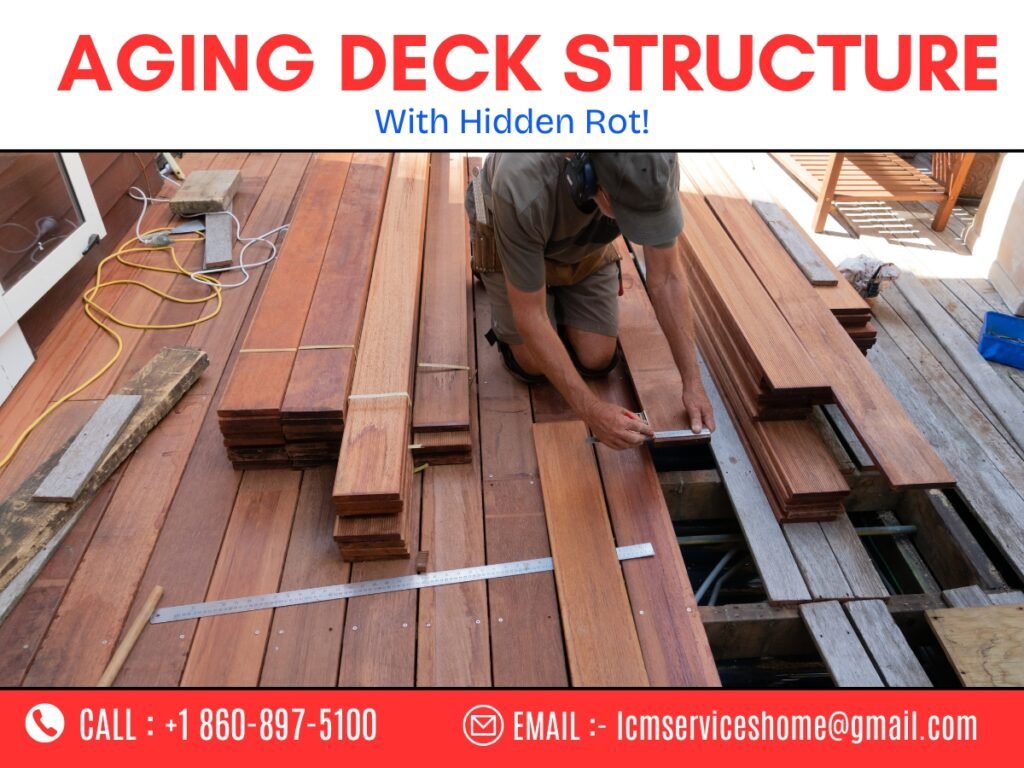
In reality, many deck failures in Waterbury happen without obvious surface warning signs. As local contractors, we routinely inspect decks that appear solid but are already compromised underneath—sometimes dangerously so.
Between Connecticut’s weather, older home construction, and moisture-heavy environments, decks in Waterbury often age faster than homeowners expect, even with regular use and basic maintenance.
This guide explains why decks deteriorate early, how Waterbury conditions accelerate aging, and what homeowners can do to protect their investment—and their family’s safety.
What “Deck Aging” Really Means
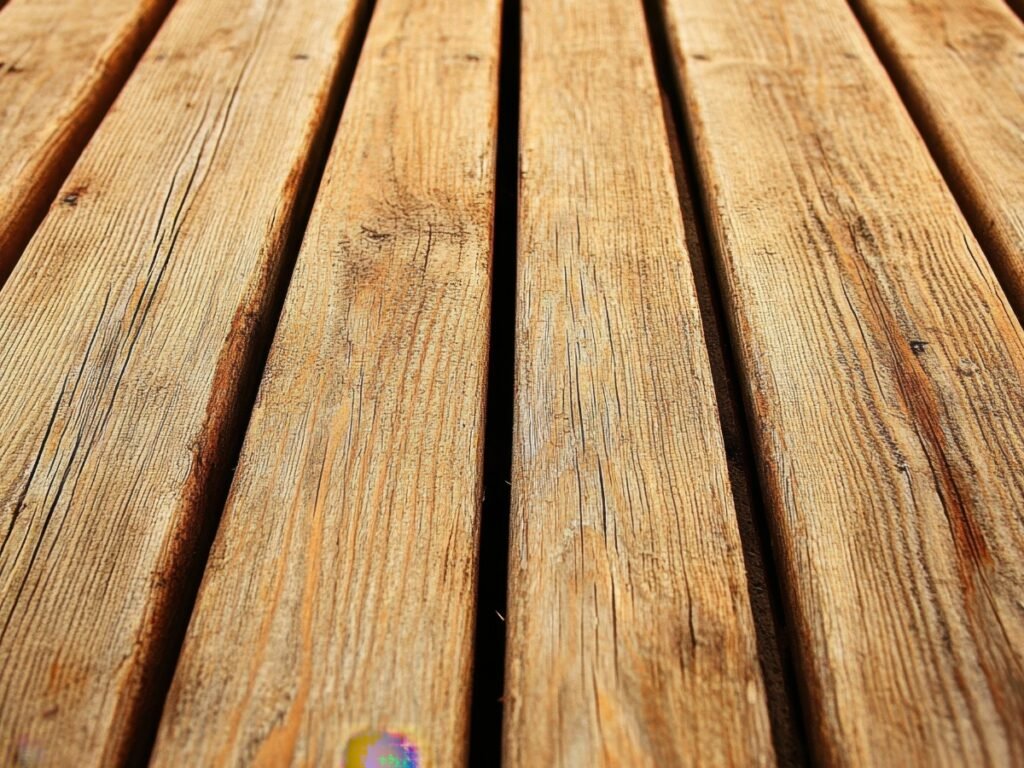
Deck aging isn’t just about faded boards or peeling stain.
True deck aging includes:
- Internal wood rot
- Loose or corroded fasteners
- Failing ledger boards
- Soft structural posts
- Hidden moisture damage
⚠️ Many of these issues are invisible from the surface.
Why Waterbury Decks Age Faster Than Expected
1. Constant Moisture Exposure (The #1 Cause)
Waterbury experiences:
- Heavy rain
- Snow accumulation
- Slow spring drying
- High humidity
Decks absorb moisture through:
- Board gaps
- Fastener holes
- End grain exposure
Once moisture enters, rot begins from the inside out.
💡 Pressure-treated wood delays rot—but does not prevent it.
2. Freeze–Thaw Cycles Break Deck Materials Down
Waterbury’s temperature swings are especially damaging.
Here’s what happens:
- Water enters wood fibers
- Temperatures drop
- Water freezes and expands
- Fibers crack internally
- Structural strength weakens
This process repeats dozens of times each winter.
3. Shade Prevents Proper Drying
Many Waterbury decks sit:
- Behind older homes
- Under mature trees
- Near neighboring structures
Shaded decks:
- Stay damp longer
- Develop mold and mildew
- Rot faster underneath
Even decks that look clean on top may be deteriorating below.
4. Older Deck Construction Methods
Many decks in Waterbury were built:
- 15–30+ years ago
- Before current building codes
- Without proper flashing
Common issues include:
- Ledger boards nailed instead of bolted
- No moisture barrier between deck and house
- Undersized support posts
These decks age faster—and fail more dangerously.
5. Poor Drainage Around Deck Footings
Standing water near deck posts leads to:
- Soil erosion
- Post rot at ground contact
- Shifting footings
This causes decks to:
- Sag
- Pull away from the house
- Become unstable over time
Real Example from a Waterbury Deck Inspection
A homeowner near Atwood Ave requested a deck staining quote.
During inspection, we found:
- Solid-looking boards
- Severe rot at ledger board
- Rusted fasteners
- Soft support beam
🚨 The deck looked fine—but was unsafe to use.
Early detection prevented potential injury.
Why Deck Damage Is Often Missed
Homeowners usually inspect:
- The walking surface
- The railing
- The appearance
But critical damage happens below, including:
- Joists
- Beams
- Posts
- Fasteners
These areas are rarely checked without professional inspection.
How Deck Aging Happens Step-by-Step
- Moisture enters wood
- Drying is delayed by shade
- Freeze–thaw cycles expand damage
- Fasteners corrode
- Structural connections weaken
- Deck becomes unsafe
🧠 Aging is gradual—until it suddenly isn’t.
Maintenance vs Structural Repair
| Issue | Cost Impact |
| Deck inspection | Low |
| Cleaning & sealing | Low |
| Board replacement | Moderate |
| Structural reinforcement | Higher |
| Full deck rebuild | Highest |
💰 Preventative maintenance is far cheaper than replacement.
Why Waterbury Decks Age Faster Than Nearby Areas (GEO Section)
Oakville & Watertown
- Slightly better drainage
- Less shade in newer developments
Wolcott
- Higher elevation
- More wind drying decks
Cheshire & Middlebury
- Newer deck construction
- Better building practices
Waterbury’s older homes + dense neighborhoods create harsher deck conditions.
Common Homeowner Mistakes
❌ Only staining for appearance
❌ Ignoring underneath structure
❌ Skipping inspections
❌ Using indoor fasteners outdoors
❌ Assuming pressure-treated wood won’t rot
These mistakes shorten deck lifespan dramatically.
Warning Signs Your Deck Is Aging (Even If It Looks Fine)
⚠️ Slight bounce when walking
⚠️ Rust stains near fasteners
⚠️ Soft spots near posts
⚠️ Gaps widening between boards
⚠️ Deck pulling away from house
These signs mean structural evaluation is needed.
Prevention Tips to Extend Deck Life
✔ 8 Professional Recommendations
- Inspect deck annually
- Check ledger board connection
- Ensure proper drainage
- Seal wood every 2–3 years
- Replace corroded fasteners
- Improve airflow under deck
- Remove debris buildup
- Address small issues immediately
Small actions = longer deck life.
Safety Warning for Waterbury Homeowners
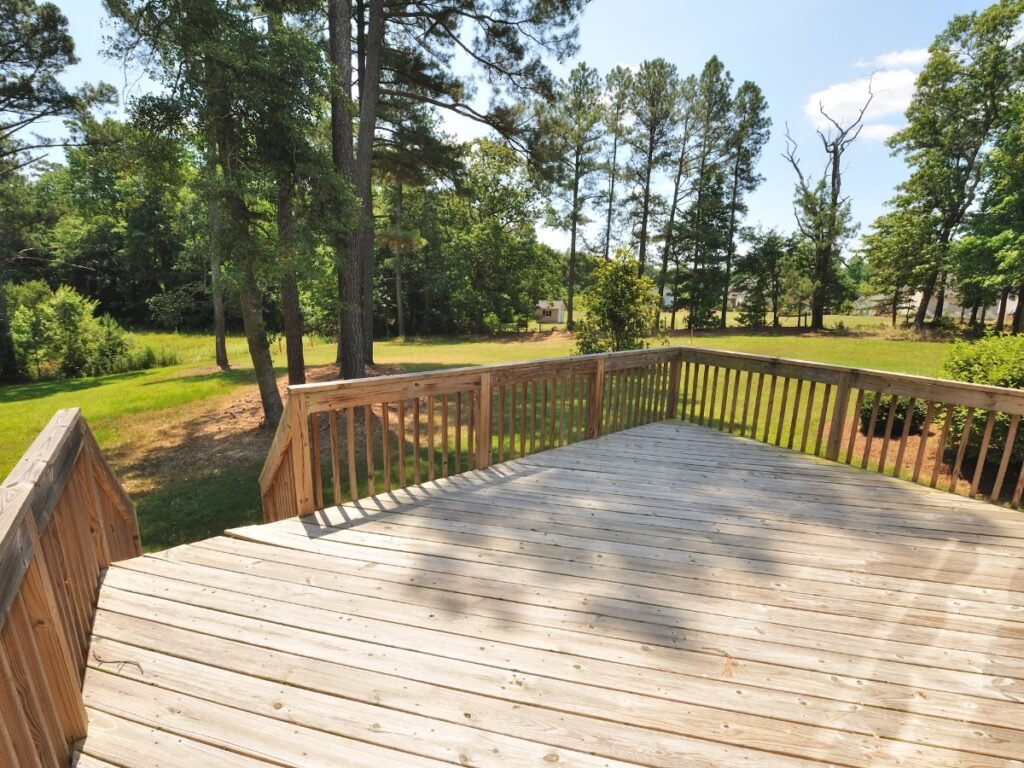
⚠️ Deck collapses can happen suddenly
⚠️ Children and guests are most at risk
⚠️ DIY repairs may hide deeper issues
Safety should always come before appearance.
When to Call a Professional in Waterbury, CT
Call a professional if:
- Deck is over 10–15 years old
- You notice movement or sagging
- Posts contact soil directly
- You plan to host gatherings
- You’re selling your home
Professional inspections prevent accidents.
Why Choose Us for Deck Services in Waterbury, CT
At LCM Services LLC, we specialize in Waterbury deck conditions.
What Sets Us Apart
✔ Local experience
✔ Structural safety focus
✔ Honest assessments
✔ Repair-first mindset
✔ Code-compliant solutions
We don’t just make decks look good—we make them safe and durable.
Strong Call to Action
If your deck is in Waterbury, CT, don’t trust appearance alone.
👉 Contact LCM Services LLC today for a professional deck inspection and restoration plan before hidden damage becomes a safety risk.
FAQs
Moisture, freeze–thaw cycles, shade, and older construction methods.
Yes, most damage occurs underneath.
At least once per year.
It helps but does not eliminate moisture damage.
Yes, many lack modern safety standards.