
At first glance, many older windows in Waterbury homes don’t look like an emergency. The glass is still intact. The frames haven’t collapsed. The windows still open—most of the time. To homeowners, that often feels “good enough.”
But behind the glass, inside the frames, and around the seams, something else is happening—quietly, gradually, and far faster than most homeowners expect.
In Waterbury’s climate, old windows don’t just age. They accelerate toward failure.
Homeowners are often shocked when a routine inspection suddenly turns into a full window replacement recommendation. The question they ask is almost always the same:
“How did they go bad so fast?”
The answer lies in how Waterbury’s homes were built, how the climate has changed, and how modern living stresses old materials beyond what they were designed to handle.
The Hidden Timeline of Window Failure in Waterbury Homes
Most homeowners assume windows fail slowly and predictably—after 30 or 40 years, maybe longer. But in Waterbury, many older windows begin structurally failing long before they look broken.
Why?
Because failure doesn’t start with shattered glass or obvious rot. It starts invisibly.
- Seal deterioration
- Moisture intrusion
- Frame expansion and contraction
- Microscopic air gaps
- Insulation breakdown
Once these processes begin, windows don’t age linearly—they compound damage year after year.
By the time symptoms become obvious, the window is often already past the point of repair.
Waterbury’s Climate Is Tougher on Windows Than Homeowners Realize
Waterbury sits in a climate zone that is especially hard on older window systems.
Freeze–Thaw Cycles Do Silent Damage
Each winter, moisture seeps into tiny cracks in old window frames. When temperatures drop, that moisture freezes and expands. When it warms, it contracts again.
This constant freeze–thaw movement:
- Widens cracks
- Weakens joints
- Breaks down caulking
- Separates frames from surrounding walls
Older windows—especially wood and early aluminum models—were never engineered for decades of this repeated stress.
Summer Humidity Accelerates Rot and Seal Failure
Summer doesn’t give windows a break. High humidity pushes moisture deep into frames and sills, especially in shaded areas where water doesn’t evaporate quickly.
That moisture:
- Softens wood fibers
- Encourages mold growth
- Weakens glazing seals
- Traps condensation between panes
By fall, the damage is already done—long before winter returns.
Older Windows Were Built for a Different Era of Homes
Many Waterbury homes were built at a time when:
- Energy costs were low
- Homes were less tightly sealed
- Insulation standards were minimal
- HVAC systems worked harder to compensate
Older windows relied on the house “breathing” to manage moisture and temperature differences. Modern living has changed that.
Today’s Homes Trap Stress Around Old Windows
Modern upgrades—like insulation improvements, new siding, or tighter doors—often make old windows fail faster, not slower.
Why?
Because when airflow is reduced, moisture and pressure concentrate at the weakest point: the window.
Old windows become:
- Condensation magnets
- Pressure release points
- Moisture entry zones
What once took 40 years to fail can now take half that time.
The Illusion of “Still Working” Windows
One of the biggest misconceptions homeowners have is equating movement with performance.
A window that opens and closes is not necessarily functioning properly.
Old windows can still:
- Slide
- Lock
- Look intact
While simultaneously:
- Leaking air
- Absorbing moisture
- Allowing thermal transfer
- Weakening surrounding framing
By the time homeowners feel drafts or see condensation, the damage has usually been happening for years.
Seal Failure: The Beginning of the End
For double-pane windows, seal failure is often the first irreversible step toward replacement.
Once the seal fails:
- Insulating gas escapes
- Moisture enters between panes
- Fogging becomes permanent
- Energy efficiency drops sharply
In Waterbury’s temperature swings, seal failure happens far earlier than many expect—especially in windows installed 20–25 years ago.
And once seals fail, repairs rarely last.
Window Frames Age Faster Than the Glass
Glass is often the most durable part of an old window. Frames, however, take the real beating.
Wood Frames
- Absorb moisture
- Swell and warp
- Rot from the inside out
- Lose structural integrity
Aluminum Frames
- Conduct cold and heat aggressively
- Cause condensation buildup
- Corrode over time
- Loosen at connection points
Early Vinyl Frames
- Become brittle
- Warp under temperature stress
- Lose corner strength
In many Waterbury homes, the frame fails long before homeowners notice anything wrong with the glass.
Energy Loss Is the Damage You Can’t See—Until Bills Rise
Old windows quietly bleed energy.
Homeowners often blame:
- Rising utility rates
- Aging HVAC systems
- Poor insulation
But failing windows can account for up to 30% of a home’s energy loss.
Drafts don’t always feel dramatic. Sometimes it’s just:
- Rooms that never feel comfortable
- HVAC systems that run longer
- Bills that creep higher every season
By the time homeowners connect the dots, they’ve already paid thousands more than they needed to.
Moisture Damage Spreads Beyond the Window Itself
One of the most dangerous aspects of window failure is that damage rarely stays contained.
Moisture entering through old windows can:
- Rot wall framing
- Damage drywall and insulation
- Cause paint bubbling and staining
- Encourage mold growth
What starts as a window issue can quietly turn into a wall, insulation, or even structural repair.
This is why professionals like LCM Services LLC often find hidden damage during window replacement projects—damage homeowners never suspected existed.
Why DIY Fixes Often Make Things Worse
Many homeowners try to extend the life of old windows with:
- Extra caulking
- Plastic window film
- Temporary weather stripping
- Patch repairs
While these fixes may help briefly, they often trap moisture and accelerate internal decay.
Instead of slowing failure, they delay detection—allowing damage to spread unnoticed.
Why Replacement Is Often Cheaper Than Waiting
Homeowners hesitate to replace windows because it feels like a large investment. But delaying replacement often increases total costs by:
- Raising energy bills year after year
- Expanding moisture damage
- Increasing labor complexity later
- Requiring wall or framing repairs
In many cases, replacing windows earlier prevents secondary repairs that cost more than the windows themselves.
The Professional Difference in Waterbury Homes
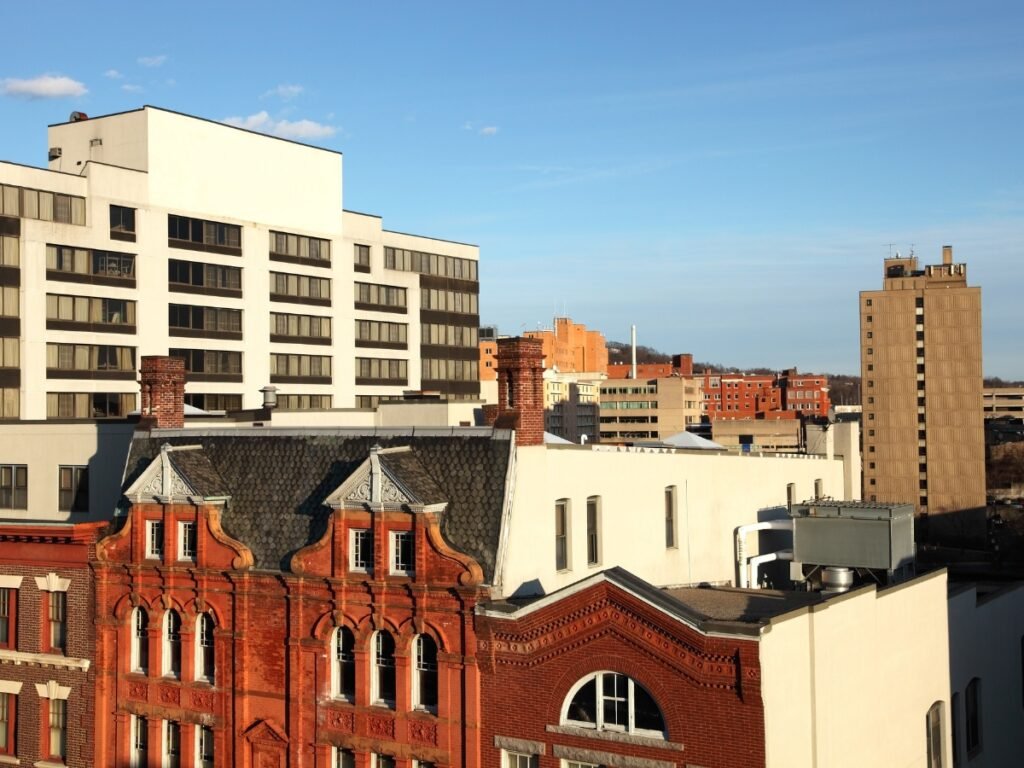
Window replacement isn’t just about installing new units—it’s about understanding how Waterbury homes behave.
Professionals like LCM Services LLC evaluate:
- Moisture pathways
- Frame condition
- Wall integration
- Insulation performance
That experience matters—especially in older homes where one overlooked issue can shorten the life of new windows.
Final Thoughts
Most Waterbury homeowners don’t miss the moment their windows start failing because it doesn’t announce itself.
There’s no loud break.
No obvious collapse.
Just slow, invisible damage—until it becomes expensive.
Recognizing the signs early doesn’t just protect your comfort. It protects the structure of your home and your long-term investment.
FAQs
In Waterbury’s climate, many older windows begin failing between 20–30 years, especially if they’re original to the home or poorly maintained.
Not always, but persistent drafts often indicate seal failure, frame warping, or insulation breakdown, which usually means replacement is the best long-term solution.
Yes. Failing windows are a major source of hidden moisture intrusion, which can lead to mold, rot, and wall damage over time.
Minor repairs may help temporarily, but once seals or frames fail, repairs rarely last. Replacement is often more cost-effective long term.
Signs include rising energy bills, condensation between panes, difficulty maintaining indoor comfort, and subtle wall or trim changes around windows.