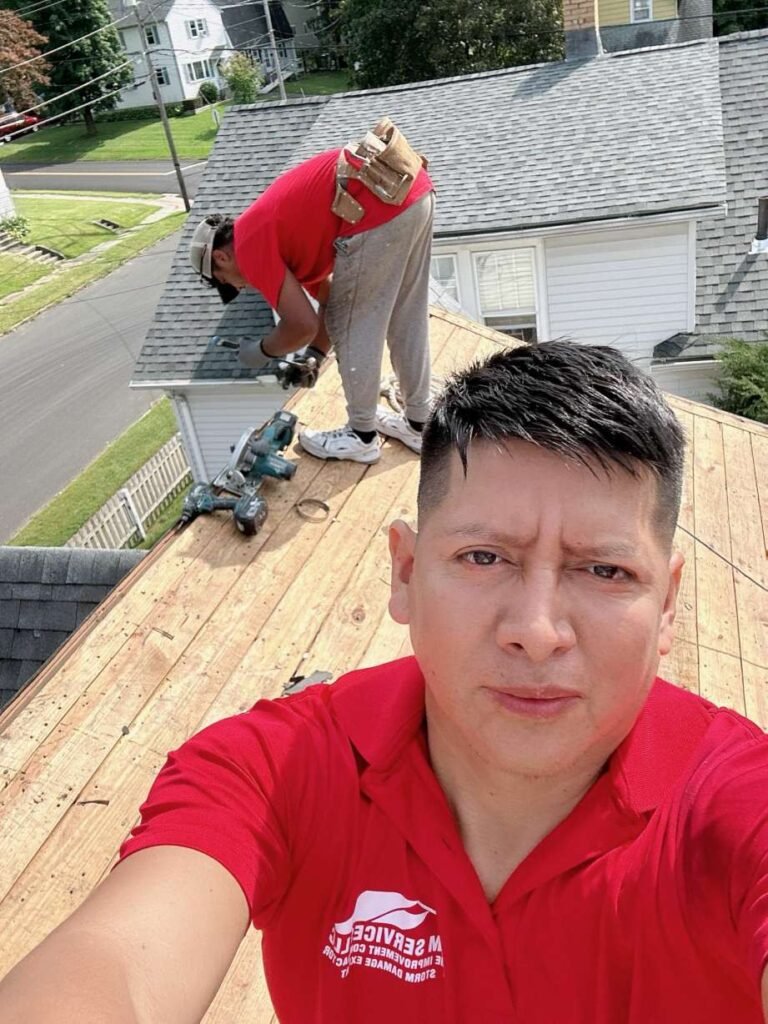


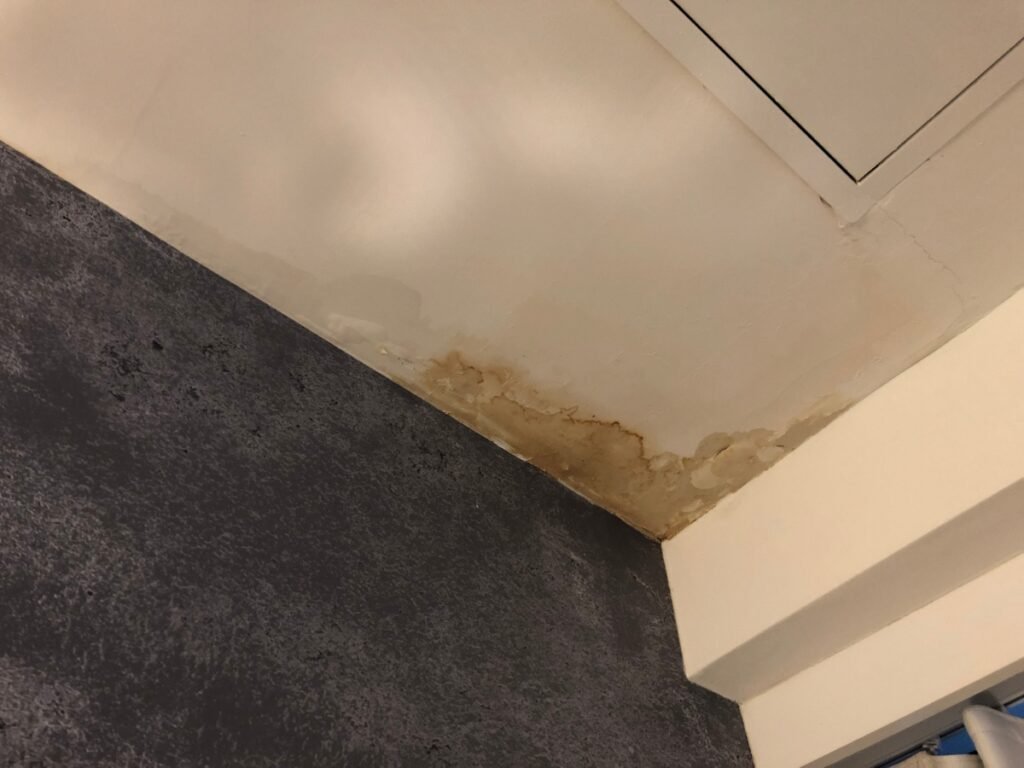
You notice a brown stain spreading across your ceiling. Maybe water drips near a window frame, or paint begins to bubble in one corner of the room. Naturally, most homeowners assume the leak must be directly above the visible damage.
But here’s the truth that surprises almost everyone:
Roof leaks almost never show up where the water actually enters the roof.
This misunderstanding is one of the biggest reasons roof damage becomes expensive. Water is sneaky. It travels, spreads, absorbs, evaporates, and reappears far from its original entry point. By the time you see it, the real problem may be several feet — or even rooms — away.
In this blog, we’ll break down why roof leaks behave this way, how water actually moves through a home, what signs homeowners often miss, and why professional roof leak detection (like the methods used by LCM Services LLC) is critical before damage multiplies.
How Water Really Moves Inside a Home
Water doesn’t fall straight down like a cartoon drip. Once it enters your roof system, it follows physics, gravity, materials, and airflow.
Water follows paths like:
- Roof decking seams
- Rafters and trusses
- Nail shafts and fasteners
- Insulation layers
- Vapor barriers
- Electrical wiring and plumbing lines
Instead of dripping immediately, water often travels horizontally, soaking materials quietly until it finds an opening — sometimes far from the source.
Think of it like this:
If you spill water on a countertop, it doesn’t fall straight down. It spreads until it finds an edge. Roof leaks work the same way — just slower and more destructive.
Why the Visible Leak Is Often a “False Location”
The spot where water finally becomes visible is usually just the exit point, not the entry.
Here’s why that happens:
| Entry Point | Travel Path | Visible Damage |
| Cracked flashing | Roof deck seam | Ceiling stain in hallway |
| Missing shingle | Rafter channel | Wall bubbling near window |
| Ice dam backup | Insulation saturation | Drip near light fixture |
| Nail penetration | Attic framing | Mold behind drywall |
By the time water reveals itself, it has already interacted with multiple building materials.
Common Roof Leak Entry Points Homeowners Miss
Most leaks don’t come from dramatic roof holes. They start in small, overlooked areas:
1. Flashing Failures
Flashing seals roof transitions — chimneys, skylights, vents, and valleys. When flashing corrodes or loosens, water slips in quietly.
2. Nail Pops & Fasteners
As roofs age, nails rise slightly due to temperature changes. Each exposed fastener becomes a tiny funnel for water.
3. Shingle Edge Damage
Wind-lifted or cracked shingles allow water underneath — not through the surface.
4. Roof Valleys
Valleys carry large volumes of water. Even minor debris buildup can redirect water under shingles.
5. Ice Dams (Cold Climates)
In colder regions, melting snow refreezes at roof edges, forcing water backward beneath roofing materials.
Why Attics Are the Hidden Highway for Leaks
Most roof leaks live in the attic long before they show indoors.
What happens in the attic:
- Water drips onto insulation
- Insulation absorbs moisture silently
- Wood framing slowly darkens and weakens
- Mold begins forming
- Eventually, water reaches drywall
By the time homeowners notice ceiling stains, the attic damage may already be extensive.
Professionals like LCM Services LLC always inspect attics because that’s where the real story of a leak usually exists.
Why Ceiling Stains Are Often the Last Warning
A ceiling stain isn’t an early sign — it’s a late-stage symptom.
Before stains appear, homeowners often overlook:
- Musty odors
- Slight temperature changes
- Increased humidity
- Minor paint peeling
- Dust clumping near vents
These subtle signs are your home’s quiet distress signals.
The Role of Insulation in Disguising Leaks
Insulation acts like a sponge.
Instead of dripping immediately, water:
- Spreads across insulation fibers
- Pools unnoticed
- Slowly releases moisture downward
This delay makes leaks harder to trace — and easier to underestimate.
Why DIY Leak Detection Often Fails
Many homeowners attempt:
- Spraying the roof with a hose
- Sealing visible shingles
- Patching ceiling damage
Unfortunately, this often:
- Misses the real entry point
- Traps moisture inside
- Creates future mold problems
Professional leak detection focuses on roof systems, not surface symptoms.
How Professionals Actually Track Roof Leaks
Experts like LCM Services LLC use a multi-step approach:
Professional Detection Methods:
✔️ Attic moisture mapping
✔️ Flashing inspection
✔️ Roof slope analysis
✔️ Fastener examination
✔️ Thermal & visual diagnostics
✔️ Water path tracing
This process identifies the origin, not just the evidence.
Why Leaks Appear After Rain — But Start Before
A common myth:
“The leak just started after that storm.”
Reality:
- The storm didn’t cause the leak
- It revealed an existing weakness
Roof systems fail gradually. Heavy rain simply exposes what was already compromised.
Hidden Damage That Spreads Before You See It
When leaks go undetected:
- Wood rot weakens framing
- Mold colonies expand
- Insulation loses efficiency
- Electrical hazards increase
- Repair costs multiply
What could’ve been a simple flashing repair turns into structural restoration.
Cost Comparison: Early Detection vs Delayed Repair
| Timing | Typical Outcome | Cost Impact |
| Early detection | Minor repair | Low |
| Moderate delay | Insulation + drywall | Medium |
| Long-term delay | Structural damage | High |
| Ignored leak | Mold remediation | Very High |
Early detection always wins.
Why Roof Leaks Feel Random (But Aren’t)
Leaks feel unpredictable because:
- Water changes direction
- Materials absorb at different rates
- Gravity shifts with roof slopes
But to trained professionals, leak patterns are logical — once you understand the system.
When to Call a Professional Immediately
Call for expert inspection if you notice:
- Recurring stains
- Multiple leak locations
- Musty smells
- Sudden energy bill increases
- Mold near ceilings or walls
LCM Services LLC specializes in identifying hidden leak paths before they become expensive nightmares.
Final Thoughts
The most important takeaway:
The spot where water shows up is rarely the problem — it’s the messenger.
Roof leaks are complex, deceptive, and quietly destructive. Understanding how water travels through your home empowers you to act early, smartly, and cost-effectively.
Professional roof leak detection isn’t about fixing what you see — it’s about protecting what you don’t.
FAQs
Water follows framing, insulation, and gravity paths before becoming visible.
Yes. Leaks often appear far from the actual entry point.
Most are, but plumbing and HVAC issues can mimic roof leaks.
No. Always locate and fix the roof source first.
At the first sign of recurring stains, moisture, or attic odor.